





Better performance starts with better meals. The equation seems simple enough. It makes sense that nourishing our bodies with healthy, nutritious ingredients will provide the energy needed to fuel muscle activity and physical propulsion. However, life has a way of making us forget just how important the right stuff is. As a result, many people reach for what’s fast instead of what’s optimal. Unfortunately, this can backfire pretty quickly if you’re living an athletic lifestyle. Here’s how poor sports nutrition can affect athletes:
Being reminded of how good nutrition supports athletic performance becomes very important once you consider what’s at stake. A good diet isn’t just going to set you up for success on the track or field today. It will insulate your body against injury and disease for the rest of your life. Take a look at what science reveals about plating up for life on the fast track.
Eating properly for sports nutrition really comes down to balance. What should your plate look like when you’re eating for power? Here’s a look at the essentials that athletes need to have in their diets based on a thorough analysis of sports nutrition for young athletes published in 2013:
Related Article: Beyond the Basics: Why Tracking Your Macros Matters
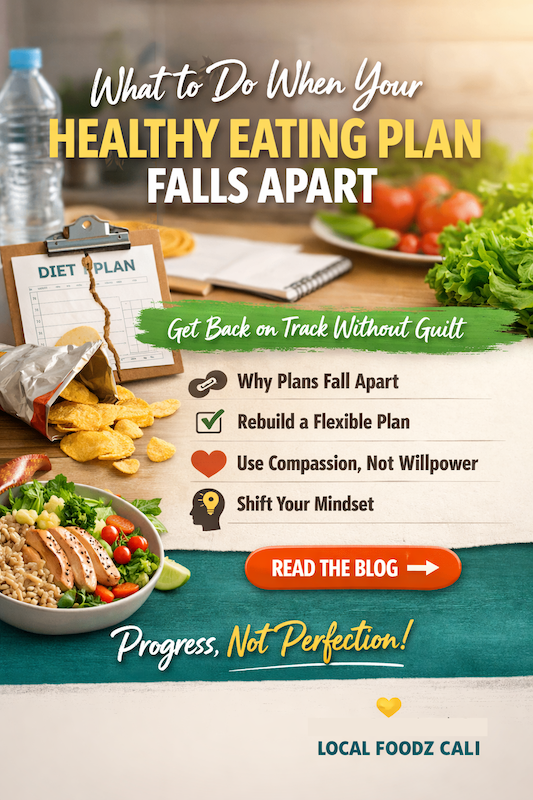
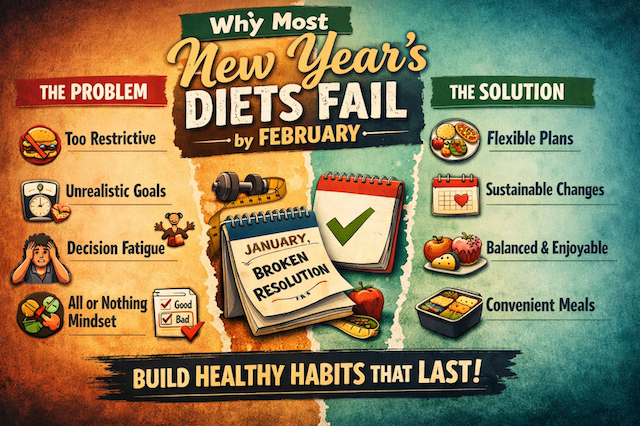
Deciding on portions is all about balance. When athletes attempt diets that are too restrictive, they rob their bodies of the essential nutrients and fuel needed to perform at their best levels. They also risk turning to foods that aren’t on the plan out of sheer desperation because they are depleted. Of course, the opposite is also true. There is actually such a thing as “too much of a good thing” when eating an athlete-friendly diet.
A good example of this is protein intake. While protein is pushed as the perfect fuel for athletes, the truth is that it’s very easy to eat too much protein. According to experts, most Americans are already eating twice as much protein as they need for proper muscle development. There isn’t as much of a concern about overloading on protein if you’re an active person. However, it’s still important to know about the dangers associated with extreme protein diets. Consuming more protein than you need can lead to:
There’s also a risk that you’re trying to replace carbohydrates with protein. The truth is that carbohydrates are necessary for athletes. The simple solution is to strive for a healthy balance instead of leaning on one food group as a way to try to cut out another food group. What does balance look like when you’re trying to get enough protein while also peppering in some good carbohydrates? Something like a hearty burrito bowl with Spanish rice, cherry tomatoes, shredded cucumbers, carrots, hummus, and tzatziki sauce on the side checks all the boxes. The same goes for chicken fajitas with sautéed chicken thigh seasoned with a blend of spices, bell peppers, and red onions with steamed rice on the side.

Healthy meals get results. However, even the most perfect meal plan in the world will go sideways if it’s not followed up by a great hydration strategy. Water is so crucial for athletes. In addition to keeping your body hydrated, water keeps the body at the right temperature. It’s very easy for athletes to lose water with just one workout. Just one grueling workout session can cause your body to lose several liters of sweat in just an hour!
How do you know if you’re fully hydrated? The simplest answer is that you’re producing clear urine. If you’re seeing anything else, it’s time to increase your water intake. Here are some tips for sticking to the all-important task of staying hydrated as an athletic person:
Water is always the preferred option for hydration. However, it’s important to remember that enjoying hydrating treats can be a great way to introduce extra hydration into your life. Something like fresh-pressed juice is a tasty way to get hydrated. A healthy smoothie that provides refreshing hydration with the added benefit of plant-based protein and natural carbohydrates can fulfill some of your liquid requirements while also providing pure fuel.
If you’re already busy, trying to squeeze in an athletic lifestyle can push you to the brink with managing your time. This is where many aspiring athletics types run into trouble. They get sick, hurt, or simply give up out of exhaustion because they don’t eat the right foods to fuel what they are trying to accomplish. Planning is everything.
When it comes to performance nutrition, timing is key. You need to have meals readily available during the strategic points during the day when you should be fueling up both as a form of repair and preparation. Generally, you should be eating about three hours before a big workout session or event to allow for good digestion. Rushing to eat whatever you can before a session sets you up for gastrointestinal distress during your activity.
While fat is vital for fueling up, it’s also important to know that high-fat meals should generally be avoided just before exercise because they can delay gastric emptying. That leads to you being slow, sluggish, and moody. Going on a long run in the morning? Breakfast is essential once you’re done. Having avocado toast or egg white frittata waiting for you after the finish line is the best way to ensure that you have the energy and stability to tackle the workday that comes after the workout.
Timing your meals is important. However, planning ahead to know exactly what you’ll be eating is even more important. It’s very hard to have reliable output when you don’t have reliable intake. That’s why serious athletes schedule a whole week of meals ahead of time. This lets you map out nutrient levels to ensure you’re getting the fuel you need based on your training days. Yes, meal prep is also essential for helping you steer clear of temptations that will make your workouts more challenging. We are all only human and thus susceptible to eating unhealthy foods when in a hurry or stressed. That’s why it’s crucial to have a good meal plan in place to ensure that indulging in goodies is a choice instead of a trap.

Managing anxiety starts with your diet. Here are some foods that reduce anxiety and foods to avoid with anxiety.

A healthy resting heart rate is correlated with a lower risk of certain physical health problems. Find out what a good resting heart rate is and how nutrition impacts your resting heart rate.

There are many different hormones found in the body, all with different roles and functions. Leptin and Ghrelin are the main hormones involved in…
When does your metabolism slow down? Metabolism and aging are closely related. Learn more about how metabolism changes with age.

Can exercise and regular physical activity help prevent Alzheimer’s disease? Research suggests that it can.

We’ve all had that moment of realizing that we’re mindlessly shoveling in another forkful of food. Some of us might not even realize that…

Let’s talk about feel-good foods! Many people associate “comfort foods” with the warm, fuzzy emotions that go along with eating warm, gooey and filling…
Stop Worrying About BMI Like many, you’ve probably strolled into the doctor’s office for a simple checkup and had a few measurements taken. One…

Does life feel like a stress factory? It turns out that the way to slow down stress is to rev up your gears. While…