
Archive

2025

Browsing

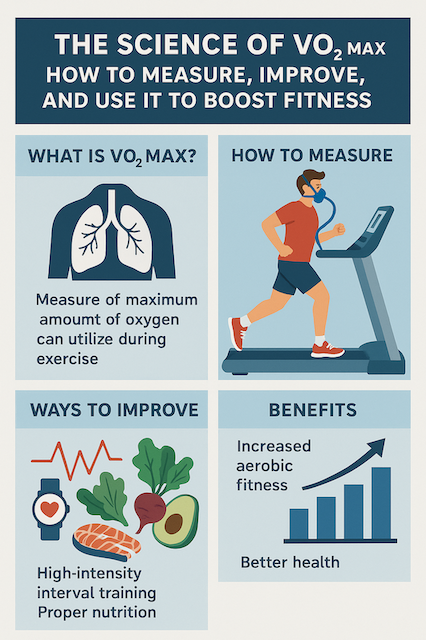
If it seems like VO₂ max is everywhere from your FYP (For You Page) on social media to background chatter at the gym these days, it’s because it is. So, what is VO₂ max? VO₂ max measures how much oxygen your body can use during intense exercise. Why is that important? Your VO₂ is a huge metric of your cardiorespiratory fitness and aerobic endurance. Both are important for fat burn and muscle building—not to mention that VO₂ gives a great benchmark for overall wellness. There’s no need for there to be a mystique around the VO₂ max definition. Come learn how to make this metric your friend for getting in the most empowered shape of your life.

The Science Behind VO₂ Max

VO₂ stands for Volume of Oxygen. Oxygen fuels our muscles, heart, lungs, and endurance—because it’s responsible for energy production. The oxygen in our bodies enables our bodies to generate enough of the ATP (adenosine triphosphate) that essentially serves as the main energy currency exchanged between cells. If we don’t have the oxygen needed for ATP generation, our bodies can’t efficiently use energy. This is where we get slow, sluggish, and exhausted.

When we exercise or do any activity that requires exertion and endurance, the heart and lungs work together to take in more air and pump more blood to deliver more oxygen to our muscles.

With all of this in mind, the VO₂ is the gold standard for cardiovascular fitness because a higher score indicates better physical conditioning and stronger recovery. VO₂ is important even if you don’t aspire to be a gym baddie. The simple truth is that higher VO₂ max is linked to stronger cardiometabolic health and lower mortality risk.

How VO₂ Max Is Measured

Let’s crack the science on how to measure VO₂ max. Traditionally, a VO₂ max test is only done in lab settings with doctors. This usually includes some type of incremental exercise test done on a treadmill or exercise bike while the participant wears a mask for gas analysis. VO₂ max testing is sometimes done in outdoor “field test” environments. In this scenario, the participant is usually running or walking over a set time or distance. Popular options are the 12-minute Cooper test or single-mile Rockport walk test.

More recently, VO₂ max monitoring has become widespread thanks to fitness trackers. Apple, Garmin, and Fitbit all have VO₂ metrics. Smartwatch trackers generally estimate VO₂ each time you record a fast-paced run or brisk walk using a combination of heart-rate monitoring and GPS tracking. While great for getting a general baseline for fitness purposes, smartwatch VO₂ max monitors are not considered as accurate as actual VO₂ testing in a controlled environment with professional equipment.

One study that looked at the validity of wrist-worn activity trackers for estimating VO₂ and energy expenditure found that these devices and apps are most likely not accurate enough to be used for sports or healthcare applications. Researchers behind the study also noted that the potential for performance-specific misjudgments of activity trackers could potentially lead to an increased risk of injury due to overload. Ultimately, these trackers should be viewed as simply “one more tool” for guiding workouts.

What’s a Good VO₂ Max?

It’s hard to throw out a general number. That’s because we look at VO₂ max values by age or athletic status when determining what’s ideal. The number you see for your VO₂ max score represents the maximum volume of oxygen your body uses per minute per kilogram of weight. We can very generically say that a good VO₂ max score is 45 to 55 (mL/kg/min) for men and 38 to 45 (mL/kg/min) for women. Anyone with a score above 50 is generally considered to be in excellent shape. Scores below 30 indicate that your body isn’t efficiently using oxygen during workouts. Here’s a breakdown of average VO₂ max range by age and gender:

Women:

  • 29 and under: 29 (Poor), 24-30.9 (Fair), 31-38.9 (Average), 39-48.9 (Good), 49 (Excellent)
  • 30-39: 19.9 (Poor), 20-27.9 (Fair), 28-36.9 (Average), 37-44.9 (Good), 45 (Excellent)
  • 40-49: 16.9 (Poor), 17-24.9 (Fair), 25-34.9 (Average), 35-41.9 (Good), 42 (Excellent)
  • 50-59: 14.9 (Poor), 15-21.9 (Fair), 22-33.9 (Average), 34-39.9 (Good), 40 (Excellent)
  • 60-69: 12.9 (Poor), 13-2.09 (Fair), 21-32.9 (Average), 33-36.9 (Good), 37 (Excellent)

Men:

  • 29 and under: 24.9 (Poor), 25-33.9 (Fair), 24-43.9 (Average), 44-52.9 (Good), 53 (Excellent)
  • 30-39: 22.9 (Poor), 23-30.9 (Fair), 41-41.9 (Average), 42-49.9 (Good), 50 (Excellent)
  • 40-49: 19.9 (Poor), 20-26.9 (Fair), 27-38.9 (Average), 39-44.9 (Good), 45 (Excellent)
  • 50-59: 17.9 (Poor), 18-24.9 (Fair), 25-37.9 (Average), 36-42.9 (Good), 43 (Excellent)
  • 60-69: 15.9 (Poor), 16-22.9 (Fair), 23-35.9 (Average), 36-40.9 (Good), 41 (Excellent)


Why VO₂ Max Matters

VO₂ is a key health indicator. Focusing on your VO₂ max is important if you’re striving for better metabolic health and longevity. A good VO₂ max can mean improved stamina, better overall fitness levels, and reduced cardiovascular risk. It can also simply help you to enjoy better athletic performance for running, cycling, swimming, and more. At Local Foodz, we offer a variety of customizable meal plans that support fitness and recovery by fueling muscles.

How to Improve VO₂ Max

You’re not stuck if your VO₂ max number is low. There’s plenty the average person can do to increase fitness levels and help their bodies optimize oxygen output.

  • High-intensity interval training (HIIT) is one of the best ways to improve your VO₂ max. A 2023 study shows that VO₂ max was significantly increased after HIIT compared to regular workouts. Additionally, Zone 2 cardio (steady-state endurance) is also great for boosting VO₂ max if you’re looking for a more moderate-intensity path to fitness. Performed at a consistent pace, Zone 2 cardio generally involves keeping a pace that’s 60% to 70% of your max heart rate. It’s ideal for both burning fat and building endurance.
  • Nutrition also matters for VO₂. Curated meal plans full of endurance-building foods that help to support oxygen transport to your muscles can help you eat your way to better performance. Think of iron-rich and high-protein foods, foods with plenty of high B vitamins, and foods with omega-3 fatty acids. Some of the best foods for improving VO₂ max scores include leafy greens, beets, sweet potatoes, fish, nuts, and eggs.
  • Consistency is key. Consider the path to an optimal VO₂ score as a long cross-country race instead of a sprint. Changing your VO₂ max score should be done with a method geared toward progressive overload—meaning you need to gradually increase the demand you place on your muscle. Doing too much too soon can lead to poor recovery or muscle injury. Being consistent with a muscle-building diet plan and exercise routine can get you to your ideal VO₂ max score without pain.

Myths and Misconceptions About VO₂ Max

  • You’re VO₂ max number doesn’t matter unless you’re an athlete. You may hear some people try to tell you this. It’s true that athletes use their VO₂ max scores as part of training. However, that doesn’t mean the average person aspiring for fitness can’t also use this important wellness indicator to shape their goals—and enjoy better, more fulfilling workouts and results.
  • You need the highest score possible. You also shouldn’t necessarily listen to people who are obsessed with getting the highest VO₂ max score possible. This is an individual benchmark. Talk to your doctor about reaching the best score based on your personal wellness goals.
  • Finally, some people will swear that you cannot shift your VO₂ max number with exercise and diet. That simply isn’t true. While your personal metabolic baseline may determine the amount of shifting possible, we can all improve this fluid metric with a little work.

How to Track Progress

The easiest way to start tracking your VO₂ max is with a wearable device or app. Get your full health spectrum in front of your eyes by combining VO₂ max with other metrics like heart rate, lactate threshold, and rate of perceived exertion (RPE).

When to Talk to a Professional About Your VO₂ Max

Consider a formal VO₂ test if you’re struggling with energy and endurance. For example, if you’re gasping for breath during workouts. Some people also get professional testing done before embarking on big fitness goals like running marathons or beginning intensive weight-training plans.

Give yourself grace by remembering that VO₂ max numbers drop naturally with age. However, a steep or very rapid decline can indicate a cardiovascular or respiratory issue. Let your doctor know if your numbers change dramatically without a known cause. Remember that reversible factors like dehydration, poor sleep, and recent illness can all cause VO₂ max to dip.

Key Takeaways

VO₂ max measures how much oxygen your body consumes while exercising. While commonly measured by athletes seeking to maximize endurance and recovery, VO₂ max is an important fitness and wellness metric for everyone. Oxygen-promoting exercises and foods can help you boost VO₂ levels.

Additional Source:

At Local Foodz, we’re not here to copy what other meal prep companies are doing. We’re here to solve the real problems customers face — with healthier meals, more flexibility, and service that truly puts you first.

And unlike many national services, our food is always fresh, never frozen — so every bite tastes like it was made just for you.


1. Healthy & Customizable

Struggling to hit your nutrition goals? We’ve got you. Every meal can be tailored to your needs:

  • Choose your proteins, sides, sauces, and toppings.
  • Select the portion size that’s right for you.
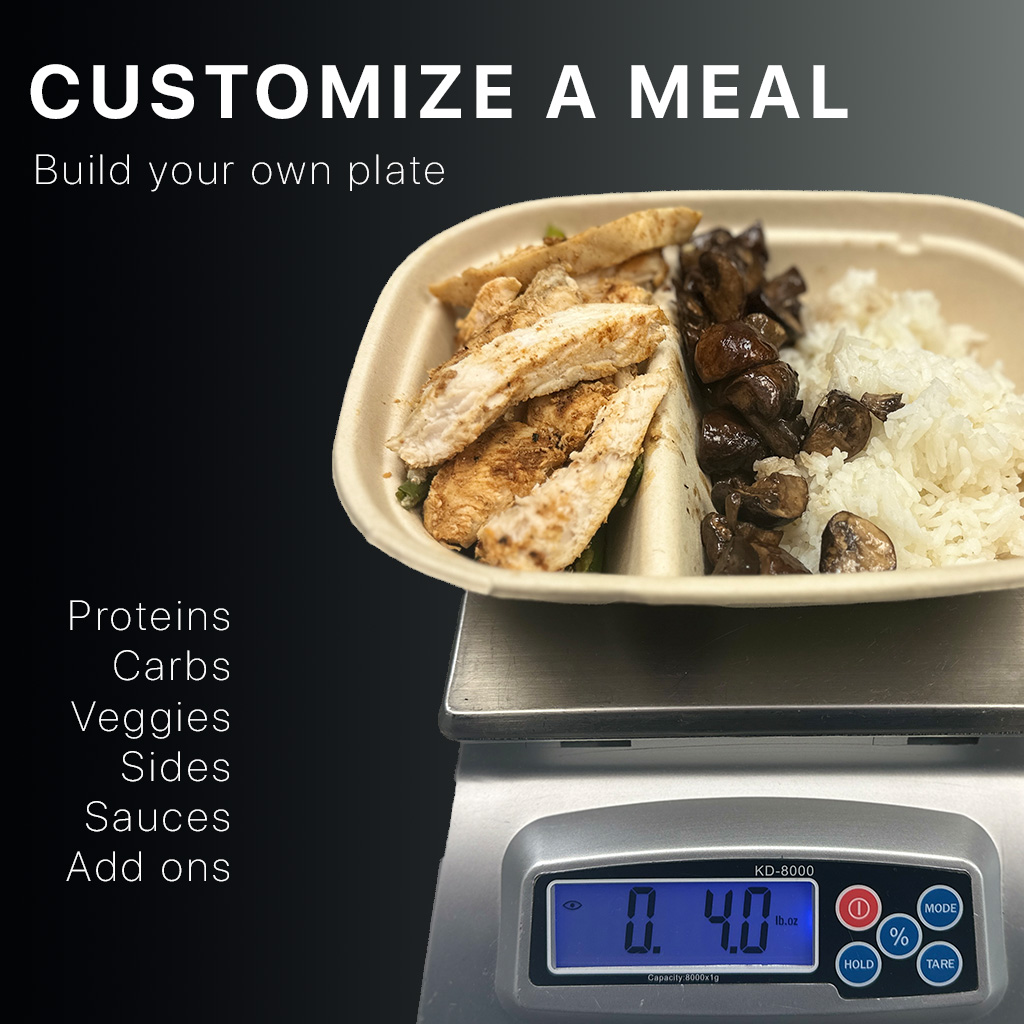
  • Enjoy the peace of mind that our portions are measured after cooking — when you order an 8 oz steak, you get 8 oz of cooked meat, not raw weight like at a restaurant.

This level of transparency and control means you never have to compromise on your health or your preferences.


2. Tons of Variety

Tired of boring menus? We keep things exciting with rotating seasonal chef specials while always keeping customer favorites available. Whether you’re craving pasta, tacos, salads, or Asian-inspired dishes, we make sure you’ll never get bored of eating well. And since every meal is made fresh, never frozen, you can count on the quality being just as good as it looks.


3. Flexible, No-Commitment Plans

Life changes — your meal plan should too. With Local Foodz:

  • Order meals individually or select 3, 5, or 7-day plans.
  • Choose one-time orders or set up a weekly subscription.
  • Save even more with 5% off 7-day meal plans.

No contracts, no month-long commitments — just flexibility designed around your lifestyle.


4. Transparent & Affordable

Eating healthy shouldn’t come with surprises. That’s why we provide:

  • Full nutrition facts on every meal (and available online too).
  • No sales tax, since our meals are delivered cold and ready to heat, just like groceries.
  • flat delivery fee that covers all your meals — or free delivery once you hit the order threshold.
  • 2% cash back on every full-price purchase, putting money right back in your pocket.

5. Next-Day Local Delivery

Frustrated by late or inconsistent deliveries? We built our own logistics platform and use our own drivers to ensure meals arrive on time and in perfect condition. For most of the Greater Bay Area, we deliver five days a week (Sunday–Thursday). And because we’re local, if there’s ever an issue with your order, our team can respond immediately. Every delivery is handled with white-glove care, so your meals arrive fresh, never frozen, and ready to enjoy.


6. Sustainability & Community Commitment

We don’t just deliver meals — we deliver responsibly. Most of our packaging is fully compostable, and we actively take back ice packs and bags to sanitize, reuse, and recycle. By sourcing from local suppliers whenever possible, we keep your food fresh, local, and reduce our footprint at the same time.


7. Problem-Solving Over Imitation

Many meal prep services simply try to copy the competition. Local Foodz is built differently:

  • Struggling to hit your macros? → We give you granular customization and transparent labels.
  • Frustrated by delays? → We designed our own delivery software to keep drivers on track.
  • Bored with repetitive menus? → We rotate chef specials while keeping core favorites.

It’s not about keeping up with others — it’s about listening to our community and fixing the pain points in meal prep and delivery.


Looking Ahead

At the end of the day, our mission isn’t to compete — it’s to lead with innovation and care. With customizable, chef-driven meals that are always fresh, never frozen, and a technology stack built in-house, Local Foodz offers a service that’s truly unmatched.

And the best part? We’re only getting started. The future is filled with exciting updates and new features designed to make eating healthy even easier, more convenient, and more rewarding for you.


👉 Ready to experience the Local Foodz difference? Order your first meals today and taste what sets us apart.

Let’s be honest: the only marathon most of us want to participate in when it’s colder than cold is the Netflix kind. It’s way easier to get motivated for that early morning jog or bike ride when it’s nice and warm outside. 

When fall and winter seasons approach, the dark, cold, and gloomy weather can make it all too tempting to simply stay in bed with the covers pulled over your head, repeatedly hitting the snooze button. The good news is that staying active in the winter doesn’t require superhuman strength. 

There are many ways you can maintain a steady diet and exercise routine even during the cooler seasons. Here are several tips to stay motivated in the winter (no Polar plunge required)! 

#1 Remember: Baby Steps > Big Overhauls

If you’re already anticipating a slowdown in activity during the winter months, don’t add to your stress by making health and fitness goals that are completely out of reach. Failing to live up to your own expectations not only affects your self-esteem, but it can make it even more difficult to stay motivated when you’re having a hard enough time already. Bysetting realistic goals and developing a workable action plan, you’ll be more likely to meet them and build on that momentum moving forward.

Also, it’s just as important to celebrate your smaller wins as it is your bigger ones. Did you make it to the gym every morning this week or stick to a healthy meal plan instead of reaching for the take-out menu? Great work! Celebrate a job well done by treating yourself to a new book or a healthy treat. By setting realistic goals, tracking your progress and allowing a few rewards along the way, you’ll set yourself up for success no matter what the colder months may bring.

#2 Lean Into the Cold Weather

There’s no set rule governing what time you must exercise. If your typical routine calls for an early morning jog, but it’s too cold or dark outside, consider switching to the afternoons for your run. Some people use their lunch break to squeeze in a quick gym session or walk. It doesn’t matter what time you work out, as long as you get it done at some point during your day. Figuring out what time works best for you may take a few tries. However, once you find something that aligns well with your schedule, stick with it.

If your busy schedule leaves you no choice but to brave the cold, it’s important to prepare thoroughly. This means adding in extra time for pre-workout warm-ups. By spending a few more minutes warming up with dynamic movements (like arm swings or jumping jacks), you’ll increase your heart rate and prepare your muscles for colder temperatures. When your muscles are cold, stiff and not adequately warmed up, you increase your risk of injury. So be sure to begin your workout slowly, and also make sure to stretch once you’re done.

#3 Feed Your Cravings Without Ditching Your Goals

We know this season wouldn’t be the same without tasty and seasonal comfort food. But many of these dishes have a lot of calories. It’s no wonder that many people gain a few pounds during the winter.

Fortunately, you can still enjoy holiday treats without sacrificing your health or your waistline. Salmon is delicious and a great alternative to higher-calorie dishes like Beef Wellington. Serving it up alongside potato latke and a creamy mustard sauce still feels just as festive, too. Instead of brownies, make an angel food cake topped with fresh fruit for a lighter dessert. With simple alternatives and swaps, you can still enjoy comforting holiday meals while making healthier choices that will keep your fitness goals on track.

While you should try to make healthier food choices, it’s also important to allow yourself some grace. Remember, maintaining a healthy diet and weight is a balancing act. Completely eliminating all sugary treats from your diet is unrealistic. It may even lead to a binge later on. If you’re really craving a sugar cookie or a piece of cake, enjoy it! Just remember not to overindulge.

#4 Turn Your Workout Into a Social Event

If your motivation is nowhere to be found when the temperatures start dropping, enlist the help of a workout buddy. Chances are, you aren’t the only one finding it hard to lace up your running shoes and hit the pavement (or gym). Pair up with a friend or two and pledge to commit to working out at least a few times a week. You could work out together in person or check in virtually. A workout buddy can provide you with the extra emotional support and motivation you need to brave the cold and keep moving throughout the season.

Or, you might consider signing up for a group workout class at your local gym. A group fitness class can decrease your isolation, boost your mood, and maybe even help you find a new workout partner along the way.

#5 Lighten Your Days

Another factor that can affect your motivation during the fall and winter is your mood. Seasonal affective disorderaffects millions of people every year. As the temperatures drop and days get shorter, decreased energy and a lack of interest can directly impact your motivation to exercise. If you’re noticing these symptoms, you might try spending at least 15-30 minutes each morning outdoors if possible. This has been shown in studies to boost mood

#6 Snow Outside? Sweat Indoors 

Sometimes, dangerously cold wind chills or snowy weather will keep you indoors and prevent you from heading to the gym. When this happens, it’s helpful to have an alternative handy. If you have space, consider setting up a home gym or creating a workout area in a corner of your living room or bedroom. A home gym is not only convenient during times of inclement weather, but it also provides you with the flexibility to work out whenever you want without having to leave your house. This is particularly helpful when driving conditions are hazardous.

You don’t necessarily need a whole lot of equipment to get a good sweat session in. Ideally, you should have equipment that’s versatile and easy to move out of the way when you’re not using it. Resistance bands, dumbbells in various sizes and a yoga mat can help you get a full body workout if you’re snowed in. 

You could even add larger equipment to your setup, like a bench, kettlebell, pull-up bar and a power rack. Cardio equipment like a treadmill, a stationary bike or an elliptical can help round things out, but it’s not a necessity.

If you’re new to home workouts and unsure how to build a routine, head online. There are many videos available that break down the fundamentals and provide great tips on how to build a personalized workout that works for you.

#7 Thaw Out the Negative Self-Talk

During winter’s shorter days, longer nights and colder temperatures, it’s easy to lose your motivation to stick with a healthy diet and exercise routine. This is especially true with holiday festivities and events that crowd your social calendar, leaving you with little room for working out.

During these times, self-criticism can creep in. You may feel frustrated when you miss several workouts in a row, eat too many desserts at your work party or hit snooze far too many times in a week. Negative thoughts like “I’m so lazy” and “I already messed up—why bother eating healthy” may sneak in.  

Try to practice self-compassion. Keeping a positive mindset is an important part of winter wellness. Remind yourself that you’re only human, after all. By treating yourself with kindness through any setbacks or challenges you face, you’ll be more likely to stick with your goals in the long term instead of giving up on them altogether.

#8 Think Progress, Not Perfection (Especially in Winter)

Every workout won’t be your best. Some days, you may just “dial it in” or only have time for a shorter cardio session instead of the long run you were planning on. What matters is that you showed up and still put in effort.

Everybody’s motivation ebbs and flows throughout the year, especially during the cooler months and the holiday season. Just remember to try to stay consistent, count those small wins and create simple exercise routines you know you can stick with. Committing to a daily walk around your neighborhood is much more feasible than pulling yourself out of bed to run for miles in the freezing cold each morning. Every workout you complete is a step in the right direction.

And remember, if you struggle to stay motivated in winter and fall short of your health goals, you can always get back to your healthy lifestyle after the season is over. One slow season doesn’t undo all the effort you have put in.            

At Local Foodz, we believe eating healthy shouldn’t feel like a chore—or a puzzle you have to solve. That’s why we designed our menu and process to be flexible, transparent, and rooted in the values that matter most: quality, balance, and accessibility.

Our Values: Food You Can Trust

Everything we do starts with a simple promise—real food, prepared with care.

  • Quality Ingredients: We use fresh, locally sourced ingredients whenever possible, because flavor and nutrition start at the source.
  • Consistency: You should know what you’re getting every time you order from us. That means portion sizes, flavors, and freshness you can count on.
  • Flexibility: Everyone’s goals and lifestyles are different, so we make sure our meals can adapt to yours.

We know our customers are busy professionals, athletes, parents, and everything in between. Our goal is to take the stress out of planning, cooking, and portioning, while still keeping food exciting.

Healthy Eating Looks Different for Everyone

For some people, healthy eating means going low-carb. For others, it’s about hitting a high-protein target, or simply getting more vegetables in during the week. We don’t ask our customers to follow one diet over another—we believe there’s no one-size-fits-all approach.

Instead, we focus on the foundation of it all: quality meals and portion control. Because no matter your diet style, balance and consistency are what truly make the difference.

How the Menu Works

At the bottom of it all, our menu starts with the building blocks: customized meals and meal components. You’ll see these in our customizable menu, where you can pick your proteins, sides, sauces, and add-ons by the ounce. Each attribute is also available individually on our sides menu, so you can order just what you need.

These same components are then combined in different ways to create our full lineup of dishes. For example:

  • Proteins like grilled chicken, Korean BBQ beef, or salmon can be enjoyed on their own, in a custom meal, or featured in one of our signature entrees.
  • Sides such as rice, yams, or vegetables can be added à la carte, used as the base of a custom meal, or paired with proteins to create a chef-driven plate.
  • Sauces and Add-ons bring variety and flavor, while also giving you control over how you want your meals to taste and feel.

This modular approach gives us the ability to use the same ingredient across multiple products while still keeping things fresh and exciting. It allows our chefs to be creative with new specials and signature entrees without reinventing the wheel every week—meaning more variety for you, with the same consistency you can count on.

On top of this foundation, we offer two main pathways:

  • Chef Specials, which rotate monthly and bring seasonal, globally inspired flavors.
  • Signature Entrees, which showcase balanced, complete meals built from those same core components.

Every dish is still designed with nutrition and portion control in mind—balanced macros, clear labeling, and flavors that hold up even when reheated. That way, no matter which path you take, you’re always getting food that works for your goals and your lifestyle.

How Components Build Our Menu

Here’s a look at how proteins, sides, sauces, and add-ons combine to create our full menu of meals:

Pre-Made Meal Plans: An Easy Way to Start

If you’re new to Local Foodz, our pre-made meal plans are the easiest way to dive in. These plans are designed to take the guesswork out of eating healthy, giving you a curated selection of meals that fit a variety of lifestyles and goals.

They’re a great starting point—you can simply choose a plan, get meals delivered, and begin building healthy habits right away. From there, it’s easy to fine-tune by swapping in meals you love, removing ones that don’t quite fit, or adding extras from our customizable menu.

Think of pre-made plans as your launchpad—a foundation that you can personalize as you discover what works best for your body, your taste buds, and your routine.

Our Healthy Eating Pyramid

To us, everything starts with the base: customized meals and components. From there, we layer on balanced meal options, dietary flexibility, and chef-curated variety to keep food both functional and fun.

Nutrition Transparency: Every Meal, Fully Labeled

We believe you should always know exactly what’s in your food. That’s why every single meal we prepare comes with a full nutrition label—calories, protein, carbs, fats, and more—so you can track your macros with complete confidence.

Whether you’re following a strict nutrition plan or just aiming to make better choices, our detailed labeling helps you stay on track without the guesswork. Transparency is part of our commitment to making healthy eating simple and accessible for everyone.

Why It Matters

Healthy eating isn’t about short-term diets—it’s about building sustainable habits. By making it easy to tailor your meals, we give you the tools to stay consistent, enjoy your food, and actually look forward to mealtime.

At the end of the day, our mission is simple: to help you feel good, perform better, and enjoy food that works for your life.

Whether your goal is to shed body fat or build lean muscle, your nutrition strategy will play a major role in your success. Meal planning for weight loss looks a bit different than meal planning for muscle gain. In this guide, we’ll break down the key nutritional differences between eating for fat loss versus eating for muscle growth – from calories and macronutrients to portion sizes – all in clear, beginner-friendly language. You’ll also learn how Local Foodz can support each goal with customizable meals, portion control, and a variety of menu options. Let’s dig in!

Understanding Your Goals: Fat Loss vs. Muscle Gain

First, it’s important to understand that weight loss and muscle gain are essentially opposite goals in terms of energy balance. Losing weight (specifically body fat) requires taking in fewer calories than you burn (a calorie deficit). Gaining muscle mass typically requires taking in more calories than you burn (a calorie surplus). In other words, you need to eat below your maintenance calories to lose fat, and above maintenance to gain muscle. The exact calorie targets will differ for everyone, but as a rule of thumb:

Calories are the most important factor when it comes to losing or gaining weight. However, the balance of macronutrients – protein, carbohydrates, and fats – in your diet will determine what kind of weight you lose or gain (fat vs. muscle). That’s where meal composition becomes crucial.

Macronutrients: Eating for Fat Loss vs. Muscle Gain

Your body needs a mix of protein, carbs, and fats, but the optimal balance can shift depending on your goal. Here’s a simple breakdown of how to approach macros for weight loss versus muscle gain:

  • Protein: Protein is your best friend in both cases, but especially for fat loss. High protein intake helps preserve muscle tissue during weight loss and keeps you full longer. For muscle building, protein is crucial to repair and build new muscle – you’ll want ample protein daily to support growth.
  • Carbohydrates: Carbs are the body’s main fuel source, especially for workouts. For fat loss, moderate your portions of starchy foods. For muscle gain, carbohydrates become extra important – they provide energy for intense training and help shuttle nutrients to your muscles for recovery.
  • Fats: Dietary fat is essential for hormone production and overall health. In a weight loss plan, include moderate healthy fats but watch the portion sizes since fats are calorie-dense. For muscle gain, include healthy fats to support overall calorie intake without crowding out protein and carbs.

Meal Planning for Weight Loss

When planning meals for fat loss, the aim is to reduce calories while still providing your body with nutrients (and enough protein to maintain muscle). Here are some tips for a weight-loss focused meal plan:

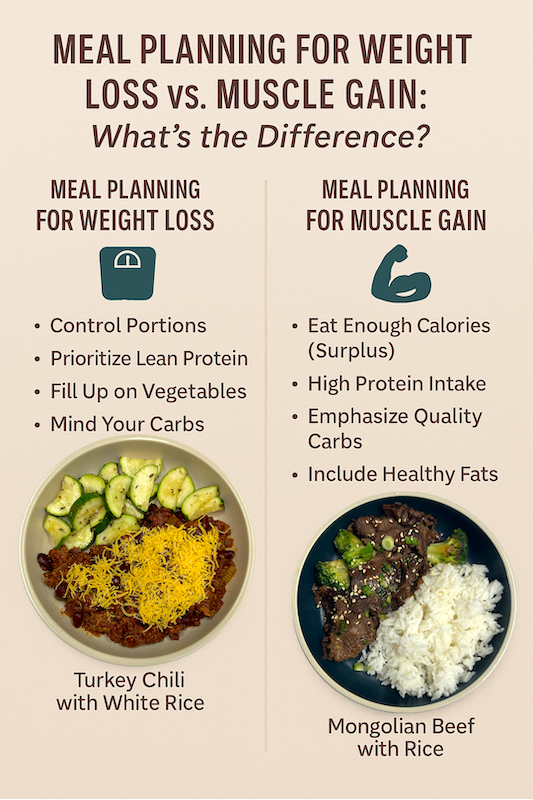
  • Control Portions: Creating a calorie deficit is much easier when you control your portion sizes. Use pre-portioned meals like those from Local Foodz, where each meal comes with a set calorie amount.
  • Prioritize Lean Protein: Include a source of lean protein in every meal. Protein has a high satiety effect, meaning it curbs hunger the most.
  • Fill Up on Vegetables: Vegetables are high in volume and fiber but low in calories – perfect for fat loss.
  • Mind Your Carbs: Choose quality carbs and keep portions moderate.
  • Include Healthy Fats (Moderately): Enjoy foods like avocado, nuts, seeds, or olive oil in small portions.
  • Calorie Guide: Many people will lose weight on somewhere around 1,200–1,800 calories per day. Focus on creating a consistent calorie deficit.

Meal Planning for Muscle Gain

Designing a muscle gain (bulking) meal plan is almost the opposite of weight loss – you need a calorie surplus and plenty of protein and carbs to build new muscle tissue. Key tips for a muscle-building diet:

  • Eat Enough Calories (Surplus): Start with a small surplus, such as 300–500 extra calories per day above your maintenance level.
  • High Protein Intake: A common guideline is around 0.7–1 gram of protein per pound of body weight per day.
  • Emphasize Quality Carbs: Include generous portions of carbohydrate-rich foods. Nutrient timing – eating carbs and protein soon after your workout – can improve recovery.
  • Include Healthy Fats: Healthy fats like nuts and olive oil add extra calories and support hormone production.
  • Meal Frequency: It may help to eat more frequently when bulking to get all your calories in without feeling overly stuffed.

How Local Foodz Supports Your Nutrition Goals

Local Foodz offers freshly prepared, nutritionally balanced meals with clearly labeled calories and macros. Here’s how we support each goal:

  • Customizable Meal Plans: Choose plans tailored to different dietary needs like low-carb for fat loss or high-protein for muscle building.
  • Precise Portion Control: Meals come portion-controlled with a specific calorie count and macro breakdown.
  • Macro-Balanced Meals: All meals are designed with lean protein, complex carbs, veggies, and healthy fats.
  • Menu Variety and Taste: Enjoy everything from grilled chicken to teriyaki salmon to vegetarian bowls.
  • Convenience: Ready-to-eat, goal-friendly meals make it easier to stay on track.

Local Foodz Menu Examples for Weight Loss and Muscle Gain

Weight Loss-Friendly Options

  • Turkey Chili with White Rice – A hearty but lean dish featuring ground turkey chili (8 oz portion) served with 4 oz of white rice. It’s packed with protein and flavor but comes in around just 430 calories per serving. This is great for fat loss – filling, calorie-controlled, and rich in protein.
  • Beef Bolognese (Lean Pasta Bowl) – A portion-controlled serving of pasta with lean beef tomato sauce, around 420 calories for the whole meal. This balanced dish provides protein from the beef and controlled carbs from the pasta.

Muscle Gain-Friendly Options

  • Mongolian Beef with Rice – This dish features tender beef in a savory sauce (5 oz portion of beef) paired with 5 oz of white rice. It delivers roughly 390 calories in a single plate, along with a hefty dose of protein. Ideal for muscle gain – calorie-dense and loaded with quality carbs.
  • Custom “Double Protein” Meal – Create a plate with 8 oz of grilled chicken breast, a generous serving of brown rice, and roasted vegetables. Our system allows up to 10 oz of chicken breast to pack in more protein and calories. Add cheese or sauce for more calories as needed.

Stay Motivated and Enjoy the Process

Whether you’re working toward a leaner physique or trying to add strength and size, remember that consistency is everything. With Local Foodz, healthy eating becomes convenient and sustainable.

You’ve got this – and Local Foodz is here to help every step of the way. 💪🥦🍽

Sources:

Being a first-time dad to a 10-month-old daughter is one of the greatest joys of my life — but I won’t lie, it’s also one of the hardest things I’ve ever done. Add to that the responsibilities of owning and operating a gym, being a personal trainer, and trying to keep things running smoothly both in my business and at home… let’s just say, there were many days I barely had time to cook, let alone clean up afterward.

I was always rushing, always trying to finish something — and most of the time, something had to give. More often than not, it was my own nutrition.

That’s when my good friend Arman told me to check out Local Foodz. He mentioned that he already partnered with them and said, “You’ve gotta talk to the owner. Great guy, great team.” I took his advice and scheduled a visit.

From the moment I stepped into their facility, I could see why Arman spoke so highly of them. Their operations, their systems, the care they put into everything — it actually inspired me to level up, not just with my fitness and nutrition, but also with how I run my own business.

Funny thing is, I had already invested in Local Foodz before meeting them in person. But once I experienced their process firsthand, everything clicked. I realized this wasn’t just another meal prep company — it was something next level.

Before Local Foodz, I tried other meal services, but they were either too slow, tasted like airplane food, or just weren’t sustainable. Local Foodz, though? They’re the Amazon of meal prep — fast, efficient, consistent, and high quality. Their meals taste like something made at home, not mass-produced. They deliver next-day, every time. That reliability alone is a game changer.

Since working with them, I’ve lost 20 pounds and feel healthier, more focused, and way more present — both at the gym and at home with my daughter.

Here’s what I learned: You can work as hard as you want in the gym, but if you’re not investing in your nutrition and your time, you’re making it way harder than it needs to be.

If you’re a busy parent, a business owner, or just someone trying to stay consistent with your health goals, I highly recommend checking out Local Foodz. You’re not just buying meals — you’re buying back time, energy, and peace of mind.

And trust me — that’s one of the best investments you can make.

It’s time for the 2026 reset! Those cookie platters and mugs of eggnog from December don’t have to leave you riding sugar crashes into the new year. Of course, bouncing back with eating and exercise after the holidays can be hard. Weight gain and a general sense of sluggishness can leave you feeling unmotivated. First, don’t feel bad. Research shows that most people gain weight over the holidays. The only real problem we have to worry about is allowing the “pound here and there” to accumulate. For example, gaining a single pound every holiday season for 20 years without taking it off in January means that you may find yourself 20 pounds heavier down the road. Here’s a peek at how to plan your post-holiday comeback if you overindulged over the past few months.

1. Don’t Try to “Undo” the Damage by Skipping Meals

If you have some regrets about your holiday eating habits, don’t dwell on them. Some people will try to drastically reverse their holiday overindulgences by going on “starvation” diets in January. This can backfire for your health, wellness, and weight. Research shows that restricting food has been linked with increases in food cravings and binge eating. Skipping meals doesn’t just make a person miserable. Research linking skipping meals with weight gain may mean that it’s also wildly counterproductive.

A 2021 study on associations of skipping breakfast, lunch, and dinner with weight and obesity in university students found that skipping dinner is a significant predictor of weight gain and obesity. The reality is that it’s much smarter to simply be intentional about eating when you’re trying to bounce back from the holidays. By remaining satiated with help from healthy, whole foods, you can stay on track with your plans to lose weight or regain energy after feeling “less than healthy” at the end of the year.

2. Discover New Foods

One of the hardest parts about resetting your diet at the beginning of the year is that you’re going from yummy holiday foods to “bland” everyday foods. That’s why January is a great month for spicing things up with your diet. Consider skipping your usual diet in favor of discovering new foods.

What does this look like in practical terms? Let’s say you’re someone who reverts back to boiled chicken or plain egg whites when you want to be disciplined with your eating. It’s easy to see why you might struggle to stick to these types of foods after you’ve spent a few weeks enjoying sugary, buttery, and flavorful foods during the holidays. A good strategy might be to integrate more flavorful and exotic foods into your diet that still offer many of the same benefits as your bland go-to foods. In fact, a varied diet full of new flavors could actually provide better nutrition that gives you a wide range of vitamins, minerals, and antioxidants compared to what you usually eat.

Need some ideas? Swap a plain egg white for a crispy egg white frittata with some broccoli that adds texture. If you’re craving a little more, just think of how exciting it would be to wake up to an egg white scramble made with roasted veggies and chipotle lime crema instead.

3. Plan Workouts You Enjoy

Does the thought of getting back to the gym feel painful at this point? It’s easy to lose touch with that lift we get from feel-good hormones during workouts when we’ve been away from the gym for a few weeks during the holidays. It might be time to reignite your passion for working out by adding in a new activity you can look forward to when getting out of the house on a chilly day doesn’t seem very appealing. In fact, getting in on one of the latest fitness trends could help you to feel excited about getting active this winter. Here are some ideas to help you burn calories and improve cardiovascular health after a season of indulging has left you feeling out of shape:

  • Sign up for a local pickleball club. This is the ultimate indoor activity that gives you that summertime pep in your step during the colder months of the year.
  • Consider upgrading your gym membership to include boxing classes or aerobics sessions.
  • Look up walking paths near your office that provide scenic opportunities to get some steps in during your lunch break.
  • Splurge on a “smart” home gym experience that allows you to enjoy guided workouts virtually.


4. Focus on Portion Sizes

It’s easy to lose sight of what a normal portion looks like when we’ve been eating from platters or going back for seconds for weeks. Did you know that research shows that people will actually eat more food when they’re offered large portions? In fact, the phenomenon is so prevalent that researchers have actually created a term called the portion size effect (PSE)to describe it.

The PSE is why eating at restaurants can actually be tricky for some people. While you wouldn’t necessarily pile your plate high at home, you will dig in to the full portion when it’s offered at a restaurant. Unfortunately, swearing off restaurants can be hard for busy people who don’t often have time to prepare balanced meals at home. That’s one of the reasons why meal delivery systems are so popular. With meal delivery, you get to enjoy perfect portions that are meant to satiate you without creating pressure to clean a plate that’s simply too big. There’s never anxiety about waste because you’re getting an appropriate portion that you can finish without worrying about keeping track of how much you’re eating. The best part is that another preplanned, perfectly portioned meal will be waiting when you’re ready to eat again.

5. Make Friends With Protein and Fiber

Influencers may be encouraging you to do outrageous detox plans to get back on track after the holidays. Unfortunately, detoxes can leave you depleted, zapped of energy, and hungrier than ever. A better option than detoxing is actually to fill up on gut-friendly protein and fiber. Fiber and protein are amazing together because they help you to feel full while also assisting with digestion and gut health. That’s important if you’ve noticed tummy troubles since the holidays. Sugar actually changes the ecosystem within the gut. Excessive sugar intake can disrupt the intestinal barrier to increase gut permeability. That’s why you might be noticing gas, indigestion, food sensitivities, and a decreased immune system if you overdid it with cookies, cakes, treats, or sugary beverages over the holidays.

Fiber plays an important role in healing and protecting the gut. When consumed, dietary fiber is fermented by the human gut microbiota in order to produce beneficial microbial metabolites. What’s more, high dietary fiber consumption is associated with increased gut microbiota diversity and lower long-term weight gain. Many people find that consuming fiber with their meals allows them to feel full longer. Fiber can be a real cravings buster. Protein-rich foods can also help to extend feelings of fullness and fight cravings. Research shows that protein helps to increase satiety.

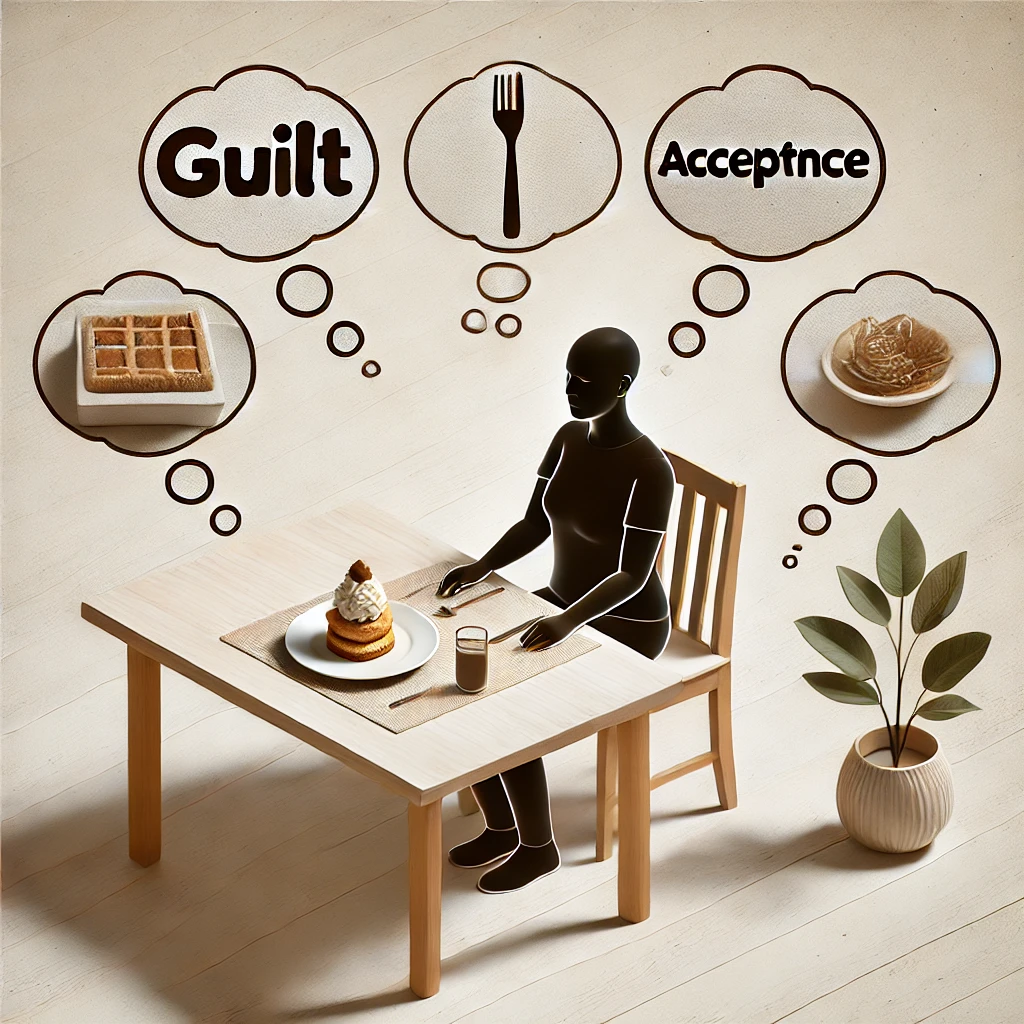
6. Leave the “Guilt” Mindset Behind

Bouncing back from a holiday eating fest is about starting fresh! There’s no need to feel shame, guilt, or regret when looking back on your eating habits during the last few weeks of the year. Leading a balanced life means leaving room to indulge when you’re kicking back for some well-deserved relaxation after a long year. If you’re having trouble letting go of food-related guilt, let science be your guide. It’s proven that holding on to guilt about food can actually make it harder to get in shape.

Researchers know that guilt is a profound motivator. However, it may not motivate you in the right direction if the goal is to get healthy. When examining the effects of guilt on reaching weight-loss goals, researchers found that guilt did not have any motivational properties. Participants who associated indulging in chocolate cake with guilt did not have stronger motivations to eat healthy compared to participants who associated eating the cake with celebration. In fact, people who associated the cake with guilty feelings reported lower levels of perceived behavioral control over eating. They were also less successful at maintaining their weight over an 18-month period. Consider this your permission to stop feeling guilty about holiday eating activities!

Get Ready for Your Healthiest Year Ever

Going into the new year with a plan for staying in control of your eating habits can set you up to be feeling your best a year from now! If you’re struggling with knowing where to start, consider removing the confusion and hassle of meal planning by signing up for a meal delivery service. LocalFoodz offers healthy food delivery throughout San Francisco and the Bay Area. Select a meal plan menu, build a rotating weekly meal plan, or simply pick your favorites from our à la carte menu. Start planning your year of healthy eating now!