
Category

Holiday Eating

Category

But there’s good news! By making a few mindful choices, you can keep the holidays merry, bright—and healthy. Use these powerhouse tips to protect your health and start the new year strong.


1. Focus on Reducing Stress

The holidays are a mixed bag of joy and chaos. For many, the season brings underlying stress from financial pressures, work deadlines, or family dynamics. Even fun-filled festivities can leave us feeling overextended, creating the perfect storm for burnout.

How does stress make us sick? When we’re overwhelmed, our immune systems are weakened, leaving us more susceptible to colds and flu.

Simple Ways to Reduce Holiday Stress

  • Delegate Household Chores: If you’re hosting, consider hiring a housecleaner or enlisting help from friends and family.
  • Save Time with Meal Prep: Skip the stress of cooking from scratch every day by signing up for a meal prep service to free up precious time.
  • Set Intentions for the New Year: Feeling stuck? Spend time journaling or creating a vision board to channel your energy into exciting goals.

Remember, taking time for self-care isn’t selfish—it’s necessary for staying well during the holidays.


2. Eat Healthy and Avoid Overindulging

The holidays are synonymous with indulgence, but overloading on sugar and heavy meals can wreak havoc on your immune system. Balance is the name of the game.

Tips for Healthy Holiday Eating

  • Start Your Day Right: Ensure breakfast and lunch include lean proteins, whole grains, and healthy fats. This keeps you full and less likely to overindulge at holiday parties.
  • Avoid Skipping Meals: “Saving room” for a big dinner often backfires, leading to overeating and nutrient imbalances.
  • Nourish Your Body: Focus on immune-boosting foods like vitamin C-rich fruits and vegetables.

Meal Ideas to Keep You on Track

Craving convenience? Let LoCal Foodz Cali handle the meal prep for you. Our customizable, made-to-order meals help you stay on track while enjoying the season’s flavors.


3. Prioritize Movement and Exercise

Can exercise really prevent holiday colds? Research suggests that it might! Regular physical activity boosts your immune system by:

  • Flushing out Germs: Exercise may help clear bacteria from the lungs and airways.
  • Activating White Blood Cells: These immune cells detect and fight illness more effectively after a workout.
  • Raising Body Temperature: Similar to a mild fever, exercise-induced heat can prevent bacterial growth.
  • Lowering Stress Hormones: Less stress equals a stronger immune response.

Even short bouts of movement can make a difference. Take a brisk walk to admire holiday decorations, or squeeze in a 15-minute home workout to keep your energy levels high.


4. Avoid Excessive Alcohol Consumption

Holiday cocktails are part of the season’s charm, but overindulging can weaken your immune system. Alcohol not only impairs your body’s ability to fight off infections but also disrupts sleep and hydration—both critical for staying healthy. If you’re celebrating with a drink, pace yourself with plenty of water and nutrient-dense snacks to minimize the impact.


5. Protect Your Sleep

Tips for Better Holiday Sleep

Sleep is your body’s best defense against illness. When you consistently miss out on quality rest, your immune system struggles to function properly. Aim for at least seven to eight hours of sleep per night, even during the busiest weeks of the season.

  • Stick to your regular bedtime as often as possible.
  • Avoid heavy meals, caffeine, and alcohol close to bedtime.
  • Create a calming pre-sleep routine with a warm shower or relaxing book.

Enjoy the Holidays Without Sacrificing Your Health

The holidays are about celebrating—not surviving. With thoughtful planning, balanced meals, and time for rest, you can make this season your healthiest one yet. Remember, the best gift you can give yourself is the gift of health.

Feeling overwhelmed by the hustle and bustle? Let LoCal Foodz Cali help with healthy, delicious meals delivered right to your door. We’ll handle the cooking so you can focus on what truly matters this holiday season.

Cheers to a season filled with joy, health, and memorable moments!
From pumpkin to apples, fall offers some of the most delicious and nutrient-packed foods. Here are 12 of our seasonal favorites!            

Fall is a favorite time of year for many. The crisp, cool air and turning leaves are wonderful, but another reason to love the season is the delectable fall foods.

It’s harvest time, and that means that there are opportunities to enjoy fantastic foods that feature unbeatable flavor and texture.

When you put these foods on the table this fall, you’ll enjoy a more colorful plate as well as gain all of the benefits of antioxidants, protein and fiber. These foods offer quite a bounty of benefits. 

In fact, many of these items could be classified as superfoods. If you are committed to getting lean, supporting longevity and enhancing physical performance, it just makes sense to add these dishes to your regular nutritional routine.

Let’s take a look at some of the dishes and foods that are the stars of any fall meal plan.

1. Root Vegetables

Root vegetables are fall and winter vegetables that typically grow under the soil. Examples include sweet potatoes, carrots, jicama, and garlic. Root vegetables are packed with antioxidants and fiber.

So, how can you enjoy root vegetables? My favorite way to eat them is to roast them. Roasting makes them tender and caramelized. You can also shred them and make them into healthier hashbrowns. Some root veggies, like carrots, can be shredded and added to fall salads.

You could also try a whole wheat pasta with roasted veggies. What could be more satisfying than a big plate of pasta on a chilly day? The best part is that this pasta is good for you because it’s made with whole grains. That translates to a meaningful serving of fiber, which causes blood sugar levels to rise more slowly, thereby preventing food cravings. Whole wheat pasta also has a slew of valuable phytochemicals, minerals and vitamins. At the same time, it promotes gut health and contains more fiber than regular pasta. If that isn’t enough incentive, consider the veggies. Packed with vitamins, minerals, fiber and other good-for-you components, they are the perfect complement to a whole wheat pasta meal.

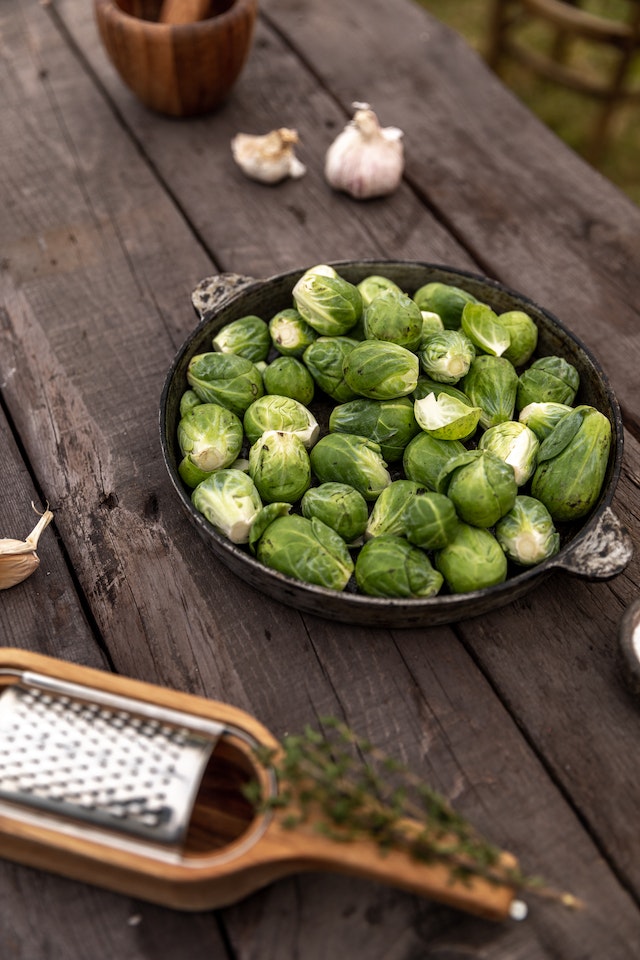
2. Brussels Sprouts

It turns out that there was a good reason why your mom always wanted you to eat your Brussels sprouts. They are incredibly good for you.

Brussels sprouts are part of the cruciferous family, the members of which are rich in items such as vitamin C and folate. Another reason to add them to your list of staple foods is the presence of cancer-fighting compounds. If your goal is lifelong health and fitness, Brussels sprouts can be an excellent choice.

3. Pears

Pears are sweet, crisp, and delicious — what’s not to love about them? Even better is the fact that they are a great source of both fiber and vitamin C. In fact, just one pear offers more than a quarter of your daily fiber needs (based on a 2,000-calorie diet).

Pears help keep hunger at bay thanks to the amount of fiber they have. This fact makes them a great snack in between lunch and dinner. Pears contain a type of fiber called pectin. This type of fiber helps slow down digestion. Studies have found that pectin may help to reduce the risk of heart attack.

Choose firm pears that give with gentle pressure. Store them in a fruit bowl or the fridge if you will not eat right away.

Tip: Splash cut pears with a bit of lemon juice to prevent them from turning brown.

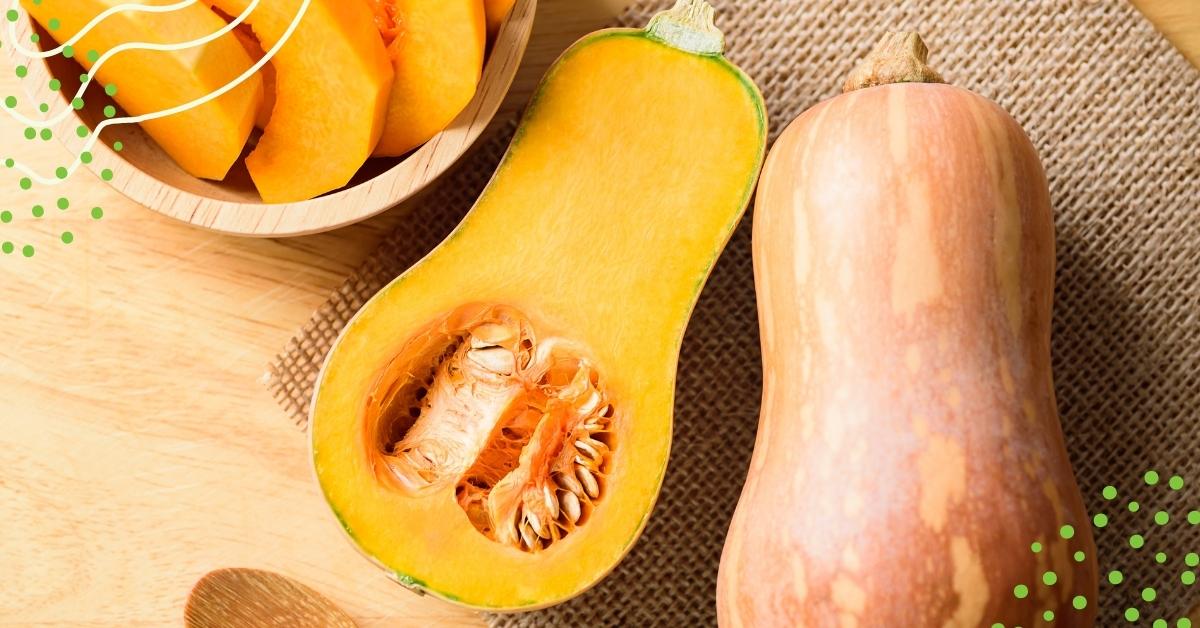
4. Butternut Squash

Inflammation is a chronic problem in modern life, but regularly including butternut squash in your nutrition can change that. Additionally, this amazing fruit is packed with antioxidants, fiber, minerals and vitamins. Butternut squash is high in potassium, which is essential for heart health.

Eating squash regularly may even help improve your bone density. That is because it is high in manganese, which is essential for bone health. Manganese may also help promote long-term eye health.

5. Sweet Potatoes

Forget the version of sweet potatoes that you see on the table at Thanksgiving. If you go without marshmallows and other unhealthy ingredients, sweet potatoes are a healthy dish.

Try roasting, broiling, or mashing sweet potatoes as an alternative to the annual Thanksgiving treat. Prepared in these ways, sweet potatoes are a powerhouse food that’s full of manganese, magnesium and fiber. These substances are excellent for your metabolism as well as lowering blood pressure and increasing bone density.

If you have diabetes or are concerned about your blood sugar, you have even more reason to appreciate sweet potatoes. This dish won’t cause your blood sugar to spike the way that regular potatoes do.

6. Pumpkin

Fall is that time of year when everything seems to be flavored with pumpkin, and for good reason. Pumpkin is amazing for your health.

Pumpkins are about so much more than Halloween. With a mega-dose of antioxidants as well as fiber, vitamins and protein, pumpkin deserves to be labeled as a superfood. The main antioxidant in pumpkin, beta-carotene, is believed to reduce your risk of certain cancers, protect you against heart disease, and can even help mitigate your risk of developing macular degeneration.

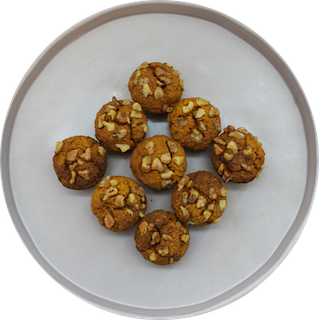
Looking for ways to enjoy pumpkin? Try pumpkin mini muffins. They make an excellent snack between meals. Roasted pumpkin seeds are also a very tasty snack idea.

7. Broccoli

Here’s another cruciferous vegetable that deserves to be a part of your regular nutritional rotation. One of the main reasons for eating broccoli is the incredible amount of vitamin K that it contains. Essential for the proper functioning of a variety of proteins that help with blood clotting, vitamin K is critical to good health.

Broccoli also boasts a good concentration of folate, which is crucial for producing and maintaining new cells. Don’t forget that this powerful fall vegetable also is packed with antioxidants, minerals, vitamins and fiber.

8. Cranberries

What gives cranberries their distinctive, deep-red color? It turns out that it’s a compound known as anthocyanin. This compound is more than just a pretty color. It’s also a valuable antioxidant and anti-inflammatory agent. Cranberries even have a decent amount of fiber, which means they help you feel fuller longer. Plus, regularly including cranberries in your routine supports the health of your bladder and may guard you against cancer of the lung, colon, breast and prostate.

9. Apples

This quintessential fall food is a powerhouse when it comes to fiber. Eating just one small apple gives you four grams of fiber, making it easier to meet your daily fiber goal. When you ensure that you’re eating sufficient fiber, you are lowering your risk for type 2 diabetes, heart disease and colorectal and breast cancer.

Make sure you eat the apple’s peel because it’s packed with antioxidants and polyphenols that guard you against the oxidative stress that is a precursor for many chronic diseases.

10. Leeks

Leeks are one of the most underrated foods. They have a milder flavor compared to onions but pack all of the same nutrients. Leeks are packed with antioxidants, such as lutein and zeaxanthin.  They are also fiber-rich.

Wondering what to do with leeks?  These slim vegetables are a great substitute for onions. You can add them to your favorite pasta dish.

Tip: Choose a pile of leeks that are crisp. Make sure you wash them carefully before cooking.

11. Mushrooms

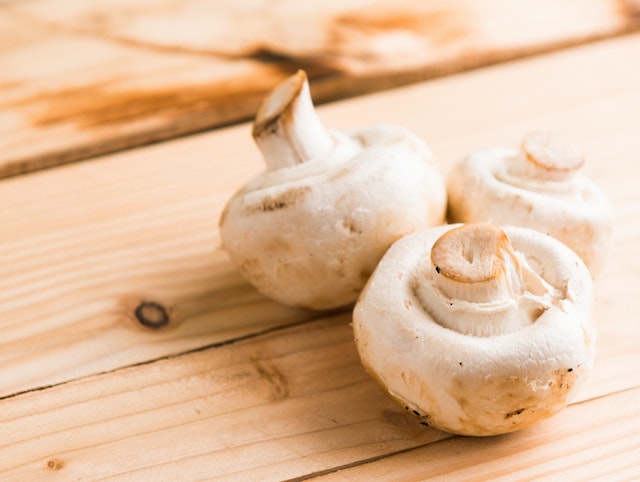
Mushrooms are perfect when you need something to enhance your meal. Earthy mushrooms pair perfectly with so many foods. A good source of vitamins B and D, mushrooms are a great addition to everything from pasta to salads because the texture is similar to meat.

12. Radishes

Radishes are often ignored but they shouldn’t be. They are packed with nutrients including vitamin K, calcium, and potassium. The tiny radish is a versatile veggie that you can add to any fall dish. They are especially good with chicken street tacos. The radish adds a nice crunchy bite.

Let’s Recap

Thanks to the beautiful fall colors, changing leaves, and abundance of healthy and tasty fall vegetables, fall is one of the best seasons of the year!

We’ve all had that moment of realizing that we’re mindlessly shoveling in another forkful of food. Some of us might not even realize that we’ve been eating on autopilot until our crumb-dusted hands feel the empty inside of a party-sized chip bag. Rote eating is something that many of us fall into because of life’s fast pace. How many times have you gobbled up a sandwich in four bites just to be able to walk into a meeting on time? “Netflix eating” is also a real problem. Eating while binging on the latest season of Ozark causes us to attune our senses to what’s on the screen. This is great except that we then no longer pay attention to our taste buds. During the holidays, many people fall into the trap of distracted eating. The sheer volume of food put in front of us can cause us to feel pressure to try everything. As a result, we’re in a frenzied state of eating without savoring our food. So, how can we practice mindful eating this holiday? Read on for some tips. But first, let’s first talk about distracted eating. 

The Problem With Distracted Eating

The problem is that eating without intention causes us to eat more. “Distracted” eating can be especially dangerous when it comes to consuming larger portions unintentionally. An extensive analysis done by researchers on the topic of “eating awareness” a few years ago sheds some light on this problem. It showed just how much more likely we are to overeat when eating under the influence of distraction.

How Likely We Are To Overeat When Distracted

When looking at 24 studies, researchers found that eating when distracted consistently produced a moderate boost in immediate intake. When we begin a meal in a distracted state, we tend to start eating extra straight out of the gate. Furthermore, starting a meal while distracted causes us to increase intake as our eating continues. Think of it like a “snowball effect.”

Is there anything that can stop it? According to this review, there are three key takeaways to combat distracted eating. Here they are:

  • Enhancing memory of food consumed reduced later intake. That means that slowing down to pay attention to what you’re eating can prevent you from overeating at subsequent meals.
  • Removing visual information about the amount of food eaten during the meal increases immediate intake. Luckily, this is one of the easiest oversights to fix. We’ll cover the tips in just a minute!
  • Incorporating attentive-eating principles into one’s lifestyle may aid both weight loss and maintenance without the need for conscious calorie counting.

Distracted eating can happen anywhere. However, many people have concerns about losing perspective about what’s on their plates with the holidays approaching. The stress of holiday shopping and worries over holiday finances can cause us to not pay attention to what we eat. Even good things like spending time with family or the carefree joy that comes from having time off can cause distracted eating.

That’s not to say that a little bit of indulgence isn’t welcomed on big feasting days like Thanksgiving. However, the goal should be to enjoy some controlled indulgence instead of distracted indulgence.

How to Stay Present During Holiday Meals

Take a look at some smart tips for being more aware and paying more attention to what you eat over the holidays.

Mindful Eating Tip #1: Focus on Nutrition First

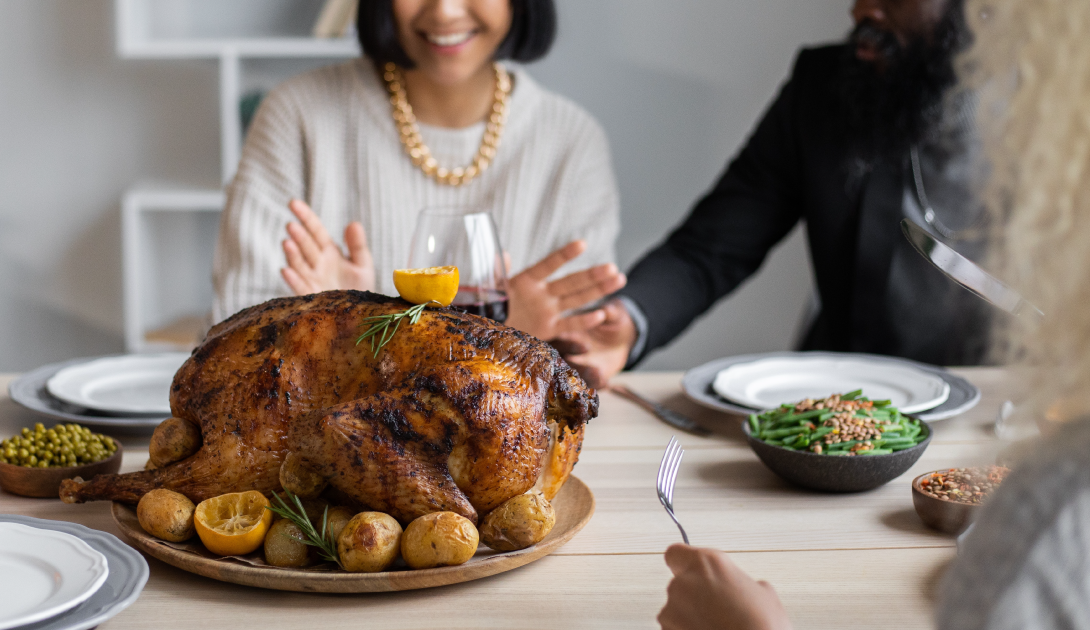
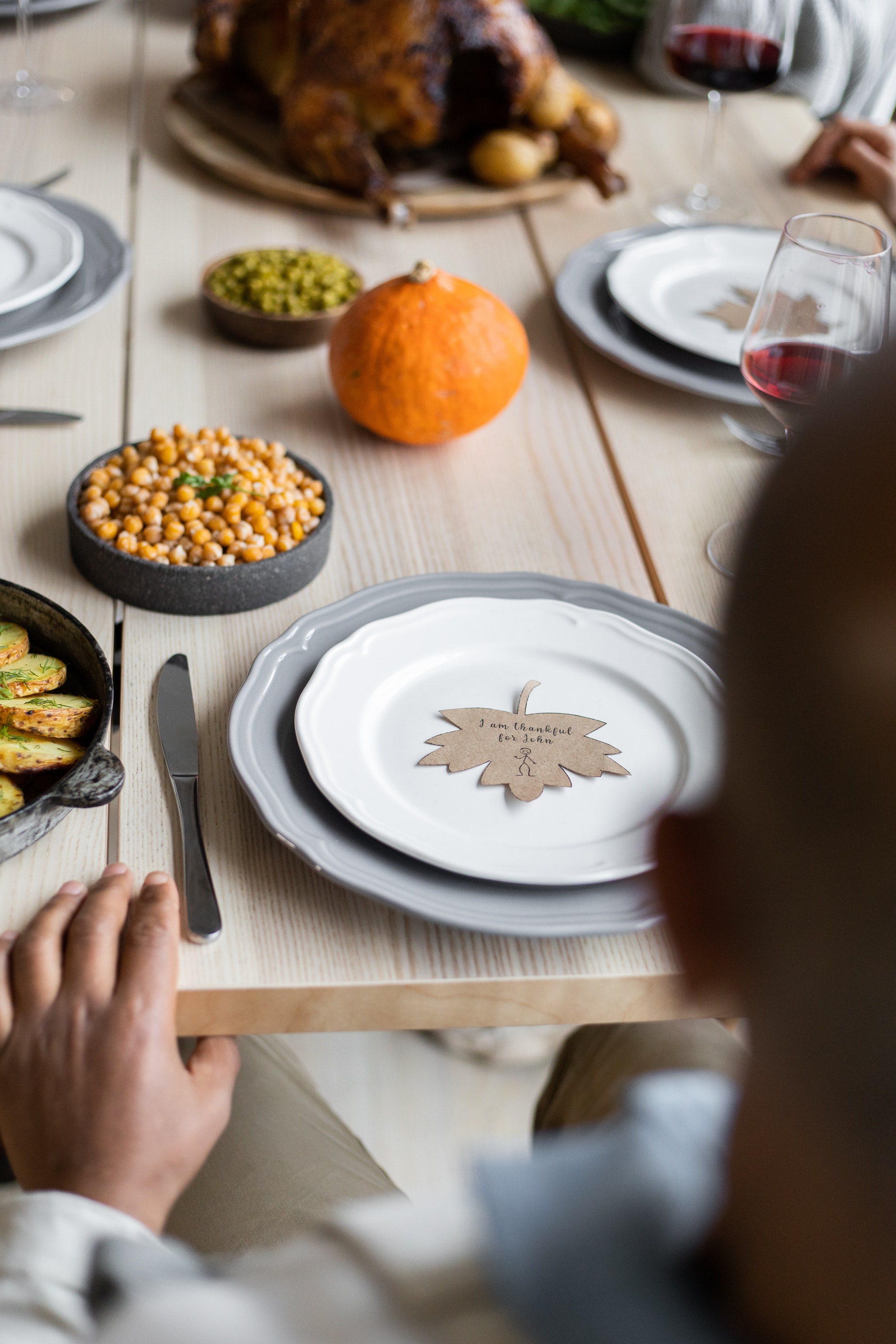
Thanksgiving dinner table setting with healthy food.

Before you approach a spread packed with all kinds of starchy, sticky and sweet foods, make a deal with yourself: to focus on nutrition first. Choose to load your plate first with nutritional foods rather than ones that are simply “yummy.” You should also eat the most nutritious things off your plate first. This will help you fill up on goodies like steamed broccoli or lean turkey before diving into the buttery biscuits. You’re not restricting what you can eat. Instead, you’re prioritizing foods that nourish you. The bonus is that you won’t be quite so ravenous when you do finally work your way to the desserts. Starting your meal by being mindful about what you’re eating will set you up to remain mindful.

Mindful Eating Tip #2: Don’t Grab the Big Dish

Pay attention to the size of your plate! While this may seem simple enough, the reality is that most of us have been programmed to “fill our plates” regardless of the size. In fact, we rarely stop to even consider the way that plate size impacts portion size. According to some experts, it’s not uncommon for a person to end up eating 25 percent to 50 percent more food from a bigger dish! There’s a way around this. First, if you are at a gathering, try to grab a dish that’s close to the size you use for your meals at home. If the dishes only come in one size, estimate the size of your “normal” dish within the larger dish. Only fill your plate to cover your regular portion size from home!

Mindful Eating Tip #3: Don’t Socialize Near the Food

This little hack is helpful for holidays, parties and work meetings! Proximity to food makes us more likely to dip our hands in! In a study looking at how visibility and convenience influence candy consumption, researchers placed candy dishes in work settings to see if proximity influenced how much candy study participants would eat. The results of this study were surprising. People ate nine candies when a dish was on the desk. When the candy was placed in a drawer, they ate six. When participants had to get up from their desk, they ate only four pieces!

It’s easy to see how being able to simply “reach” for food makes it more challenging to practice mindful eating. When the food is further away, it gives you more time to think about whether or not you really want that food.

Mindful Eating Tip #4: Start the Day With Your Own Breakfast

Getting your day off to a rocky start that includes grabbing for whatever is available can set you up for a day of distracted, mindless eating. We can’t always control what others are going to serve at events like holiday gatherings. However, we can control what we eat before we get there. Pay special attention to breakfast if it’s the only meal of the day that you can control. By practicing mindful eating earlier in the day, you can better avoid distracted eating later in the day. You are setting yourself up for mindful eating all day long!

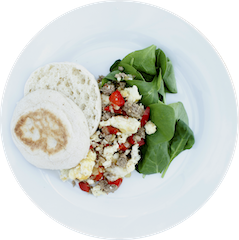
Here are a couple of ideas for a mindful breakfast. Prepare a hearty egg scramble that keeps you feeling full and energized. The healthy proteins will get you in the mindset for healthy meals without a sense of deprivation for the rest of the day. If you stay at someone’s house overnight before a big holiday, take along something easy and convenient like overnight oats.

Mindful Eating Tip #5: Keep Your Plate Away From the Television

This might just be the most important tip of all! Being distracted by shows, movies and videos may be one of the most significant unknown health risks people face today! Eating while watching television around the holidays can be especially dangerous! Want to know why? This is a time of year when holiday baking shows flood the airways and streaming services. A study from University of Surrey found that watching cooking shows and videos can cause us to eat more.

Of course, eating while gathered around the television for any reason can cause us to eat more. What many people don’t realize is that eating while watching television makes food less satisfying. As a result, we keep going back for more because we aren’t satiated quite as easily.

Having our senses occupied by the screen can also cause us to miss critical cues that tell us we’ve eaten enough! There’s also a “time” component. Making the decision to eat while watching a television show locks in our “eating time” for the duration of that show. This may cause us to go back for “seconds” several times to remain in a state of eating until the end of the program we’re watching!

What to do instead? Practice mindful eating by making the decision to start a show or movie after eating for the evening.

Final Thoughts: Mindful Eating Makes the Holidays More Enjoyable

Mindfulness elevates the experience of eating. It’s important to remember that mindfulness isn’t a punishment designed to stop us from seeing food as a means of enjoyment. The opposite is true. Mindfulness allows us to live in the moment with our plates instead of feeling like we’re always chasing the pleasure that’s dulled by distraction.

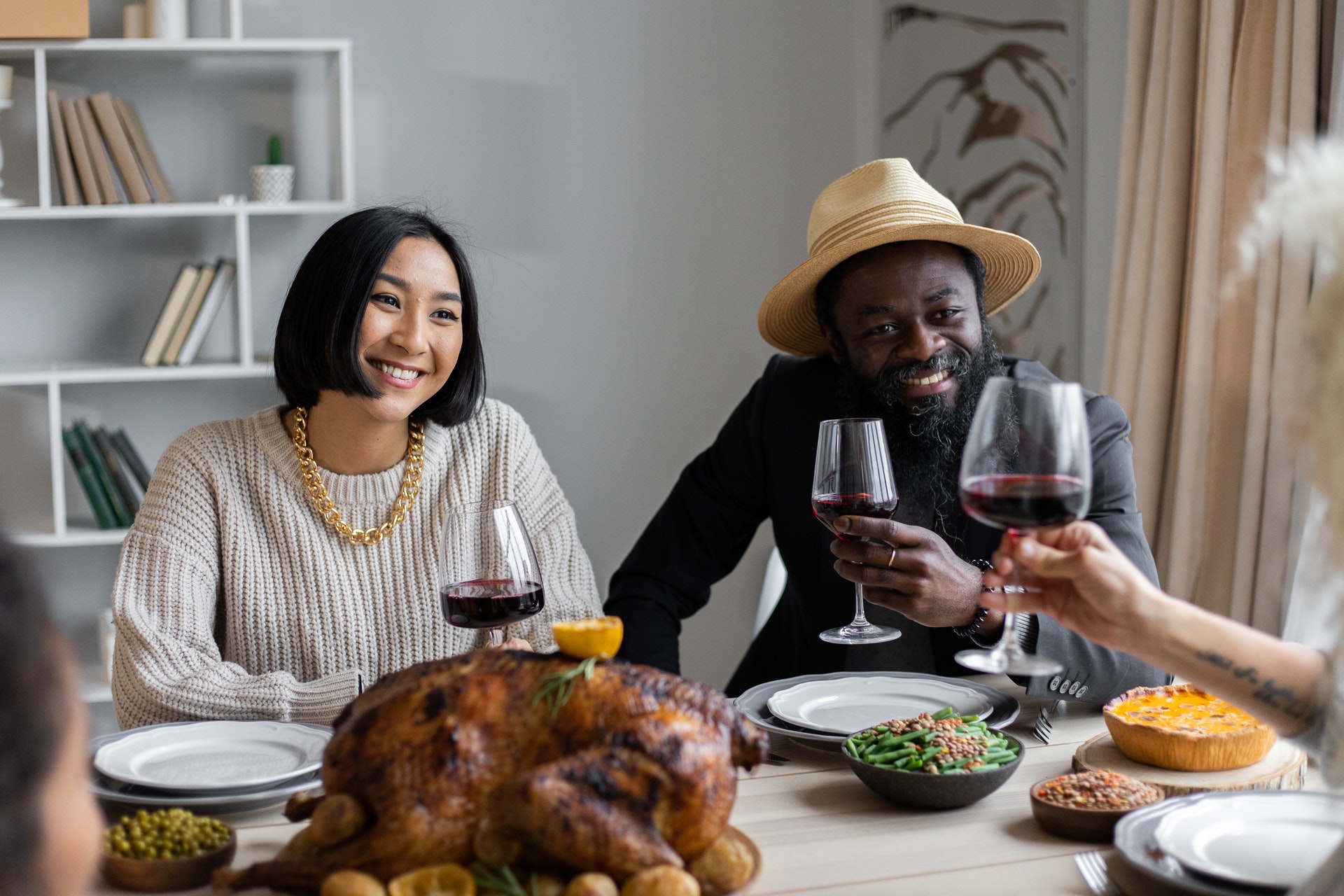
Couple enjoying Thanksgiving dinner.

Are you already anticipating a turkey-day dietary torpedo that’s going to decimate your carefully plotted eating plans? Listen, it’s only natural to splurge a little on Thanksgiving. However, you may be wondering if overindulging on ONE DAY is enough to derail your goals. Let’s take a look at what going a bit “overboard” on Thanksgiving means for your healthy intentions.

How Many Calories Does the Average Person Consume on Thanksgiving?

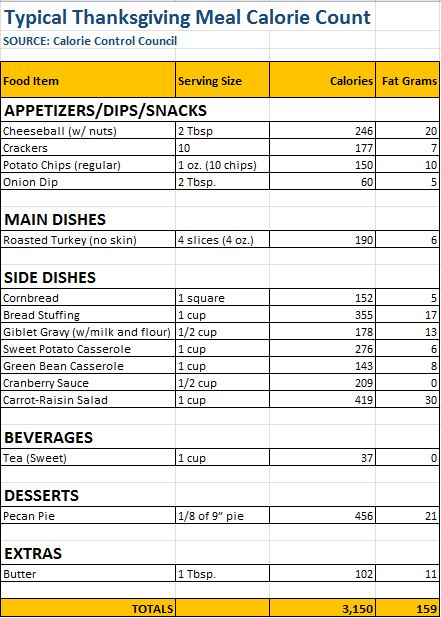
It’s time for a moment of truth! Be prepared to be a little bit shocked when you discover just how much we’re all eating on Thanksgiving. According to data from the Calorie Control Council, the average person consumes 3,000 calories in a single Thanksgiving meal. We’ll do a breakdown of exactly where those calories are coming from in a minute. First, let’s run a comparison on what those 3,000 calories are equal to in real-world terms using some research provided by USA Today. Here’s what you could eat to equal one typical Thanksgiving meal:

  • Six Big Macs from McDonalds’s.
  • 10 Caesar salads from Panera.
  • 12 servings of Häagen-Dazs vanilla ice cream.
  • 14 strawberry-iced donuts from Krispy Kreme.

The truth is that 3,000 calories for a single meal is no small thing. The current dietary guidelines for adults show that many of us are going over our total calorie counts for an entire day with one meal on Thanksgiving. Based on recommendations, adult men should be consuming between 2,000 and 3,000 calories per day. The range is 1,600 to 2,400 calories per day for adult women.

Where Do Thanksgiving Calories Come From?

Where are those 3,000 calories coming from when we sit down for Thanksgiving? The good news about Thanksgiving dinner is that it provides many opportunities for lean proteins and vegetables. This is where portion control can work to your advantage because “tasting a little bit of everything” can help you stay within a more reasonable calorie range without feeling deprived. According to the Calorie Control Council, here’s what the breakdown for a typical Thanksgiving meal might look like for the average American:

Appetizers/Dips/Snacks

  • Cheese ball with nuts (2 tablespoons): 246 calories/20 grams of fat.
  • Crackers (serving of 10): 177 calories/7 grams of fat.
  • Potato chips (serving of 10): 150 calories/10 grams of fat.
  • Dip (2 tablespoons): 60 calories/5 grams of fat.

Main Dish

  • Skinless roasted turkey (4 ounces): 190 calories/6 grams of fat.

Side Dishes

  • Cornbread (1 square): 15 calories/5 grams of fat.
  • Bread stuffing (1 cup): 355 calories/17 grams of fat.
  • Gravy (1/2 cup): 178 calories/13 grams of fat.
  • Sweet-potato casserole (1 cup): 276 calories/6 grams of fat.
  • Green-bean casserole (1 cup): 143 calories/8 grams of fat.
  • Cranberry sauce (1/2 cup): 209 calories/0 grams of fat.
  • Carrot-raisin salad with dressing (1 cup): 319 calories/30 grams of fat.

Beverages

  • Sweet tea (1 cup): 37 calories/0 grams of fat.

Dessert

  • Pecan pie (1/8 of a 9-inch pie): 456 calories/21 grams of fat.

Extras

  • Butter (1 tablespoon): 102 calories/11 grams of fat.

Now, your meal may look a little bit different depending on your family traditions and personal holiday favorites. However, this breakdown gives you a good look at where you can easily add some checks and balances to your Thanksgiving meal. For instance, the surprising “danger zone” appears to be a seemingly healthy dish like carrot-raisin salad. However, there’s no doubt that the dressing can put a dish like that over the edge for calories and fat. You can also see just how many calories you can wipe from the scoreboard if you skip the cheese-and-cracker plate in favor of waiting to begin chowing down until you get to your main course.

This particular breakdown from the Calorie Control Council uses pecan pie as the default dessert. You may be wondering how the count looks if you’re more of a pumpkin pie person. According to the USDA, the average slice of pumpkin pie contains 225 calories and 9.3 grams of fat. That means you’re basically slicing calories and fat in half if you go with pumpkin over pecan.

You may have noticed that alcoholic drinks are absent from this list. Be warned that a few drinks can significantly increase your calorie total on Thanksgiving. If breaking out the spirits is simply part of your holiday tradition, there’s no reason to deprive yourself just because you’re counting calories. However, you may want to try to balance “liquid calories” with solid calories to take into account the calories and carbs you’ll be consuming in the form of wine, beer, or liquor. The average serving of beer has between 142 calories and 338 calories. For wine, the calorie count is 120 calories to 130 calories per 5-ounce glass.

Will Splurging on Thanksgiving Really Derail Your Goals?

So far, we’ve covered what the calorie count looks like for the average Thanksgiving meal. Some people are focused on finding ways to eat less on Thanksgiving to avoid a “splurge.” Others simply want to know if going wild on one day can sabotage their goals and progress. Let’s dive in to dissect that second question.

Our first instinct may be to wonder how many calories we’d need to eat on Thanksgiving to gain weight. However, a person in a health-first mindset should really be focusing on something else. What we need to worry about is slipping into a “Thanksgiving eating” mindset that lasts for weeks or months. With Thanksgiving being on a Thursday, it’s easy to slip into a mode of overindulging with promises of “living it up” for the long weekend before getting back to a more sensible eating plan on Monday. The reality is that every day that passes with loose eating rules is one more day that makes it harder to stick to our plans.

The Secret to Eating Healthy on Thanksgiving: Make a Plan for Friday

Having a plan to return to sensible eating without feeling deprived in the days following Thanksgiving is really what differentiates the successful from the unsuccessful in this arena. Don’t just make a plan to go grocery shopping to stock up on better foods the weekend after Thanksgiving. This is when the temptation to stay in holiday eating mode will be stronger than most people can handle. A better option is to have your fridge pre-stocked with tasty, satisfying meals that you’re going to be happy to reach for when you’re ready to resume post-Thanksgiving normalcy.

What’s the Truth About Being Derailed by Thanksgiving Overeating?

As promised, it’s time cover if splurging on Thanksgiving really can derail your goals. According to Women’s Health, this probably isn’t something you have to worry about. It’s nearly impossible to gain weight “overnight.”

“In order to gain weight, you’d have to eat 3,500 more calories than you typically eat and burn off to maintain your figure,” according to the magazine. That means that you’d have to add an additional 3,500 calories on top of the 1,600 to 3,000 you’re already eating as a man or woman following the standard dietary guidelines. It works out to be 5,100 to 6,500 calories consumed on Thanksgiving Day. The fact that the average American consumes 3,000 calories during just Thanksgiving dinner doesn’t make this impossible. However, it is pretty unlikely.

There’s something important to remember here. That 3,500 calorie figure does not take into account calories burned. That means that every bit of physical activity you do on Thanksgiving Day is added to your forgiveness column. You have every reason to plan a Thanksgiving hike, family walk, friendly dance party, or post-meal flag-football game! Those fun activities can genuinely help you offset your huge calorie spike for the day. They will also give you a nice energy boost that will leave you even more energized to resume your healthy lifestyle the next morning.

Should You Splurge on Thanksgiving If You’re Trying to Lose Weight?

Thanksgiving is Thanksgiving! There’s no reason to put yourself through suffering just because you happen to have some weight-specific goals in mind. Go ahead and eat what you love without guilt if you believe that a little splurging is what makes life worth living. If possible, do your best to make little substitutions along the way during Thanksgiving to help you to enjoy what you love without adding unnecessary calories. The bottom line? It’s more important to focus on your mindset going into Thanksgiving dinner than it is to focus on your calories if you’re in it for the long game. Thanksgiving is just one day. Your mindset for getting back to healthy eating after a lovely day with family or friends is what will ultimately make or break your goals.

Overstuffed is only good when we’re talking about the turkey… not our stomachs. Follow these 10 tips to eating healthier and lighter during this feast-worthy holiday.

Festive gatherings filled with friends, family, and food. That’s what often comes to mind when thinking of Thanksgiving day. But, for some, this day carries a lot of anxiety.

“How will I maintain my healthy lifestyle throughout the holidays?”
“There are never any healthy meals at dinner. I just shouldn’t go this year…”
“What’s the use? My diet is ruined, I might as well just eat whatever I want.”

Pssst… we have a secret for you: THANKSGIVING DOESN’T HAVE TO BE THIS WAY! Okay, sorry. That was a bit aggressive. But, it’s true! With the right game plan, you can conquer this holiday guilt-free and without restrictions. Thanksgiving won’t derail your health goals, and we’ll show you how.

Why We Fall Off the Wagon Every Thanksgiving
Millions of Americans will gain a pound over the holidays, despite a well-thought-out diet plan held throughout the year. The reason these diets fail around Thanksgiving is that they address the wrong problem. It’s not your willpower.

It’s the environmental cues we surround ourselves with that trigger our appetite and food habits. Thanksgiving, especially, combines some of the worst environmental cues for overeating. There is plenty of food easily accessible, lots of company to share the moment, and an increasing amount of variety. Your willpower is easily overwhelmed by all of these cues to eat.

How to Combat the Holiday Food Guilt
When it comes to sticking to your nutrition plan and keeping the holidays as healthy as possible, it’s important to alter the environmental cues around you. Now, this doesn’t mean avoiding get-togethers with family and friends or restricting yourself by any means. All we encourage you to do this holiday is to follow these 10 guidelines as best you can:

1. Keep It Squeaky Clean Leading Up Dinner

Thanksgiving week can often be filled with tumultuous treats and recipe sampling leading up to the big day. But, it’s important to keep food quality high during this time. Focus on crushing protein and veggie-heavy meals throughout the week as well as the day of.

While many individuals skip meals on Thanksgiving day in preparation for the feast, sticking to small, satisfying meals will help curb your appetite for dinnertime. Start your day with eggs and toast or a bowl of whole-grain cereal and low-fat milk to avoid overindulging later that day.

2. Offer Up Your Cooking Skills

Walking into someone else’s party without your own food is asking for hidden calories. Instead, offer to meal prep for the occasion, bringing healthy side dishes filled with veggies, fruits, or proteins. These types of foods are always lacking around this holiday, so switch it up and provide a healthy option for you and others! This also gives you the opportunity to make some smart swaps with foods traditionally high in calories.

For example, mashed potatoes! While we love these tasty spuds, the appeal is more about the lush, smooth texture than any standout flavor… as well as a vehicle for gravy. However, you can swap out the mashed taters with pureed cauliflower instead. This cruciferous vegetable has six times the Vitamin C, twice the fiber, and fewer calories than the standard spud.

Not a master chef? We can help! Choose from any of our a la carte options to ensure there’s a healthy, tasty side dish ready for you at dinner.

3. Fill Up on Fiber & Water

Eating a nutritious meal with protein and fiber before you arrive takes the edge off your appetite and allows you to be more discriminating in your food and beverage choices. However, it doesn’t have to stop there. Try to fill half your plate with non-starchy veggies come feast time.

This may include brussels sprouts, green beans, carrots, bell peppers, or a green salad. Aim to make your plate as colorful as possible. As well, sipping on water throughout the day will curb cravings and keep you full in-between meals!

4. Limit the Bubbly

These fun gatherings often call for a splash of liquid courage. But this doesn’t have to derail your healthy eating habits. Alcohol can lower blood sugar and those alcohol calories that can add up quickly.

If you do have alcohol this Thanksgiving, have it with food. Also, set a goal to minimize any boozy drinks to about 2-3 servings. In between drinks, sip on some refreshing La Croix, Zevia, Kombucha, or water.

5. Stick to Your Routine

Just because it’s a holiday doesn’t mean your routine has to change. Crush some breakfast, hit a workout, or take a time-out to recharge from family and friends. If you love journaling in the morning or taking a mid-afternoon walk, DO IT! Consistency is key to keeping your healthy habits alive and well during the holiday.

As well, try to keep your food routine the same, if not similar. Eat close to your usual times to keep your blood sugar steady. If your meal is served later than normal, eat a small snack at your usual mealtime and eat a little less when dinner is served.

6. Police Your Portions

Thanksgiving tables are bountiful and beautiful displays of traditional family favorites. But before you let Aunt Irma stack your plate high with “a little bit of everything,” scout the buffet table to decide what you really want to treat yourself to. Then select reasonable-sized portions of foods you cannot live without.

If you are still hungry after your first plate, head back for seconds to sample a bit more. Start conservative and add as your stomach sees fit.

7. Feast on Your Favorites

No food is on the naughty list. Don’t waste your calories on foods that you can have all year long. Choose the dishes you really love and can’t get any other time of year. Fill half your plate with small portions of holiday favorites and the other half with healthy veggie options.

Or if appetizers are your thing, grab a plate and fill up. No sense saving yourself for the main meal if turkey and trimmings leave you cold. Don’t feel obligated to eat specific foods, regardless if they’re deemed “bad” or “good.”

8. Get Physical… Physical

Getting physical and staying active means many things to many people. But when it comes to the holiday season, especially Thanksgiving, fitness doesn’t have to be so strict. Make it a family adventure! Take the kids for a walk early in the day or after dinner. It is a wonderful way to get some physical activity in a fun and social way.

While you may burn off the calories from your future meal, there are other benefits to being active. Exercising before a meal puts you in a positive mindset with an eye toward health, and exercising afterward can help banish that uncomfortably full feeling. Find which option works best for you and your schedule!

9. Savor It Slowly

Ever sit down for a delicious meal only for it to be over in the blink of an eye? You weren’t able to truly appreciate everything that went into the meal. This often leaves you unsatisfied and over-stuffed.

Eating slowly, putting your fork down between bites, and tasting each mouthful is one of the easiest ways to enjoy your meal and feel satisfied. Choosing whole grains, fruits, vegetables, broth-based soups, salads, and other foods with lots of water and fiber will also add to the feeling of fullness.

10. Enjoy the Day with Friends and Family

Thanksgiving is not just about the delicious bounty of food. It’s a time to celebrate relationships with family and friends. The main event should be socializing and spending quality time together. Even if you slip up during this time, you can easily get right back to healthy eating with your next meal.

The most important thing about this holiday is being able to enjoy it with loved ones instead of stressing over what the scale might say the next day. Remember Thanksgiving is a holi-DAY, not a holi-WEEK or holi-YEAR. Become aware of your environment and adjust your habits to conquer the day successfully!