
Category

Goal Setting

Category

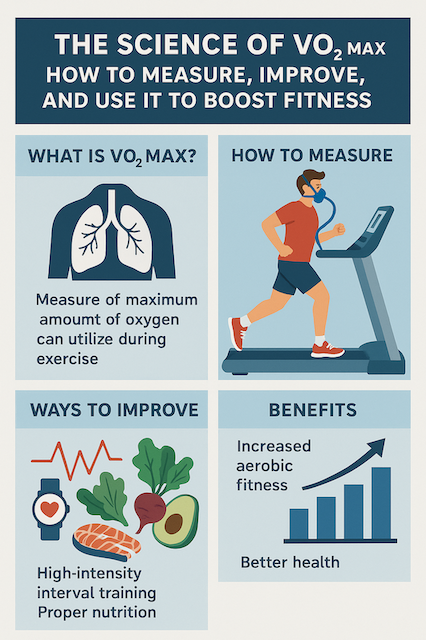
If it seems like VO₂ max is everywhere from your FYP (For You Page) on social media to background chatter at the gym these days, it’s because it is. So, what is VO₂ max? VO₂ max measures how much oxygen your body can use during intense exercise. Why is that important? Your VO₂ is a huge metric of your cardiorespiratory fitness and aerobic endurance. Both are important for fat burn and muscle building—not to mention that VO₂ gives a great benchmark for overall wellness. There’s no need for there to be a mystique around the VO₂ max definition. Come learn how to make this metric your friend for getting in the most empowered shape of your life.

The Science Behind VO₂ Max

VO₂ stands for Volume of Oxygen. Oxygen fuels our muscles, heart, lungs, and endurance—because it’s responsible for energy production. The oxygen in our bodies enables our bodies to generate enough of the ATP (adenosine triphosphate) that essentially serves as the main energy currency exchanged between cells. If we don’t have the oxygen needed for ATP generation, our bodies can’t efficiently use energy. This is where we get slow, sluggish, and exhausted.

When we exercise or do any activity that requires exertion and endurance, the heart and lungs work together to take in more air and pump more blood to deliver more oxygen to our muscles.

With all of this in mind, the VO₂ is the gold standard for cardiovascular fitness because a higher score indicates better physical conditioning and stronger recovery. VO₂ is important even if you don’t aspire to be a gym baddie. The simple truth is that higher VO₂ max is linked to stronger cardiometabolic health and lower mortality risk.

How VO₂ Max Is Measured

Let’s crack the science on how to measure VO₂ max. Traditionally, a VO₂ max test is only done in lab settings with doctors. This usually includes some type of incremental exercise test done on a treadmill or exercise bike while the participant wears a mask for gas analysis. VO₂ max testing is sometimes done in outdoor “field test” environments. In this scenario, the participant is usually running or walking over a set time or distance. Popular options are the 12-minute Cooper test or single-mile Rockport walk test.

More recently, VO₂ max monitoring has become widespread thanks to fitness trackers. Apple, Garmin, and Fitbit all have VO₂ metrics. Smartwatch trackers generally estimate VO₂ each time you record a fast-paced run or brisk walk using a combination of heart-rate monitoring and GPS tracking. While great for getting a general baseline for fitness purposes, smartwatch VO₂ max monitors are not considered as accurate as actual VO₂ testing in a controlled environment with professional equipment.

One study that looked at the validity of wrist-worn activity trackers for estimating VO₂ and energy expenditure found that these devices and apps are most likely not accurate enough to be used for sports or healthcare applications. Researchers behind the study also noted that the potential for performance-specific misjudgments of activity trackers could potentially lead to an increased risk of injury due to overload. Ultimately, these trackers should be viewed as simply “one more tool” for guiding workouts.

What’s a Good VO₂ Max?

It’s hard to throw out a general number. That’s because we look at VO₂ max values by age or athletic status when determining what’s ideal. The number you see for your VO₂ max score represents the maximum volume of oxygen your body uses per minute per kilogram of weight. We can very generically say that a good VO₂ max score is 45 to 55 (mL/kg/min) for men and 38 to 45 (mL/kg/min) for women. Anyone with a score above 50 is generally considered to be in excellent shape. Scores below 30 indicate that your body isn’t efficiently using oxygen during workouts. Here’s a breakdown of average VO₂ max range by age and gender:

Women:

  • 29 and under: 29 (Poor), 24-30.9 (Fair), 31-38.9 (Average), 39-48.9 (Good), 49 (Excellent)
  • 30-39: 19.9 (Poor), 20-27.9 (Fair), 28-36.9 (Average), 37-44.9 (Good), 45 (Excellent)
  • 40-49: 16.9 (Poor), 17-24.9 (Fair), 25-34.9 (Average), 35-41.9 (Good), 42 (Excellent)
  • 50-59: 14.9 (Poor), 15-21.9 (Fair), 22-33.9 (Average), 34-39.9 (Good), 40 (Excellent)
  • 60-69: 12.9 (Poor), 13-2.09 (Fair), 21-32.9 (Average), 33-36.9 (Good), 37 (Excellent)

Men:

  • 29 and under: 24.9 (Poor), 25-33.9 (Fair), 24-43.9 (Average), 44-52.9 (Good), 53 (Excellent)
  • 30-39: 22.9 (Poor), 23-30.9 (Fair), 41-41.9 (Average), 42-49.9 (Good), 50 (Excellent)
  • 40-49: 19.9 (Poor), 20-26.9 (Fair), 27-38.9 (Average), 39-44.9 (Good), 45 (Excellent)
  • 50-59: 17.9 (Poor), 18-24.9 (Fair), 25-37.9 (Average), 36-42.9 (Good), 43 (Excellent)
  • 60-69: 15.9 (Poor), 16-22.9 (Fair), 23-35.9 (Average), 36-40.9 (Good), 41 (Excellent)


Why VO₂ Max Matters

VO₂ is a key health indicator. Focusing on your VO₂ max is important if you’re striving for better metabolic health and longevity. A good VO₂ max can mean improved stamina, better overall fitness levels, and reduced cardiovascular risk. It can also simply help you to enjoy better athletic performance for running, cycling, swimming, and more. At Local Foodz, we offer a variety of customizable meal plans that support fitness and recovery by fueling muscles.

How to Improve VO₂ Max

You’re not stuck if your VO₂ max number is low. There’s plenty the average person can do to increase fitness levels and help their bodies optimize oxygen output.

  • High-intensity interval training (HIIT) is one of the best ways to improve your VO₂ max. A 2023 study shows that VO₂ max was significantly increased after HIIT compared to regular workouts. Additionally, Zone 2 cardio (steady-state endurance) is also great for boosting VO₂ max if you’re looking for a more moderate-intensity path to fitness. Performed at a consistent pace, Zone 2 cardio generally involves keeping a pace that’s 60% to 70% of your max heart rate. It’s ideal for both burning fat and building endurance.
  • Nutrition also matters for VO₂. Curated meal plans full of endurance-building foods that help to support oxygen transport to your muscles can help you eat your way to better performance. Think of iron-rich and high-protein foods, foods with plenty of high B vitamins, and foods with omega-3 fatty acids. Some of the best foods for improving VO₂ max scores include leafy greens, beets, sweet potatoes, fish, nuts, and eggs.
  • Consistency is key. Consider the path to an optimal VO₂ score as a long cross-country race instead of a sprint. Changing your VO₂ max score should be done with a method geared toward progressive overload—meaning you need to gradually increase the demand you place on your muscle. Doing too much too soon can lead to poor recovery or muscle injury. Being consistent with a muscle-building diet plan and exercise routine can get you to your ideal VO₂ max score without pain.

Myths and Misconceptions About VO₂ Max

  • You’re VO₂ max number doesn’t matter unless you’re an athlete. You may hear some people try to tell you this. It’s true that athletes use their VO₂ max scores as part of training. However, that doesn’t mean the average person aspiring for fitness can’t also use this important wellness indicator to shape their goals—and enjoy better, more fulfilling workouts and results.
  • You need the highest score possible. You also shouldn’t necessarily listen to people who are obsessed with getting the highest VO₂ max score possible. This is an individual benchmark. Talk to your doctor about reaching the best score based on your personal wellness goals.
  • Finally, some people will swear that you cannot shift your VO₂ max number with exercise and diet. That simply isn’t true. While your personal metabolic baseline may determine the amount of shifting possible, we can all improve this fluid metric with a little work.

How to Track Progress

The easiest way to start tracking your VO₂ max is with a wearable device or app. Get your full health spectrum in front of your eyes by combining VO₂ max with other metrics like heart rate, lactate threshold, and rate of perceived exertion (RPE).

When to Talk to a Professional About Your VO₂ Max

Consider a formal VO₂ test if you’re struggling with energy and endurance. For example, if you’re gasping for breath during workouts. Some people also get professional testing done before embarking on big fitness goals like running marathons or beginning intensive weight-training plans.

Give yourself grace by remembering that VO₂ max numbers drop naturally with age. However, a steep or very rapid decline can indicate a cardiovascular or respiratory issue. Let your doctor know if your numbers change dramatically without a known cause. Remember that reversible factors like dehydration, poor sleep, and recent illness can all cause VO₂ max to dip.

Key Takeaways

VO₂ max measures how much oxygen your body consumes while exercising. While commonly measured by athletes seeking to maximize endurance and recovery, VO₂ max is an important fitness and wellness metric for everyone. Oxygen-promoting exercises and foods can help you boost VO₂ levels.
Additional Source:

Whether your goal is to shed body fat or build lean muscle, your nutrition strategy will play a major role in your success. Meal planning for weight loss looks a bit different than meal planning for muscle gain. In this guide, we’ll break down the key nutritional differences between eating for fat loss versus eating for muscle growth – from calories and macronutrients to portion sizes – all in clear, beginner-friendly language. You’ll also learn how Local Foodz can support each goal with customizable meals, portion control, and a variety of menu options. Let’s dig in!

Understanding Your Goals: Fat Loss vs. Muscle Gain

First, it’s important to understand that weight loss and muscle gain are essentially opposite goals in terms of energy balance. Losing weight (specifically body fat) requires taking in fewer calories than you burn (a calorie deficit). Gaining muscle mass typically requires taking in more calories than you burn (a calorie surplus). In other words, you need to eat below your maintenance calories to lose fat, and above maintenance to gain muscle. The exact calorie targets will differ for everyone, but as a rule of thumb:

Calories are the most important factor when it comes to losing or gaining weight. However, the balance of macronutrients – protein, carbohydrates, and fats – in your diet will determine what kind of weight you lose or gain (fat vs. muscle). That’s where meal composition becomes crucial.

Macronutrients: Eating for Fat Loss vs. Muscle Gain

Your body needs a mix of protein, carbs, and fats, but the optimal balance can shift depending on your goal. Here’s a simple breakdown of how to approach macros for weight loss versus muscle gain:

  • Protein: Protein is your best friend in both cases, but especially for fat loss. High protein intake helps preserve muscle tissue during weight loss and keeps you full longer. For muscle building, protein is crucial to repair and build new muscle – you’ll want ample protein daily to support growth.
  • Carbohydrates: Carbs are the body’s main fuel source, especially for workouts. For fat loss, moderate your portions of starchy foods. For muscle gain, carbohydrates become extra important – they provide energy for intense training and help shuttle nutrients to your muscles for recovery.
  • Fats: Dietary fat is essential for hormone production and overall health. In a weight loss plan, include moderate healthy fats but watch the portion sizes since fats are calorie-dense. For muscle gain, include healthy fats to support overall calorie intake without crowding out protein and carbs.

Meal Planning for Weight Loss

When planning meals for fat loss, the aim is to reduce calories while still providing your body with nutrients (and enough protein to maintain muscle). Here are some tips for a weight-loss focused meal plan:

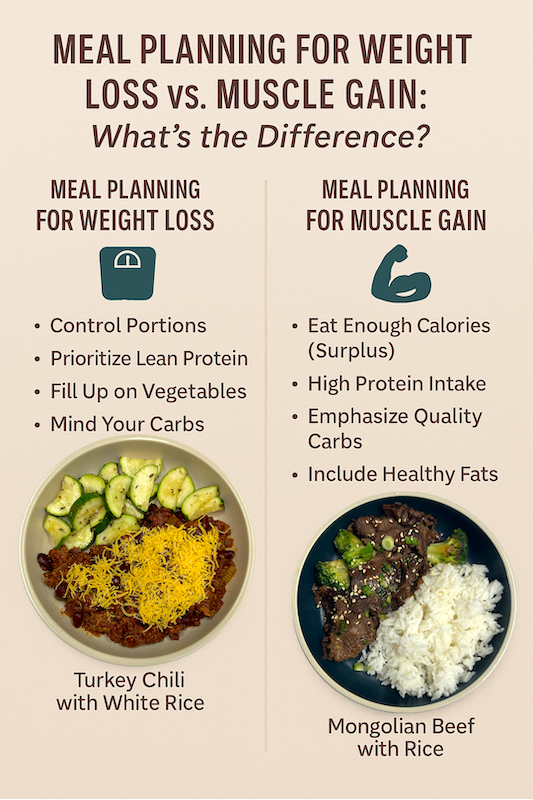
  • Control Portions: Creating a calorie deficit is much easier when you control your portion sizes. Use pre-portioned meals like those from Local Foodz, where each meal comes with a set calorie amount.
  • Prioritize Lean Protein: Include a source of lean protein in every meal. Protein has a high satiety effect, meaning it curbs hunger the most.
  • Fill Up on Vegetables: Vegetables are high in volume and fiber but low in calories – perfect for fat loss.
  • Mind Your Carbs: Choose quality carbs and keep portions moderate.
  • Include Healthy Fats (Moderately): Enjoy foods like avocado, nuts, seeds, or olive oil in small portions.
  • Calorie Guide: Many people will lose weight on somewhere around 1,200–1,800 calories per day. Focus on creating a consistent calorie deficit.

Meal Planning for Muscle Gain

Designing a muscle gain (bulking) meal plan is almost the opposite of weight loss – you need a calorie surplus and plenty of protein and carbs to build new muscle tissue. Key tips for a muscle-building diet:

  • Eat Enough Calories (Surplus): Start with a small surplus, such as 300–500 extra calories per day above your maintenance level.
  • High Protein Intake: A common guideline is around 0.7–1 gram of protein per pound of body weight per day.
  • Emphasize Quality Carbs: Include generous portions of carbohydrate-rich foods. Nutrient timing – eating carbs and protein soon after your workout – can improve recovery.
  • Include Healthy Fats: Healthy fats like nuts and olive oil add extra calories and support hormone production.
  • Meal Frequency: It may help to eat more frequently when bulking to get all your calories in without feeling overly stuffed.

How Local Foodz Supports Your Nutrition Goals

Local Foodz offers freshly prepared, nutritionally balanced meals with clearly labeled calories and macros. Here’s how we support each goal:

  • Customizable Meal Plans: Choose plans tailored to different dietary needs like low-carb for fat loss or high-protein for muscle building.
  • Precise Portion Control: Meals come portion-controlled with a specific calorie count and macro breakdown.
  • Macro-Balanced Meals: All meals are designed with lean protein, complex carbs, veggies, and healthy fats.
  • Menu Variety and Taste: Enjoy everything from grilled chicken to teriyaki salmon to vegetarian bowls.
  • Convenience: Ready-to-eat, goal-friendly meals make it easier to stay on track.

Local Foodz Menu Examples for Weight Loss and Muscle Gain

Weight Loss-Friendly Options

  • Turkey Chili with White Rice – A hearty but lean dish featuring ground turkey chili (8 oz portion) served with 4 oz of white rice. It’s packed with protein and flavor but comes in around just 430 calories per serving. This is great for fat loss – filling, calorie-controlled, and rich in protein.
  • Beef Bolognese (Lean Pasta Bowl) – A portion-controlled serving of pasta with lean beef tomato sauce, around 420 calories for the whole meal. This balanced dish provides protein from the beef and controlled carbs from the pasta.

Muscle Gain-Friendly Options

  • Mongolian Beef with Rice – This dish features tender beef in a savory sauce (5 oz portion of beef) paired with 5 oz of white rice. It delivers roughly 390 calories in a single plate, along with a hefty dose of protein. Ideal for muscle gain – calorie-dense and loaded with quality carbs.
  • Custom “Double Protein” Meal – Create a plate with 8 oz of grilled chicken breast, a generous serving of brown rice, and roasted vegetables. Our system allows up to 10 oz of chicken breast to pack in more protein and calories. Add cheese or sauce for more calories as needed.

Stay Motivated and Enjoy the Process

Whether you’re working toward a leaner physique or trying to add strength and size, remember that consistency is everything. With Local Foodz, healthy eating becomes convenient and sustainable.

You’ve got this – and Local Foodz is here to help every step of the way. 💪🥦🍽

Sources:

Introduction

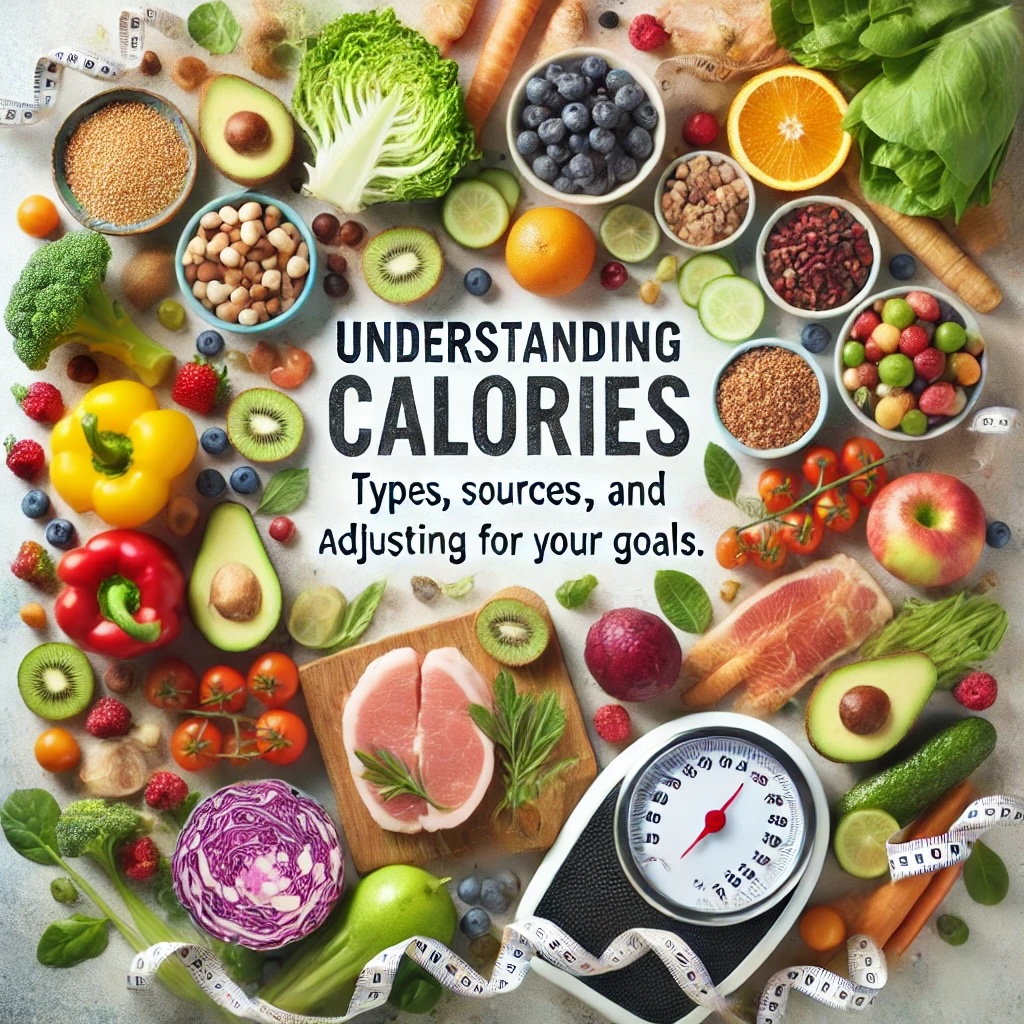
When it comes to nutrition and fitness, one term consistently stands out: calories. But what exactly are calories, and why do they matter? In this blog post, we’ll explore the different types of calories, their sources, and how much you should be consuming based on your health goals—whether you’re looking to lose weight, build muscle, or simply maintain a healthy lifestyle. We’ll also delve into how macronutrients (carbs, proteins, and fats) are calculated in terms of calories and why this knowledge is crucial for achieving your fitness objectives.

What Are Calories?

Calories are units of energy that our bodies need to function. Everything from breathing and circulating blood to walking and working out requires calories. The calories we consume through food provide the energy needed for these activities.

However, not all calories are created equal. The source of the calorie—whether it comes from a carbohydrate, protein, or fat—can have different effects on the body.

Types of Calories: Understanding Macronutrients

  1. Carbohydrates
    Carbohydrates are the body’s primary source of energy. They are broken down into glucose, which fuels our cells, tissues, and organs. Carbohydrates can be simple (like sugars) or complex (like fiber and starches). Foods high in carbohydrates include bread, pasta, fruits, and vegetables.
    • Simple Carbs: Found in foods like candy and soda, they are quickly digested and can cause rapid spikes in blood sugar.
    • Complex Carbs: Found in whole grains, legumes, and vegetables, they take longer to digest, providing a more sustained energy release.
  2. Proteins
    Proteins are essential for building and repairing tissues, making enzymes, and supporting immune function. Proteins are made up of amino acids, some of which the body can produce, while others must be obtained from food.
    • Complete Proteins: Contain all nine essential amino acids and are found in animal products like meat, dairy, and eggs.
    • Incomplete Proteins: Lacking one or more essential amino acids, found in plant-based foods like beans, lentils, and nuts. Combining different plant proteins can provide a complete amino acid profile.
  3. Fats
    Fats are crucial for energy storage, hormone production, and nutrient absorption. Like carbohydrates, fats can be classified into different types:
    • Saturated Fats: Found in animal products and some plant oils, they can raise cholesterol levels if consumed in excess.
    • Unsaturated Fats: Found in nuts, seeds, avocados, and fish, they are beneficial for heart health. These include monounsaturated and polyunsaturated fats.
    • Trans Fats: Industrially processed fats that are best avoided due to their association with increased heart disease risk.

How Macronutrients Are Calculated to Calories

Understanding how macronutrients contribute to your total calorie intake is essential for managing your diet effectively. Each macronutrient provides a specific number of calories per gram:

  • Carbohydrates: 4 calories per gram
  • Proteins: 4 calories per gram
  • Fats: 9 calories per gram

Let’s break down how these calculations work and how you can use them to plan your meals.

1. Calculating Calories from Carbohydrates

Carbohydrates are the body’s primary source of energy. To calculate the calories from carbohydrates in a given food, you can use the following formula:Calories from Carbohydrates=Grams of Carbohydrates×4Calories from Carbohydrates=Grams of Carbohydrates×4

For example, if you consume a meal with 50 grams of carbohydrates, the total calorie contribution from carbohydrates would be:50 grams×4 calories/gram=200 calories50grams×4calories/gram=200calories

2. Calculating Calories from Proteins

Proteins are crucial for muscle repair and growth, as well as various other bodily functions. The calculation for protein calories is similar to that of carbohydrates:Calories from Proteins=Grams of Proteins×4Calories from Proteins=Grams of Proteins×4

If a meal contains 30 grams of protein, the total calories from protein would be:30 grams×4 calories/gram=120 calories30grams×4calories/gram=120calories

3. Calculating Calories from Fats

Fats are more calorie-dense than carbohydrates and proteins, providing more than twice the number of calories per gram. Here’s how to calculate the calorie content from fats:Calories from Fats=Grams of Fats×9Calories from Fats=Grams of Fats×9

For a meal with 20 grams of fat, the calorie content from fats would be:20 grams×9 calories/gram=180 calories20grams×9calories/gram=180calories

Putting It All Together: Total Caloric Intake

To find the total caloric content of a meal, add the calories from carbohydrates, proteins, and fats:Total Calories=Calories from Carbohydrates+Calories from Proteins+Calories from FatsTotal Calories=Calories from Carbohydrates+Calories from Proteins+Calories from Fats

For instance, if your meal has 50 grams of carbohydrates, 30 grams of protein, and 20 grams of fat, the total caloric intake would be:200 calories(carbs)+120 calories(proteins)+180 calories(fats)=500 calories200calories(carbs)+120calories(proteins)+180calories(fats)=500calories

How Many Calories Should You Be Eating?

The number of calories you need depends on several factors, including age, sex, weight, height, and activity level. Here’s a rough guideline:

  • Sedentary Individuals: For those with little to no exercise, daily calorie needs range from 1,600 to 2,400 for women and 2,000 to 3,000 for men.
  • Moderately Active Individuals: For those who engage in moderate exercise a few times a week, the range is about 1,800 to 2,600 for women and 2,200 to 3,000 for men.
  • Active Individuals: For those with a high activity level, daily calorie needs are approximately 2,000 to 2,800 for women and 2,400 to 3,200 for men.

To determine your specific calorie needs, consider using a Total Daily Energy Expenditure (TDEE) calculator, which factors in Basal Metabolic Rate (BMR) and physical activity level.

Here are some reliable Total Daily Energy Expenditure (TDEE) and Basal Metabolic Rate (BMR) calculators:

  1. TDEE Calculator:
  2. BMR Calculator:

These calculators provide detailed results based on your input data, such as age, weight, height, activity level, and body composition.

Adjusting Calories for Weight Loss

To lose weight, you need to consume fewer calories than your body burns, creating a calorie deficit. A deficit of about 500 calories per day is generally recommended for gradual and sustainable weight loss of about 1 pound per week.

  • Track Your Intake: Use apps or food journals to monitor your calorie consumption and ensure you’re maintaining a deficit.
  • Focus on Nutrient-Dense Foods: Choose foods rich in vitamins, minerals, and fiber, such as fruits, vegetables, lean proteins, and whole grains.
  • Avoid Empty Calories: Limit foods high in sugar and unhealthy fats, like sugary beverages, processed snacks, and fast food.

Adjusting Calories for Muscle Gain

To gain muscle, you need to consume more calories than your body burns, creating a calorie surplus. This allows your body to use the extra energy to repair and build muscle tissue after workouts.

  • Increase Protein Intake: Protein is essential for muscle repair and growth. Aim for at least 1.2 to 2.2 grams of protein per kilogram of body weight.
  • Incorporate Strength Training: Combine your calorie surplus with a consistent strength training regimen to maximize muscle growth.
  • Monitor Progress: Regularly track your body composition and adjust calorie intake as needed to avoid excess fat gain.

Finding Your Balance: Calories and Maintenance

If you’re happy with your current weight and body composition, your goal is to maintain a balance between the calories you consume and the calories you burn. This is called caloric maintenance.

  • Listen to Your Body: Pay attention to hunger cues and avoid eating out of boredom or stress.
  • Practice Portion Control: Use smaller plates, and be mindful of serving sizes to avoid overeating.
  • Stay Active: Incorporate a mix of cardiovascular exercise, strength training, and flexibility work to support overall health.

Final Thoughts

Understanding calories and their role in nutrition can empower you to make informed dietary choices that align with your health goals. Whether you’re looking to lose weight, gain muscle, or maintain your current state, the key is to balance calorie intake with your body’s needs. Remember, it’s not just about the quantity of calories but also the quality of the foods you choose.

Linked Sources:

Eating healthily for newbies can be a daunting task. Eating healthily for a newbie that has health complications like managing a chronic disease, living with a restrictive diet, and managing other elements of their life can feel like an impossible task. That is unfortunately why some people fall victim to fad diets, yo-yo dieting, and end up worse than when they started. 

But how does one manage to put themselves in any sort of restrictive lifestyle themselves while dealing with medical, social, and psychological pressures? Navigating daily life while trying to achieve a healthy and fitness goal can get pretty complicated. These are just some of the reasons someone should seek the help of a dietician. 

Dietitians are the experts in the area of Nutrition & Nourishment. Most of us may think of them as someone that treats people with obesity and weight issue, but there is so much more to it. 

A dietician can not only help you navigate healthy foods but also help you navigate healthy foods based on your pre-existing conditions. This may involve managing a chronic disease, re-storing your gut health, managing inflammation, and optimizing your lifestyle so your look and feel your best. We now know that what you eat on a day-to-day basis along with your other daily habits like exercise and meditation have a direct impact on your long-term health.

There are many things in life that we can’t plan for except our health. There are many studies and articles that support a balanced diet and exercise plan leading to a healthier lifestyle. However, it’s hard to put into practice without a plan.

Seeking advice from a Dietitian can help:

1. Create a Customized Plan

Customized meal plan tailored for your specific requirements is the first step to your weigh loss journey.  A customized meal plan takes into account food allergies, caloric intake, protein requirement, food preferences and food intolerances. It gives you the freedom to enjoy foods that you love and make it easier to build a habit around it.

2. Meal Prep

Having a roadmap helps with meal prep, giving you a chance to have have better control of your weight loss. It decreases the time you spend for meal prepping and opens the door for variety foods.

3. Save Money

A customized meal plan saves you time & money by making planning and shopping easier and purposeful.

4. Metabolism Boost

Regular meals and snacks ensure that you have a balanced diet reducing cravings and hunger. It is a great way to reboot the metabolism and creating a healthy habit.

5. Accountability

The continual support/ coaching & guidance helps to keep you accountable and as a result have a better success.

6. Community Building

Being a part of a healthy community is the best part. People are often inspired to achieve their own goals by seeing examples of similar individuals that are further along in their journey. 

Former competitive weight lifter and personal trainer Laura Khoudari turned to weight lifting to help her cope with trauma. Let’s take a look at how it can help.

In her book “Lifting Heavy Things: Healing Trauma One Rep at a Time,” former competitor Laura Khoudari details the benefits that she got from strength training after experiencing a trauma that left her with PTSD symptoms.

So, is lifting the best way to unburden yourself from a heavy emotional load? It turns out that weight lifting can do more than just keep you physically fit. It may also play an important role in mental and emotional fitness. Researchers have found that weight lifting can actually help people to deal with trauma.

While the official term for using weight lifting as part of a wellness plan in collaboration with a professional is called trauma-informed weight lifting, the truth is that anyone can tap into the potential benefits of lifting to overcome powerful emotional hurdles. The idea of lifting for mental health isn’t all that radical once you consider the relationship between physical activity and mental health.

A 2019 study found that three weeks of high-intensity resistance exercise is a feasible intervention for post-traumatic stress syndrome (PTSS) reduction in non-treatment-seeking adults who screen positive for PTSD and anxiety.

Is it time to find a new way to handle trauma that is limiting what you can enjoy, experience, and accomplish in your life? Learning about the ways that lifting helps to rewire the mind and body is the first step.

Take a look at the role weight lifting can play in healing trauma.

Understanding the Physical Effects of Trauma on the Body

While many people connect the idea of trauma with things that are happening in the brain, the truth is that trauma is often a whole-body experience with whole-body aftershocks. When we’re in a state of dealing with trauma, the nervous system is overtaxed. As a result, it becomes less resilient against stressors. This should sound relatable to anyone who has ever dealt with trauma.

When trauma responses kick in, it can be difficult to focus on tasks, relationships, personal hygiene, and other life responsibilities. It’s also very common to experience pain, sickness, low energy, digestive issues, and general feelings of being unwell when in a state of trauma response.

While it may be tempting to dismiss these symptoms as simply being psychological responses that begin in your head, the reality of trauma is that it depletes the nervous system to the point where people are much more likely to be susceptible to pain, illness, and injury.

Trauma doesn’t necessarily have to be “fresh” to create intense pain response in the body. Researchers have known for a long time that there’s a distinct connection between adverse childhood response and chronic pain.

Why Is Weight Lifting Such a Powerful Tool for Managing Trauma?

The key behind why weight lifting is such a powerful tool for managing trauma comes down to resilience. Trauma is often closely linked with feelings of helplessness. A person who is in the midst of a trauma response may feel that they are not safe. They may also feel powerfulness against the thoughts, fears, and vulnerabilities that surround them. In addition, people with trauma often feel disconnected from their bodies. In some cases, dissociation serves as a defense mechanism for trauma survivors to escape the discomfort and uncertainty of being present in their own bodies. Weight lifting can help to address many of the core needs of people suffering with trauma.

Mindfulness

While it’s easy to think of the brawn associated with weight lifting, the truth is that lifting is actually a mindfulness activity at its core. During a lifting session, awareness, vagal tone, and parasympathetic nervous system activation are heightened. Weight lifting forces a person to focus on the present state of their body in a way that helps many people to reach a state of self-regulation that they can’t easily reach on their own.

People who lift weights must pay attention to the feeling of every muscle fiber, skin cell, and nerve involved in the process. In fact, being completely attentive during weight lifting is essentially “forced” simply because paying attention is essential for safety.

For someone who has spent time disconnecting from their body, this can be a very centering experience. Weights make a person aware of their body in an undeniable way. For instance, a person who has experienced abuse or violence may unknowingly walk around disconnected from the areas of the body that were involved in the abuse experience.

When a person interacts with a weight or barbell, they are often able to reconnect with that part of the body while coming from a place of strength instead of reacting from a place of helplessness. In many ways, weight lifting can be a reclaiming of bodily autonomy for people who have felt violated.

The lack of distraction required during weight lifting can also have a very centering effect. People dealing with trauma will often use distractions to try to avoid the emotions, thoughts, and sensations that cause discomfort. A lifting session provides an opportunity to focus intensely on a single task without any distractions.

Resilience

Lifting in a trauma-informed way also fosters resilience. Many people with trauma feel weak. While lifting may feel intimidating at first, it’s actually the difficulty of this task that creates the reward of confidence. The truth is that every person can benefit from trying new things. That’s because the thrill of getting over fear and reluctance to try something new triggers a rush of endorphins and dopamine. This fact alone is a good enough reason to try out lifting if you’re struggling with trauma. However, trauma-informed lifting provides the added benefit of increasing a person’s sense of agency.

For someone struggling with trauma, the empowerment that comes from using their body in a powerful way to achieve something hard helps the brain to rewire itself to create positive relational connections with the self.

Lifting as part of a trauma-focused group of people who have gathered together to empower one another can increase the benefits of these positive connections by extending them to include others. People who have struggled with “opening up” to others may find that the bonding experience of lifting while vulnerable in a group helps them to feel more connected to others again.

Of course, the actual physical strength that is gained through continual lifting has all kinds of implications. First, many people suffering from trauma find that watching their bodies become physically stronger through lifting helps them to turn their bodies into manifestations of self-trust.

Rediscovery of Goals and Curiosity

For someone who has been living in survival mode due to trauma, the idea of being curious, ambitious, or driven by goals can seem foreign. Trauma sufferers have often lived so long in a state of merely trying to avoid triggers that they abandon all of the optimistic, vulnerable, and future-focused aspects of life. Lifting can give those things back to them.

Purpose

Knowing that you’re expected at the gym can be an incredible motivation for showing up. When people make lifting a priority, they are driven by a purpose that can be seen, felt, and measured. Having a sense of purpose isn’t just about feel-good Hallmark sentiments. According to research, purpose is actually a matter of survival. A study published in 2019 found that having a sense of purpose is linked with a lower risk of death.

Should You Consider Weight Lifting for Trauma Healing?

There’s some really promising work being done right now on the relationship between trauma healing and weight lifting. However, lifting shouldn’t be seen as a “cure” for trauma that should replace any of the existing work you’re doing with a trauma-informed therapist. It’s also important for people to avoid placing pressure on themselves that will leave them feeling as though they’re doing something “wrong” if lifting doesn’t work for them. It’s not a replacement for therapy.

The reality is that a lifting session at the local gym is not enough to unfurl years of deep trauma that have drastically altered your nervous system. However, trauma-informed lifting can be part of a process of healing that allows a person to help regain resiliency and self-trust by connecting with their body in a positive, mindful way.

Finally, it’s important to have realistic goals when going into lifting. You should know that it can take people years of training to reach goal weights. Always prioritize your health and wellness above “wins” in the gym.

If you’ll be changing your workout routine as part of a wellness plan for your mental health, make sure your dietary habits are up to speed with your new needs. That means lots of healthy fats, lean proteins, leafy greens, fruits, and legumes. In addition, you’ll need to keep your hydration levels on pace with the new demands you’re placing on your body. Make a plan to compensate for all fluids lost by your body through sweat with extra water. Preparing for healing through lifting can be an important part of the self-care aspect of the process!

Is it possible to eat healthy when you’re busy? When all know the way that “the crunch” of life can leave us reaching for something crunchy and sweet. While snacks and comfort foods can feel like self-care at the moment, they often leave us feeling tired, irritable, and less productive after the rush wears off. This creates an unhealthy cycle of continuously reaching for processed foods for “quick energy” before crashing again.

How Do Busy People Manage to Stay on Top of Their Healthy Eating Habits?

It takes accountability, planning, and a willingness to get creative when it comes to powering through the common pitfalls that make smart food choices fall to the wayside. The truth is that being too busy to eat healthy foods isn’t just an excuse. This is a real challenge that many people face daily as they try to juggle work and home life demands. Luckily, there are some tips that can change everything.

Take a look at the life hacks people use to eat healthy even when there’s no time.

Start Every Single Morning on the Right Track

From a psychological standpoint, getting back on track can be very hard once you start the day in the wrong place. Breakfast sets the pace for the choices you’re going to make for the rest of the day.

First, there’s the mental impact that the first bite of the day makes. If we’re reaching for a big, sugary, sticky bun because it feels like an easy choice, we may feel that trying to eat healthy for the rest of the day is “pointless” because we’ve already gone off track.

The wrong breakfast can also sabotage us on a physiological level. The truth is that a dessert-like breakfast will send us on a downward crash just a few hours after breakfast. That means we’re likely to be hungrier than we would have been with a breakfast choice that provided steady energy.

How do you fix the breakfast trap? Protein is great for this! You’ll also want to focus on breakfast items with fiber that will help you stay fuller. Some breakfast items that can help you to feel full and satisfied in the morning without setting you up for a crash include egg scrambles, overnight oats, and whole-egg frittatas.

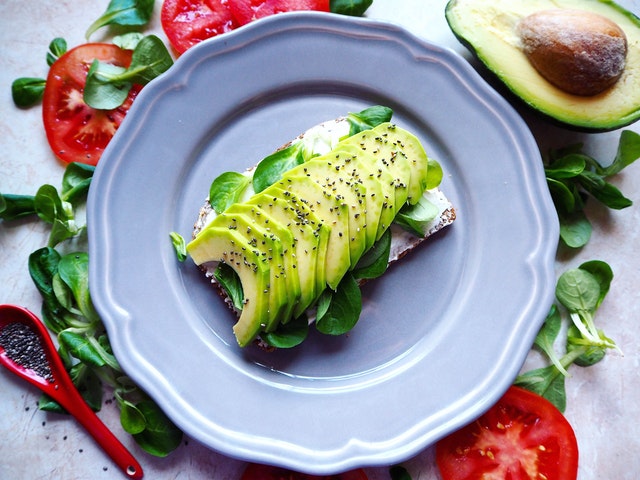
Carbs aren’t necessarily off the table just because you’re focused on avoiding the spike that often comes from eating bread and cereals in the morning. It’s all about how you balance the right carbs with protein. For instance, avocado toast, banana pancakes, and a bagel topped with salmon and cream cheese can create sustained energy.

Never wake up surprised! What that means is that you should always have your breakfast planned a day in advance to avoid the “panic” of having to find something healthy to eat in a pinch while trying to get out the door. Don’t go to bed without having breakfast waiting in the fridge.

Don’t Undereat

One common mistake people make when trying to eat healthy on a very tight schedule is to undereat. This often leads to overeating later in the day. For example, you might rely on a restaurant near your office because it’s the “easiest” way to get lunch. You settle for a flimsy salad that consists of little more than lettuce, some cucumber slices, and a handful of tomato cubes because you’re trying to “eat healthy.” The problem with this is that you’re simply not eating enough of what your body needs for fuel. Have a real lunch when you’re having lunch! This could mean a quinoa salad, chick-pea salad, Korean BBQ wrap, chicken fajita, or Buddha bowl.

Keep Your Kitchen Organized

While the status of your kitchen may seem unrelated to your health, the truth is that you can’t know what to eat unless you know what there is to eat. We often lose track of the healthy ingredients we’ve stocked away because they aren’t in our direct line of sight.

A highly organized fridge is one of the ways that many healthy eaters stay on track. One tip is to reserve an organized area of your fridge specifically for meal-prep foods that are labeled by day. This eliminates the potential for making an impulsive choice because your meals have been carefully planned for you based on what day it is. You won’t have to dig through the rest of your fridge to put ingredients together because it’s all waiting for you in a designated spot.

Eat Plenty of Unprocessed Foods

Making a commitment to focus on unprocessed foods is one of the best ways to stick to a healthy eating plan. Prioritize whole grains, vegetables, fruits, seeds, and nuts over other types of foods. These foods add fiber and nutrients to your diet that can help to promote weight loss, maintain bowel health, keep blood sugar levels in check, and lower cholesterol levels.

Eat the Same Portions Every Day

Consistent portions help you to keep your appetite regulated. When we change up portion sizes, we are often left feeling either “bloated” or “peckish” when a meal is over. While this doesn’t mean you need to eat the same thing every day, it does mean that trying to stay in the same portion range every day for breakfast, lunch, and dinner can help you to enjoy consistent rates of fullness each day.

Eat at the Same Time Every Day

This next tip goes along with keeping the same portion sizes for each meal. Eating meals at the same times each day helps you to work healthy eating into your daily routine. This can be especially important during times when it feels like long, busy work weeks are sweeping us up in a wave that we can’t control.

Don’t work through dinner! Scheduled mealtimes help to create a sense of control and balance during times of intense busyness. In addition, having a set mealtime means planning each meal intentionally instead of waiting until you’re overly hungry to decide what to eat.

Make a List

Never underestimate how much being busy can cause you to get off track with even the simplest things in life. Once you find a meal that works for your tastes, be sure to write it down as part of a list of go-to favorites you can recreate weekly. You’ll appreciate having a list to refer to instead of trying to find the names of meals online again. This list can eventually become your meal plan for healthy eating.

Be Consistent Enough That You Can Afford to “Cheat”

There’s no need to make healthy eating feel restrictive. For many busy people, meals with other people happen pretty frequently. One of the best ways to find balance is to plan to control every meal you can control while simply making the best choices possible when you don’t have control. What does this look like? While you may only be able to plan breakfast and dinner on your own before heading out to a “work” dinner, you’ll at least have the structure in your diet that comes from staying consistent during two out of three meals a day.

Planning breakfast, lunch, and dinner for healthy eating during the week will leave you with many options for “splurging” on the weekends without feeling like you’re getting off track. When you have a weekly plan, you always know that you’ll be back on your path of healthy eating by Monday.

Use Professional Meal Planning and Delivery

There comes a point when we all have to admit that healthy eating takes commitment. Maintaining a healthy diet that also leaves you satisfied simply isn’t something that you can pull off without some planning. This is where using a professional meal planning and delivery service comes into the picture. The reason why meal planning is so popular at the moment is because many busy people have done the math on the value of their time versus the amount of time it takes to plan, create, and pack healthy meals for an entire week.

Eating healthy when you lead a busy lifestyle isn’t easy. In fact, eating habits often begin to slide when tight deadlines, long nights, and busy weekends full of commitments all fuse together to leave you with a full calendar that doesn’t leave much time for planning, cooking, and storing your meals.

While it can be easy to let busyness become an excuse for not eating the best foods possible, proper planning is the key to enjoying the health benefits that come from keeping yourself accountable for your nutritional choices.

No, your weight plateau isn’t all in your head. It’s also not necessarily a reflection of your effort. However, you still have the power to turn it around.

Plateauing can be one of the most frustrating aspects of weight loss. In fact, the plateau period is considered a “danger zone” in a weight loss journey because many people abandon their regiments after feeling like all of their efforts are “for nothing.”

The good news is that there are ways to keep your mind, heart, and body in the game even when plateaus slow you down.

Here’s a simple guide to pushing past plateaus when trying to lose weight.

Why Do Plateaus Happen During Weight Loss?

Plateaus can feel incredibly frustrating because they occur after what seems like a successful start. Suddenly, the brakes get hit on consistent weight loss. All of your “old tricks” stop working. Why? One theory is that weight plateaus happen because your body has finally “caught on” to your plan to lose weight. Your body then adjusts to protect itself against further weight loss. However, some researchers reject this explanation. They chalk weight plateaus up to the fact that most people begin to relax their diet plans after a few months. There’s also the glycogen explanation.

What does glycogen have to do with weight plateaus?

During the first few weeks of cutting calories, it’s very common to see rapid drops in weight. This phenomenon happens because the body is getting the energy it needs by releasing your stores of a carbohydrate called glycogen found in the muscles and liver. Something interesting about glycogen is that it releases water when it’s burned for energy. This is precisely why a lot of the “weight” that is lost very early on during a diet is actually water weight. However, this isn’t why weight loss eventually plateaus. The reason for the plateau has to do with the fact that you lose both fat and muscle when glycogen is burned. Muscle burns more calories than fat. That means that inevitable losses in muscle mass that stem from weight loss will actually begin to slow your metabolism over time, even if you’re sticking to the same diet that helped you to seamlessly drop those initial pounds.

What does this mean for your weight loss journey? It’s time for a pivot. For some people, the answer may be to stick to the same approach to maintain weight loss instead of trying to lose more weight. Others may feel that they want to keep on going. This may require you to increase physical activity, decrease calories, or do some combination of both.

Pushing Past Plateaus: Practical Tips for Continuing to Lose Weight

The good news is that you are unlikely to go backward in your weight loss as long as you stick to the regimen that helped you reach your plateau weight. The big thing is to avoid the temptation to allow the frustration of a plateau to cause you to backslide. There are also many changes you can introduce into your current plan that will help you bust through the walls of your plateau to resume weight loss. Take a look!

#1 Confirm That a Plateau Is Really a Plateau

The first step is to do an audit of recent habits to verify that you’re experiencing an authentic plateau instead of simply seeing the results caused by relaxing your habits. Research shows that “off-and-on” loosening of diet and exercise plans can contribute to plateaus. If your weight loss has slowed down due to poor habits, you may only need to establish a goal of getting back on track with the rules you were following.

#2 Reduce Calories

You may not need the same amount of calories you needed in the beginning if you’ve lost fat and muscle. Of course, calories should never be restricted to dangerous levels. Eating fewer than 1,200 (women) to 1,500 (men) calories per day is too low for most people and can result in various adverse side effects, including headaches, dizziness, and fatigue. Also, less than 1200 calories may not be enough to keep you from constant hunger. However, reducing food intake if your calorie needs have changed can help you get past a plateau. 

How do you know if your calorie needs have changed? It is a good idea to calculate your today daily energy expenditure. There are many online calculators you can use to calculate TDEE. These will give you an idea of how many calories you need to consume to lose weight at your current activity level. You can create a calorie deficit by subtracting from this number.

Reducing isn’t always recommended for fighting plateaus for one simple reason. If your calorie intake is already consistent with your TDEE for weight loss, then the plateau may just be temporary. In that case, the focus should instead be on relying more and more on healthy, nutrient-dense foods that allow you to feel satisfied, provide energy for workouts, and make it easier to avoid “snack traps” caused by feeling famished. Make sure you’re giving your body food it can use instead of packing in food that can easily be stored as fat.

#3 Increase Your Workouts

Most experts agree that ramping up exercise is one of the best ways to get over a plateau. It’s not just about exercising more. Switching to more intense forms of exercise can help you get more dramatic results without a more considerable time commitment. A person who usually walks or jogs might consider high-intensity interval training (HIIT) workouts instead. Weightlifting can also be an excellent way to push past a plateau because building muscle will put you in a position to burn more calories. It might also be time to simply think about ways to live a more active lifestyle that builds more “natural” exercise into your daily life. This can mean ditching the car in favor of a bike during the morning commute, taking a walk during your lunch break, or scheduling an extra gym session into your daily plan.

#4 Get Enough Sleep

Yes, poor sleep can sabotage your weight loss plans! In studies, consistent amounts of adequate sleep were linked with improved weight loss outcomes. Sleep deprivation can lead to an increase in the production of a hormone called ghrelin, which is often referred to as the “hunger hormone.” An increase in ghrelin is why we are often compelled to reach for “comfort foods” after a night of poor sleep. While improving sleep quality and duration is the most important way to fight off the effects of ghrelin, it’s also essential to have high-protein, satisfying breakfast options waiting for you on those mornings when you know you’re going to be waking up to a feeling of deep hunger.

#5 Reduce Stress

Taking steps to reduce chronic stress can help you to reach your weight loss goals more quickly. In fact, research links stress with obesity. Managing stress can help you to avoid the phenomenon of “stress eating” that causes so many people to absentmindedly grab for chips, candy, or soda when stressful meetings, tight deadlines, or conflict throw the central nervous system into a tailspin.

Reducing stress isn’t always easy when so many external factors are at play. However, practicing meditation techniques, taking daily walks, and avoiding high-sugar foods that spike blood sugar can all help you to maintain a sense of calm that stops spiking stress hormones from throwing your body out of whack.

#6 Add More Fiber to Your Diet

Fiber has been credited with helping people to break through weight loss plateaus. Soluble fiber is beneficial because it helps to slow down the movement of food through your digestive system to help you feel fuller longer. Fruits, vegetables, whole grains, and legumes are all great sources of soluble fiber. However, the list of superstar foods for soluble fiber includes oats, avocados, chia seeds, flax seeds, and black beans.

A Plateau Isn’t the End of the Story

Don’t let a plateau stop you in your tracks. A weight loss plateau shouldn’t be seen as an obstacle. It should instead be viewed as a signal that it’s time to readjust your method to give your body an updated plan for what it needs for this next leg of your fitness journey. It’s more than possible to emerge from a plateau stronger, fitter, and more determined than ever before. Of course, moving forward fully prepared to fight off the cravings that cause most people to get crushed by plateaus is the most important thing you can do. Meal preparation that anticipates your needs is essential for getting the fuel needed to stay the course, thrive in your daily life, and avoid letting a plateau turn into a full backslide into your former habits.

Do you feel like you are doing everything you can but are still not losing weight? Wondering what is going on? The answer might have to do with insulin.

Insulin could be what is preventing you from reaching your weight loss goal. Most people completely overlook insulin in weight loss because they assume that it’s something that only people living with diabetes need to worry about. Nothing could be further from the truth. Insulin is something that anyone who is trying to lose weight needs to pay attention to.

What Does Insulin Have To Do With Weight Loss?

Insulin is a hormone that’s produced in the pancreas. The role of insulin is to regulate the body’s blood glucose levels. When your insulin levels rise, any fat burning that your body is doing stops. The release of insulin encourages the storage of your incoming calories. Typically, the body will resort to storing those new calories as fat.

Why is this a problem if you’re trying to lose weight?

The constant signal to store fat from incoming food means that the body never gets a chance to begin burning off its own stored fat.

Which foods make insulin levels spike? Typically, foods high in carbohydrates are the worst culprits for elevating insulin levels. Being strategic with your blood sugar when planning meals can be a great way to ensure that insulin levels stay stable. Besides helping the body burn fat, stable insulin levels will also help you avoid the highs and lows of sugar crashes.

Let’s take a look at some tips for how to lower insulin levels for weight loss.

The First Step: Know Which Foods to Avoid

Which foods make insulin levels spike? First, it’s essential to know that an insulin-minded diet doesn’t necessarily have to be a “no carbohydrate” diet. It’s all about balancing your diet with the right types of carbohydrates to avoid spikes. Pairing carbs and protein can help you stay fuller longer without your body “holding on” to the energy instead of burning it off.

Generally, you’re trying to avoid any foods that have what is referred to as a high glycemic index when planning your meals. Having a high glycemic index means that a food is digested very quickly and easily by the body. You can understand what that means by thinking about how quickly you’re famished again after polishing off a big, fluffy wheat muffin for breakfast.

Some foods that are known to raise insulin levels include:

  • White grains. These include white bread, pancakes, muffins, bagels, pastries, and pasta. Choose whole-grain foods instead.
  • Sugary, sweet juices and sodas. Even diet sodas can be problematic as some sweeteners in diet soda have been found to cause insulin spikes in the blood.
  • Refined carbohydrates. Consuming too many refined carbohydrates can raise insulin levels. Examples of these include pizza, white rice, and breakfast cereals. 
  • Foods with added sugars. Avoid things like pies, cakes, cookies, and donuts.
  • Limit fast food. Popular foods from places like McDonald’s and Wendy’s often have high levels of sugar and saturated fats, which cause insulin levels to shoot up quickly.
  • Avoid large servings of starchy vegetables. Examples of these types of vegetables include potatoes and corn.

Generally, most kinds of candy, cookies, and desserts contain high levels of carbohydrates and sugars. Even some foods that are naturally insulin-friendly foods can cause spikes if they are prepared using sugar and additives. An excellent example of this would be anything ordered off the menu at a fast-food restaurant. While a grilled hamburger with some potatoes might be great for keeping insulin levels stable in a normal situation, the way that fast food is prepared means that everything from the bun to the burger probably contains high amounts of sugar.

Of course, cutting out refined carbohydrates doesn’t mean you have to only eat protein. There’s room in an insulin-friendly diet for tons of vegetables, fruits, dairy products, coffee drinks, and other things you don’t want to live without.

Be Aware of the Sleep Connection

Woman sleeping
Photo by Ketut Subiyanto from Pexels

Did you know that sleep deprivation causes blood sugar to increase? Most people don’t know this! The spike in blood sugar that happens when we don’t get enough sleep leads to increased insulin secretion. If you’re struggling with weight management, the problem may have at least some connection to your sleep schedule. Most people need anywhere between seven and nine hours of uninterrupted sleep every night to function at their optimal capacity.

Just a single night of sleep deprivation can induce insulin resistance in healthy subjects, according to a 2010 study. It’s crucial to guard your sleep as though your health depends on it.

While it’s very common for people to try to “steal back” hours by staying up late, the truth is that sleep deprivation makes all of the work you’re doing with dieting and exercise less effective. Claiming time for sleep helps to make the time you spend on your health create more significant results.

Embrace the Low-Carb Life

Carbohydrates are an essential source of energy. Research has shown that following a low-carb diet can help reduce insulin levels. However, carb-heavy foods can raise insulin levels quite dramatically. Eating low-carb foods can also help decrease hunger, helping you feel satiated and making losing weight easier. 

Low carb diets have other benefits that go beyond lowering insulin levels. There is evidence that low-carb diets may help reduce cholesterol levels and lower the risk of heart disease. One large study, published in the American Journal of Clinical Nutrition, examined the impact of a low-carb diet on the risk of heart disease in people who were overweight and obese. Study participants who ate a low-carb meal plan showed significant improvements in their cardiovascular disease risk factors.

Tip for going low-carb: The critical thing to remember is that any diet that you follow has to be sustainable for the long term. It’s essential to avoid plans that are too restrictive. Choose healthy meals that you enjoy eating that consist of plenty of protein and healthy fats.

Exercise Regularly

Athlete stretching
Photo by Andrea Piacquadio from Pexels

Yes, exercise is terrific for regulating insulin levels naturally. Most of us know we should exercise using cardio and strength training several times per week to burn calories and build muscle. However, what many people don’t realize is that exercise can help with weight loss beyond these two benefits.

During exercise, the body burns a form of glucose called glycogen stored in the muscles. The body then needs to restore glycogen levels following exercise. It gets that new glycogen by taking glucose stores from the bloodstream in a way that helps to improve insulin sensitivity. The benefits increase as exercise intensity increases! Some great ways to balance insulin levels for weight loss include walking, running, resistance training, and strength training.

The Bottom Line on How To Lower Insulin Levels Naturally for Weight Loss

Focusing on insulin when planning your diet just means looking at your diet from a hormone-based perspective. Knowing how to lower insulin levels for weight loss requires awareness of how different foods affect the body. Ideally, you’re focusing on foods that help to stabilize blood sugar levels instead of creating constant spikes.

💡Important To Remember: Refined carbohydrates create a constant cycle of spikes and falls that can cause you to eat more than intended. That’s because spikes cause us to go from feeling full to feeling famished with very little “stabilization” in the middle.

How To Avoid Refined Carbohydrates

One of the best ways to avoid excessive refined carbs is to plan your meals ahead of time.

It’s easy to reach for what’s easy and delicious when we are hungry. This fact is especially true when it’s time to finally think about dinner after a long work day. Carbohydrate-heavy foods are easy to prepare quickly. However, they don’t offer the benefits of whole grains, lean protein, and leafy greens that you get from a carefully balanced meal.

If you’re worried about the connection between insulin and weight loss, it may be time to consider creating a formalized meal plan to get your body in the right cycle for burning fat instead of storing it. One way to get on track is by using meal prep to enjoy breakfast, lunch, dinner, and snack options offering perfectly balanced nutrition. Waking up to a filling, protein-rich breakfast bowl instead of feeling like you have to reach for sugary cereal can set the pace for a completely different kind of day!

Lastly, it’s important to remember that “hacking” your insulin levels to lose weight isn’t just an issue of vanity. It’s truly a matter of getting your body in optimal condition to burn fat, have more energy, and feel better than ever. Plus, the same benefits that help you to lose weight when you’re taking insulin into consideration will help you to reduce your risk of developing diabetes.

Yes, you can enjoy delicious restaurant meals if you are trying to lose weight. Here’s how.

You’ve probably heard time and again that you should avoid eating at restaurants if you are trying to lose weight. But is eating out at restaurants off the menu just because you’ve committed to a diet plan? Not at all! It’s crucial for any diet plan that you choose to work as part of a well-rounded real-life experience. That means there needs to be room for the occasional lunch date, night out with friends, or splashy celebration at your favorite restaurant.

The case for eating out gets a little more challenging when you’re talking about ordering from restaurants every single day when trying to lose weight.

However, there are ways to eat out without gaining weight if you’re willing to be mindful.

There’s no magic formula that changes the fact that you have to pay attention to what you’re eating when you dine away from home. Here are ten smart tips to help you do just that!

Tip #1: Look at the Menu Ahead of Time

When it comes to eating healthy when dining out, it’s essential to prepare in advance. It’s not uncommon to have to wait for a while before eating, especially if you are dining out on the weekend. This leaves plenty of time for you to become famished, even if you were not hungry when you left the house. You are more likely to overeat when you are really hungry. Also, when you are hungry, it’s harder to concentrate. So, you might have trouble making healthy choices. Therefore, take a look at the menu online before going to the restaurant. Find out what is available and think about what options might fit into your diet so that you are ready to order when you get there. If you use an app like MyFitnessPal to track your nutrients or calorie intake, you can plug the information into the app ahead of time for your meals.

Tip #2: Know What to Avoid

Nobody is saying that any food should be considered “forbidden.” Part of having a healthy relationship with food is feeling empowered to choose what you want to eat. However, anyone aiming to lose weight while enjoying the restaurant experience should try to avoid three common pitfalls. These pitfalls are sugar, alcohol, and deep-fried foods. This tip alone will help you avoid unnecessary fat and calories that will slow you down. What’s more, the truth is that nobody really ever feels great after loading up on these things anyway.

Tip #3 Eat a Healthy Snack Before You Go

Before you leave for the restaurant, munch on a healthy snack. It can take a while to get your food when eating out. If you are ravenous by the time the bread comes out, you may very well end up sabotaging your diet. A great way to prevent this is to eat a high-protein, high-fiber snack before you go. Protein and fiber help tame hunger hormones, which can help you feel more satiated.

Tip #4 Choose Unsweetened Drinks

Sure, water is the best choice to keep you hydrated. But, if you are craving something more, you might be tempted to give in and order a soda or margarita. Unfortunately, most restaurant drinks are packed with sugar. If you have been trying to figure out what you can drink, here are a few options: sparkling water, unsweetened tea, and water with lemon. Sipping on unsweetened tea or sparkling water can help you stay hydrated and help prevent overeating.

Tip #5 Don’t Stigmatize Salad

You might dislike the idea of ordering a salad at a restaurant because it screams that you’re on a diet. However, the truth is that many restaurants make spectacular salads. This can be both good and bad when trying to lose weight. The good news is that you can get an outstanding balance of protein and fiber-filled greens if you know how to order a salad the right way. Grilled chicken, grilled fish, lean steak, avocado, boiled eggs, and nuts can all offer healthy protein and fat. The bad news is that some salads have more calories than something like a sandwich simply because of all of the add-on ingredients. You want to be more careful when it comes to salads that toss in bacon, breaded chicken, or other “heavy” items that are likely to be fried in grease. Lastly, ask for olive oil and vinegar on the side instead of a creamy dressing.

Tip #6 Focus on Grilled Vegetables

One of the best low-calorie options when eating out is a plate of grilled vegetables. You’ll enjoy that you feel like you have a lot to eat without feeling like you’re filling up on greasy, fried foods. If you want to lose weight by eating out, consider vegan restaurants that prepare thick eggplant, portabella mushrooms, or zucchinis in ways that are similar to how other restaurants prepare cuts of meat. This allows you to enjoy a healthier meal that still has plenty of flavor and interesting texture.

Tip #7 Don’t Assume That a Portion Is Really a Serving

Know the difference between a portion and a serving size when eating out. Many restaurants pack plates with portions that represent anywhere from two to three or more servings of food. Create a visual of how much of your plate actually represents an appropriate serving before your fork digs in. This will allow you to eat at the right pace for how much you intend to consume. Another option is to ask for a to-go box when you receive your meal and pack up half right away. There’s no shame in boxing up the rest for home!

Tip #8 Avoid Sneaky Calories

A few slices of bread before your meal, an overflowing margarita, and that slice of raspberry cheesecake that you see as “extras” can easily exceed the number of calories in your actual meal. If you eat out often, you’ll generally want to avoid these things if you are trying to lose weight. However, indulging every once in a while is fine. One good strategy is to make a bargain with yourself that you’ll choose just one indulgence to add to your meal.

Tip #9 Make Fish Your Signature Dish

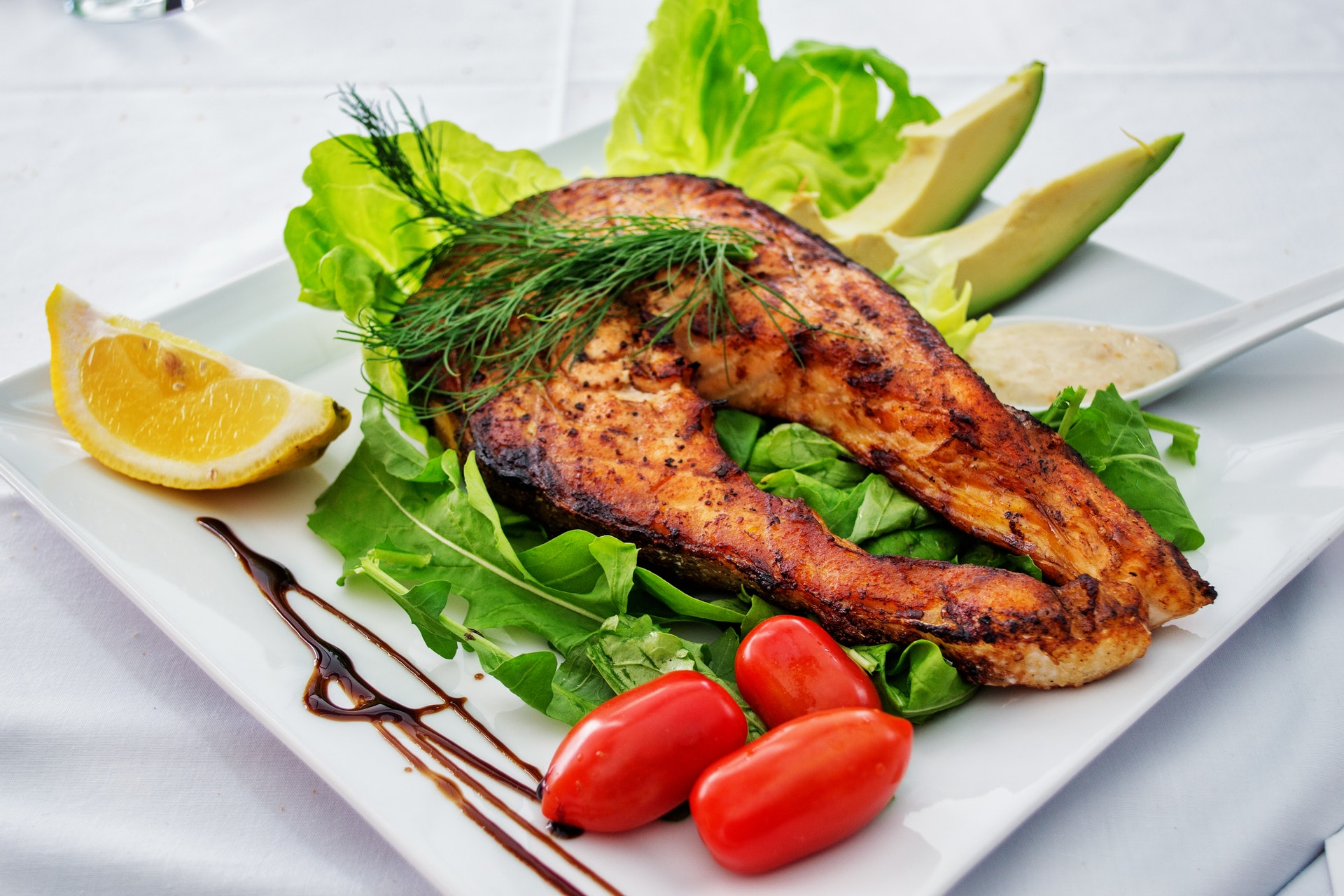
One of the best hacks for losing weight when eating out is to make fish your go-to dish. The reason why is because restaurants tend not to offer huge portions of fish. That means that you’ll get a very appropriate cut of a delicious fish that is rich in healthy fats, omega-3 fatty acids, vitamin D, and vitamin B12. The flavor and richness of fish are likely to leave you feeling too satisfied to overindulge in side dishes.

Photo by Dana Tentis from Pexels

Tip #10 Rein In Your Sweet Tooth

Finally, don’t let your sweet tooth derail all of the effort that you have put into eating healthy while dining out. Instead, wait until you get home and end your meal with something healthier. Most restaurant desserts are enormous and easily more than one serving. If you decide to order dessert, share it with one of your friends or family members.

What’s the Best Strategy for How to Lose Weight by Eating Out?

The best strategy for losing weight when eating out may be to eat at restaurants only occasionally. For many people, eating out is a way to save time. However, there is another option that most people don’t think about — made-to-order, fresh foods. We are talking about foods that are prepared fresh using healthy ingredients like ginger soy chicken breast. These meals rival those you’ll find in restaurants, as they are prepared fresh.

Choosing meal delivery is a great option that is between relying on restaurant meals and cooking everything yourself. Many people use professional meal prep services to have healthy meals waiting in the fridge.

There’s another reason why you might want to focus on planning meals ahead of time instead of walking into a restaurant or takeout place. According to a study conducted by the United States the Department of Agriculture (USDA), each meal eaten at a restaurant adds 134 calories on average to a person’s daily intake. The number of added calories was even higher per day for people who were considered obese. What’s more, eating out was associated with eating nearly a quarter fewer servings of leafy greens, fruits, and whole grains.

The beauty of meal prep is that you can enjoy delicious, restaurant-quality foods without feeling like you’re getting derailed from your plan. When eating out, one problem that’s easy to run into is feeling “trapped” by a menu. Being in a rush means that many people settle for whatever they can get instead of prioritizing nutritional value. The best part is that getting serious with meal prep means that you’re covered for breakfast, lunch, dinner, and snacks without any feelings of deprivation.

Okay, so you know that you should go to the gym. You’ve heard about the many benefits of exercise. New research even suggests that it can even ward off depression. There’s a whole laundry list of reasons to hit the gym. However, sometimes we find that the last thing that we want to do is work out. Despite the money spent on a gym membership thinking it would provide the motivation to hit the treadmill hard every day, we might find that we only set foot inside a couple of times. In fact, many of us can think of a million things we’d rather do, and none involve a treadmill.

Love It or Hate It

If those of us with an unused gym membership exist on one end of the spectrum, on the other end you’ll find those who can’t seem to live without the gym. They talk about how exercise gives them a “Runner’s High.” For them, exercise seems to be addictive. They don’t give being active a second thought. It’s just something they do every day without even thinking about it. You have read dozens of articles on how to develop workout motivation. You’ve tried all of the tips. Yet, nothing is working. So, how come exercise motivation comes so easily for some people and not others?

Most online articles that give advice on workout motivation contain good information. But, they miss the mark when it comes to workout motivation. As someone who has spent years studying motivation and has also been a certified fitness instructor, I truly understand why workout motivation comes easy for some people and not others.

Finding the motivation to work out consistently really comes from making it a part of your daily life. That is the key to getting and staying motivated when it comes to working out.

First, Choose Something You Love

This seems easy enough. But, how many times do you hear people talk about begrudgingly going to the gym like it’s some form of punishment? If you don’t enjoy it, you won’t be motivated to do it. You don’t have to be happy doing it all the time, but it should be something that leaves you feeling good on most days.

There’s tons of advice on exploring new types of fun new activities. You might be told to try pilates or join a workout class. But what one person enjoys might be boring or torturous for the next. Our personalities and interests largely impact the kind of fitness activity that we will enjoy long term.

People who are extroverted may feel at home in a group fitness or dance class, while a person who is introverted may enjoy solitary early morning runs. Whatever it is, it has to be something that you enjoy. You may have to try many different types of movement. The thing is to keep trying until you find something you genuinely enjoy.

Then, Make it Easy

The first piece of the puzzle when it comes to workout motivation is choosing something that you love. The second piece is finding a way to make it easy to do the type of workout you like. You have to incorporate daily movement into your life in a way that is seamless. It must become a part of your daily schedule or routine. This is called automaticity.

Automaticity refers to the idea of doing something automatically, without thinking. It’s like remembering to brush your teeth every day. It’s not hard because you are used to doing it every day.  A research study conducted by fitness giant Les Mills found that automaticity is the key to sticking to a workout routine. In the study, participants were divided into two groups of people. One group was comprised of people who are regular exercisers. They worked out on average 150 minutes per week over the last ten years. The second group consisted of people who rarely worked out. The critical difference between those who worked out regularly and those who didn’t was automaticity. All of the participants, 100 percent in the active group, said that exercise is part of their routine. Among the inactive participants, more than 92 percent said that fitness was NOT a regular part of their routine.

So, how can you make exercise automatic? A part of your daily routine? Here are some tips.

#1 Find A Time that Suits Your Internal Clock 

Some articles suggest working out first thing in the morning. They say that people who work out first thing in the morning are more likely to follow a fitness program — that’s it’s all about finding the willpower to just do it. If you are not a morning person, this simply won’t work for you.

For those who are NOT early birds, advice to wake up early to get in some gym time won’t work. Some people are just genetically programmed to not function at their best early in the morning. There are hundreds of genes that influence whether a person prefers mornings or evenings. Trying to go against your genetics will get you nowhere. You’ll just end up feeling like a failure when you’re unable to pull yourself out of bed for those 5 A.M. workouts. So, identify what times of the day are best for you, whether that’s mornings, lunchtime, or in the evening.

#2 Schedule It

How often have you made plans to go to the gym and canceled at the last minute when something else came up? Schedule your workouts just as you would any other appointment. I use apps like Mindbody and ClassPass, to schedule workouts ahead of time. I’ve found that this makes it much harder to blow off workouts, especially since there often is a cancellation fee associated with not going most of the time.

Putting your workouts into your calendar in this way can give you the motivation that you never knew you had.

#3 Make it Effortless

Contrarily, If you struggle with scheduling your workout sessions during the day and following through, try to do it first thing in the morning regardless of your routine. Make it as easy as possible to work out by removing any obstacles. For example, keep an exercise bike  in your bedroom room you can hop on as soon as you wake up.

​​​#4 Be Prepared

After you have your workouts scheduled, make sure you are prepared with the things that you need. If you are working out at home, pick up any equipment you need for your workouts. If you plan to do yoga after work, make sure you have a yoga mat, towels, and other essentials like an eye pillow in your bag. Cycling to and from work each day? Pack waterproof gear so that you will be ready no matter the weather. Also, pack some healthy snacks for your gym bag to replenish your energy after your workout.

Related article: How Good Nutrition Supports Athletic Performance

#5 Up the Stakes

Another way to ensure that you keep up with your workout routine is to put some money behind it. You can sign up for a subscription to a workout subscription app, like Pelaton or Apple Fitness Plus. This makes it more likely that you will make working out a part of your everyday life.

Photo by Ketut Subiyanto from Pexels

You Are On a Roll, What Now?

Sticking to a workout routine is really about playing the long game. At first, you’ll be motivated and excited. However, it won’t always be this way. It will take months — maybe even years of hard work to make it a part of your life. There will be times when you feel ​​unmotivated, discouraged, or overwhelmed. Here’s how to deal with these feelings.

#1 Cut Yourself Some Slack

There will be days that you won’t be able to get your workout in, even with the best planning. That’s completely fine. Some days, you just won’t be feeling good. Even the most motivated people have days that they don’t want to work out. Avoid reading too much into it. Simply move past it, and get back to your workouts as soon as possible.

#2 Get Back on Track

Everyone falls off track sometimes when it comes to working out. This can happen for various reasons, from schedule conflicts to injuries. During COVID-19, many people who regularly worked out stopped. According to research, physical activity levels dropped significantly after the pandemic struck. Even people who exercised every single day stopped working out.

Keeping up with your daily workouts is a habit. Once you get out of the habit of working out, it’s easy to fall into a rut. The key is to get back into the habit of exercising again as soon as you realize that you have become off track. Don’t wait until the perfect time. Just start.

#3 Pay Attention

When you notice that you are working out more than usual, take a moment to pay attention and think about why. Try to figure out what’s behind your motivation. For instance, perhaps you get more workouts in when you sleep better. Or, perhaps you work out more often when you attend a specific fitness class. Search for your motivation and take actions that support it.

Final Thoughts

The motivation to work out comes from making fitness a daily part of your life. You can’t think of it as punishment. You have to decide to make movement an essential part of your routine. Do that and staying fit will be easy.