
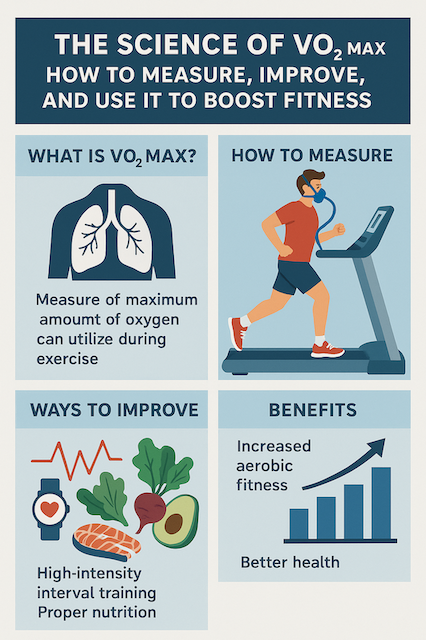
If it seems like VO₂ max is everywhere from your FYP (For You Page) on social media to background chatter at the gym these days, it’s because it is. So, what is VO₂ max? VO₂ max measures how much oxygen your body can use during intense exercise. Why is that important? Your VO₂ is a huge metric of your cardiorespiratory fitness and aerobic endurance. Both are important for fat burn and muscle building—not to mention that VO₂ gives a great benchmark for overall wellness. There’s no need for there to be a mystique around the VO₂ max definition. Come learn how to make this metric your friend for getting in the most empowered shape of your life.
The Science Behind VO₂ Max
VO₂ stands for Volume of Oxygen. Oxygen fuels our muscles, heart, lungs, and endurance—because it’s responsible for energy production. The oxygen in our bodies enables our bodies to generate enough of the ATP (adenosine triphosphate) that essentially serves as the main energy currency exchanged between cells. If we don’t have the oxygen needed for ATP generation, our bodies can’t efficiently use energy. This is where we get slow, sluggish, and exhausted.
When we exercise or do any activity that requires exertion and endurance, the heart and lungs work together to take in more air and pump more blood to deliver more oxygen to our muscles.
With all of this in mind, the VO₂ is the gold standard for cardiovascular fitness because a higher score indicates better physical conditioning and stronger recovery. VO₂ is important even if you don’t aspire to be a gym baddie. The simple truth is that higher VO₂ max is linked to stronger cardiometabolic health and lower mortality risk.
How VO₂ Max Is Measured
Let’s crack the science on how to measure VO₂ max. Traditionally, a VO₂ max test is only done in lab settings with doctors. This usually includes some type of incremental exercise test done on a treadmill or exercise bike while the participant wears a mask for gas analysis. VO₂ max testing is sometimes done in outdoor “field test” environments. In this scenario, the participant is usually running or walking over a set time or distance. Popular options are the 12-minute Cooper test or single-mile Rockport walk test.
More recently, VO₂ max monitoring has become widespread thanks to fitness trackers. Apple, Garmin, and Fitbit all have VO₂ metrics. Smartwatch trackers generally estimate VO₂ each time you record a fast-paced run or brisk walk using a combination of heart-rate monitoring and GPS tracking. While great for getting a general baseline for fitness purposes, smartwatch VO₂ max monitors are not considered as accurate as actual VO₂ testing in a controlled environment with professional equipment.
One study that looked at the validity of wrist-worn activity trackers for estimating VO₂ and energy expenditure found that these devices and apps are most likely not accurate enough to be used for sports or healthcare applications. Researchers behind the study also noted that the potential for performance-specific misjudgments of activity trackers could potentially lead to an increased risk of injury due to overload. Ultimately, these trackers should be viewed as simply “one more tool” for guiding workouts.
What’s a Good VO₂ Max?
It’s hard to throw out a general number. That’s because we look at VO₂ max values by age or athletic status when determining what’s ideal. The number you see for your VO₂ max score represents the maximum volume of oxygen your body uses per minute per kilogram of weight. We can very generically say that a good VO₂ max score is 45 to 55 (mL/kg/min) for men and 38 to 45 (mL/kg/min) for women. Anyone with a score above 50 is generally considered to be in excellent shape. Scores below 30 indicate that your body isn’t efficiently using oxygen during workouts. Here’s a breakdown of average VO₂ max range by age and gender:
Women:
- 29 and under: 29 (Poor), 24-30.9 (Fair), 31-38.9 (Average), 39-48.9 (Good), 49 (Excellent)
- 30-39: 19.9 (Poor), 20-27.9 (Fair), 28-36.9 (Average), 37-44.9 (Good), 45 (Excellent)
- 40-49: 16.9 (Poor), 17-24.9 (Fair), 25-34.9 (Average), 35-41.9 (Good), 42 (Excellent)
- 50-59: 14.9 (Poor), 15-21.9 (Fair), 22-33.9 (Average), 34-39.9 (Good), 40 (Excellent)
- 60-69: 12.9 (Poor), 13-2.09 (Fair), 21-32.9 (Average), 33-36.9 (Good), 37 (Excellent)
Men:
- 29 and under: 24.9 (Poor), 25-33.9 (Fair), 24-43.9 (Average), 44-52.9 (Good), 53 (Excellent)
- 30-39: 22.9 (Poor), 23-30.9 (Fair), 41-41.9 (Average), 42-49.9 (Good), 50 (Excellent)
- 40-49: 19.9 (Poor), 20-26.9 (Fair), 27-38.9 (Average), 39-44.9 (Good), 45 (Excellent)
- 50-59: 17.9 (Poor), 18-24.9 (Fair), 25-37.9 (Average), 36-42.9 (Good), 43 (Excellent)
- 60-69: 15.9 (Poor), 16-22.9 (Fair), 23-35.9 (Average), 36-40.9 (Good), 41 (Excellent)
Why VO₂ Max Matters
VO₂ is a key health indicator. Focusing on your VO₂ max is important if you’re striving for better metabolic health and longevity. A good VO₂ max can mean improved stamina, better overall fitness levels, and reduced cardiovascular risk. It can also simply help you to enjoy better athletic performance for running, cycling, swimming, and more. At Local Foodz, we offer a variety of customizable meal plans that support fitness and recovery by fueling muscles.
How to Improve VO₂ Max
You’re not stuck if your VO₂ max number is low. There’s plenty the average person can do to increase fitness levels and help their bodies optimize oxygen output.
- High-intensity interval training (HIIT) is one of the best ways to improve your VO₂ max. A 2023 study shows that VO₂ max was significantly increased after HIIT compared to regular workouts. Additionally, Zone 2 cardio (steady-state endurance) is also great for boosting VO₂ max if you’re looking for a more moderate-intensity path to fitness. Performed at a consistent pace, Zone 2 cardio generally involves keeping a pace that’s 60% to 70% of your max heart rate. It’s ideal for both burning fat and building endurance.
- Nutrition also matters for VO₂. Curated meal plans full of endurance-building foods that help to support oxygen transport to your muscles can help you eat your way to better performance. Think of iron-rich and high-protein foods, foods with plenty of high B vitamins, and foods with omega-3 fatty acids. Some of the best foods for improving VO₂ max scores include leafy greens, beets, sweet potatoes, fish, nuts, and eggs.
- Consistency is key. Consider the path to an optimal VO₂ score as a long cross-country race instead of a sprint. Changing your VO₂ max score should be done with a method geared toward progressive overload—meaning you need to gradually increase the demand you place on your muscle. Doing too much too soon can lead to poor recovery or muscle injury. Being consistent with a muscle-building diet plan and exercise routine can get you to your ideal VO₂ max score without pain.
Myths and Misconceptions About VO₂ Max
- You’re VO₂ max number doesn’t matter unless you’re an athlete. You may hear some people try to tell you this. It’s true that athletes use their VO₂ max scores as part of training. However, that doesn’t mean the average person aspiring for fitness can’t also use this important wellness indicator to shape their goals—and enjoy better, more fulfilling workouts and results.
- You need the highest score possible. You also shouldn’t necessarily listen to people who are obsessed with getting the highest VO₂ max score possible. This is an individual benchmark. Talk to your doctor about reaching the best score based on your personal wellness goals.
- Finally, some people will swear that you cannot shift your VO₂ max number with exercise and diet. That simply isn’t true. While your personal metabolic baseline may determine the amount of shifting possible, we can all improve this fluid metric with a little work.
How to Track Progress
The easiest way to start tracking your VO₂ max is with a wearable device or app. Get your full health spectrum in front of your eyes by combining VO₂ max with other metrics like heart rate, lactate threshold, and rate of perceived exertion (RPE).
When to Talk to a Professional About Your VO₂ Max
Consider a formal VO₂ test if you’re struggling with energy and endurance. For example, if you’re gasping for breath during workouts. Some people also get professional testing done before embarking on big fitness goals like running marathons or beginning intensive weight-training plans.
Give yourself grace by remembering that VO₂ max numbers drop naturally with age. However, a steep or very rapid decline can indicate a cardiovascular or respiratory issue. Let your doctor know if your numbers change dramatically without a known cause. Remember that reversible factors like dehydration, poor sleep, and recent illness can all cause VO₂ max to dip.
Key Takeaways
VO₂ max measures how much oxygen your body consumes while exercising. While commonly measured by athletes seeking to maximize endurance and recovery, VO₂ max is an important fitness and wellness metric for everyone. Oxygen-promoting exercises and foods can help you boost VO₂ levels.