
Category

Uncategorized

Category

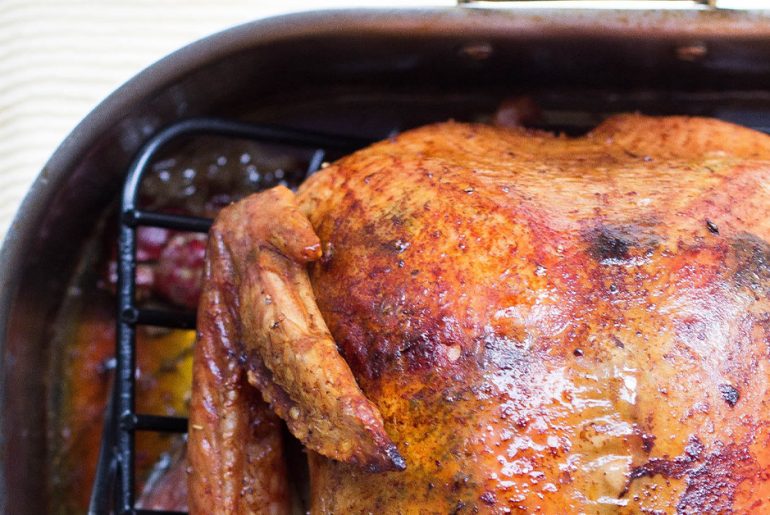
Overstuffed is only good when we’re talking about the turkey… not our stomachs. Follow these 10 tips to eating healthier and lighter during this feast-worthy holiday.

Festive gatherings filled with friends, family, and food. That’s what often comes to mind when thinking of Thanksgiving day. But, for some, this day carries a lot of anxiety.

“How will I maintain my healthy lifestyle throughout the holidays?”
“There are never any healthy meals at dinner. I just shouldn’t go this year…”
“What’s the use? My diet is ruined, I might as well just eat whatever I want.”

Pssst… we have a secret for you: THANKSGIVING DOESN’T HAVE TO BE THIS WAY! Okay, sorry. That was a bit aggressive. But, it’s true! With the right game plan, you can conquer this holiday guilt-free and without restrictions. Thanksgiving won’t derail your health goals, and we’ll show you how.

Why We Fall Off the Wagon Every Thanksgiving
Millions of Americans will gain a pound over the holidays, despite a well-thought-out diet plan held throughout the year. The reason these diets fail around Thanksgiving is that they address the wrong problem. It’s not your willpower.

It’s the environmental cues we surround ourselves with that trigger our appetite and food habits. Thanksgiving, especially, combines some of the worst environmental cues for overeating. There is plenty of food easily accessible, lots of company to share the moment, and an increasing amount of variety. Your willpower is easily overwhelmed by all of these cues to eat.

How to Combat the Holiday Food Guilt
When it comes to sticking to your nutrition plan and keeping the holidays as healthy as possible, it’s important to alter the environmental cues around you. Now, this doesn’t mean avoiding get-togethers with family and friends or restricting yourself by any means. All we encourage you to do this holiday is to follow these 10 guidelines as best you can:

1. Keep It Squeaky Clean Leading Up Dinner

Thanksgiving week can often be filled with tumultuous treats and recipe sampling leading up to the big day. But, it’s important to keep food quality high during this time. Focus on crushing protein and veggie-heavy meals throughout the week as well as the day of.

While many individuals skip meals on Thanksgiving day in preparation for the feast, sticking to small, satisfying meals will help curb your appetite for dinnertime. Start your day with eggs and toast or a bowl of whole-grain cereal and low-fat milk to avoid overindulging later that day.

2. Offer Up Your Cooking Skills

Walking into someone else’s party without your own food is asking for hidden calories. Instead, offer to meal prep for the occasion, bringing healthy side dishes filled with veggies, fruits, or proteins. These types of foods are always lacking around this holiday, so switch it up and provide a healthy option for you and others! This also gives you the opportunity to make some smart swaps with foods traditionally high in calories.

For example, mashed potatoes! While we love these tasty spuds, the appeal is more about the lush, smooth texture than any standout flavor… as well as a vehicle for gravy. However, you can swap out the mashed taters with pureed cauliflower instead. This cruciferous vegetable has six times the Vitamin C, twice the fiber, and fewer calories than the standard spud.

Not a master chef? We can help! Choose from any of our a la carte options to ensure there’s a healthy, tasty side dish ready for you at dinner.

3. Fill Up on Fiber & Water

Eating a nutritious meal with protein and fiber before you arrive takes the edge off your appetite and allows you to be more discriminating in your food and beverage choices. However, it doesn’t have to stop there. Try to fill half your plate with non-starchy veggies come feast time.

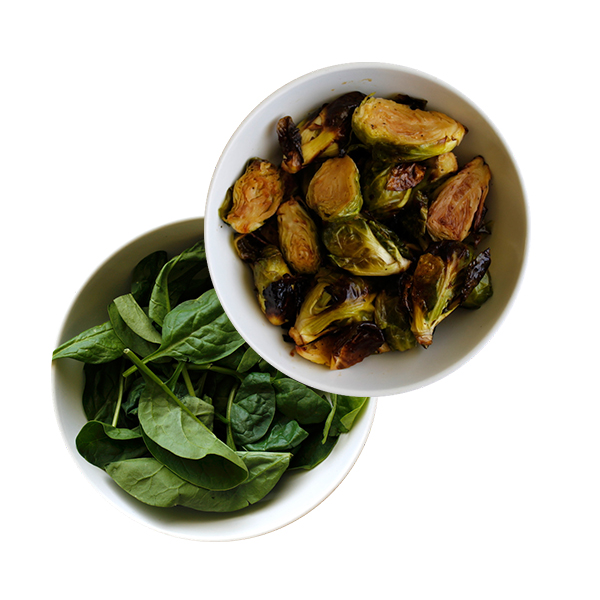
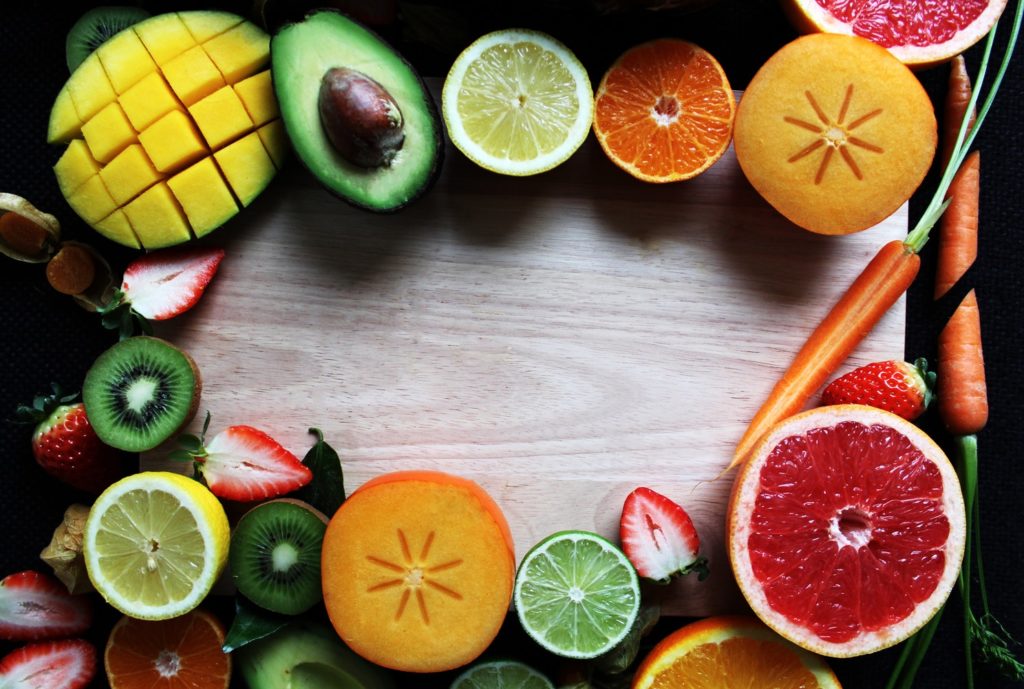
This may include brussels sprouts, green beans, carrots, bell peppers, or a green salad. Aim to make your plate as colorful as possible. As well, sipping on water throughout the day will curb cravings and keep you full in-between meals!

4. Limit the Bubbly

These fun gatherings often call for a splash of liquid courage. But this doesn’t have to derail your healthy eating habits. Alcohol can lower blood sugar and those alcohol calories that can add up quickly.

If you do have alcohol this Thanksgiving, have it with food. Also, set a goal to minimize any boozy drinks to about 2-3 servings. In between drinks, sip on some refreshing La Croix, Zevia, Kombucha, or water.

5. Stick to Your Routine

Just because it’s a holiday doesn’t mean your routine has to change. Crush some breakfast, hit a workout, or take a time-out to recharge from family and friends. If you love journaling in the morning or taking a mid-afternoon walk, DO IT! Consistency is key to keeping your healthy habits alive and well during the holiday.

As well, try to keep your food routine the same, if not similar. Eat close to your usual times to keep your blood sugar steady. If your meal is served later than normal, eat a small snack at your usual mealtime and eat a little less when dinner is served.

6. Police Your Portions

Thanksgiving tables are bountiful and beautiful displays of traditional family favorites. But before you let Aunt Irma stack your plate high with “a little bit of everything,” scout the buffet table to decide what you really want to treat yourself to. Then select reasonable-sized portions of foods you cannot live without.

If you are still hungry after your first plate, head back for seconds to sample a bit more. Start conservative and add as your stomach sees fit.

7. Feast on Your Favorites

No food is on the naughty list. Don’t waste your calories on foods that you can have all year long. Choose the dishes you really love and can’t get any other time of year. Fill half your plate with small portions of holiday favorites and the other half with healthy veggie options.

Or if appetizers are your thing, grab a plate and fill up. No sense saving yourself for the main meal if turkey and trimmings leave you cold. Don’t feel obligated to eat specific foods, regardless if they’re deemed “bad” or “good.”

8. Get Physical… Physical

Getting physical and staying active means many things to many people. But when it comes to the holiday season, especially Thanksgiving, fitness doesn’t have to be so strict. Make it a family adventure! Take the kids for a walk early in the day or after dinner. It is a wonderful way to get some physical activity in a fun and social way.

While you may burn off the calories from your future meal, there are other benefits to being active. Exercising before a meal puts you in a positive mindset with an eye toward health, and exercising afterward can help banish that uncomfortably full feeling. Find which option works best for you and your schedule!

9. Savor It Slowly

Ever sit down for a delicious meal only for it to be over in the blink of an eye? You weren’t able to truly appreciate everything that went into the meal. This often leaves you unsatisfied and over-stuffed.

Eating slowly, putting your fork down between bites, and tasting each mouthful is one of the easiest ways to enjoy your meal and feel satisfied. Choosing whole grains, fruits, vegetables, broth-based soups, salads, and other foods with lots of water and fiber will also add to the feeling of fullness.

10. Enjoy the Day with Friends and Family

Thanksgiving is not just about the delicious bounty of food. It’s a time to celebrate relationships with family and friends. The main event should be socializing and spending quality time together. Even if you slip up during this time, you can easily get right back to healthy eating with your next meal.

The most important thing about this holiday is being able to enjoy it with loved ones instead of stressing over what the scale might say the next day. Remember Thanksgiving is a holi-DAY, not a holi-WEEK or holi-YEAR. Become aware of your environment and adjust your habits to conquer the day successfully!
We are constantly exposed to germs like viruses, bacteria, fungi, and toxins that can cause diseases and infections. With an ongoing pandemic, the risk is even higher and the focus to stay healthy and reduce our chances of getting sick has never been more important. Luckily for us, nature has equipped our bodies with natural defense mechanisms that normally kick in to protect us in the event that one of these pathogens attack us. Our immune system, though strong and capable of handling a lot of foreign invaders, works best when it’s boosted naturally with the right minerals and vitamins often found in our foods. Since all foods are not created equal, certain foods are considered superfoods because even in small portions, they contain just the right amount of nutrients and vitamins to boost our immune system naturally.  Here are seven superfoods that you should consider adding to your list of immune-boosting foods: 

1.   Fish

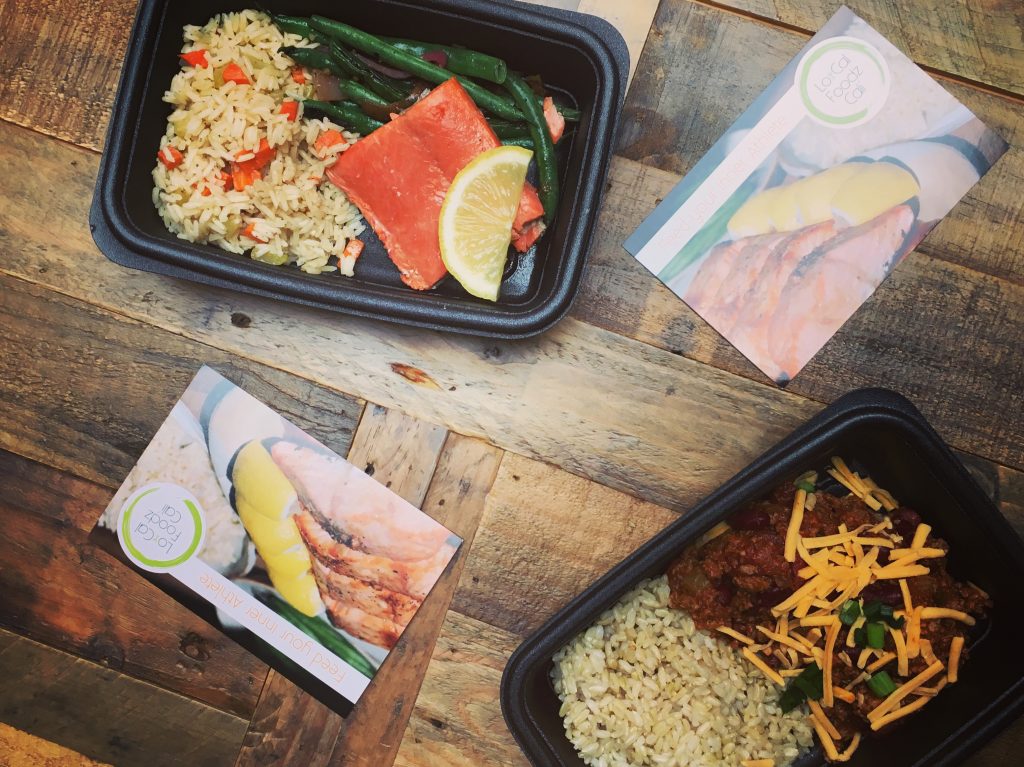
Easy ready to enjoy meals

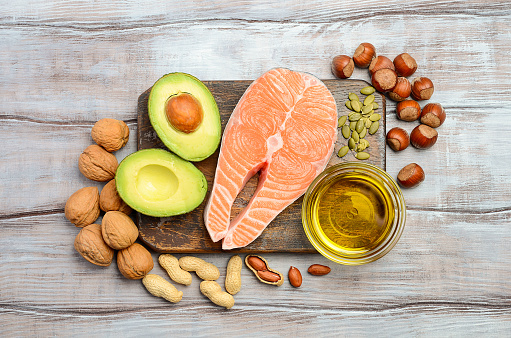
Fish, including salmon is delicious, light, and a great source for healthy protein. Fish also contains omega-3 fatty acids which is one of the most scientifically-studied nutrients that has so many benefits for our body. Fish has not only been shown to only boost our immune system but can also improve sleep, help fight anxiety and depression, promote a healthy heart, improve eye health, prevent certain cancers, improve bone and joint health, and nourish our skin. Most fish have a ton of omega-3 but if you’re trying to get the best for your buck, then salmon should top your list of foods high in omega-3. 

2.   Leafy Greens

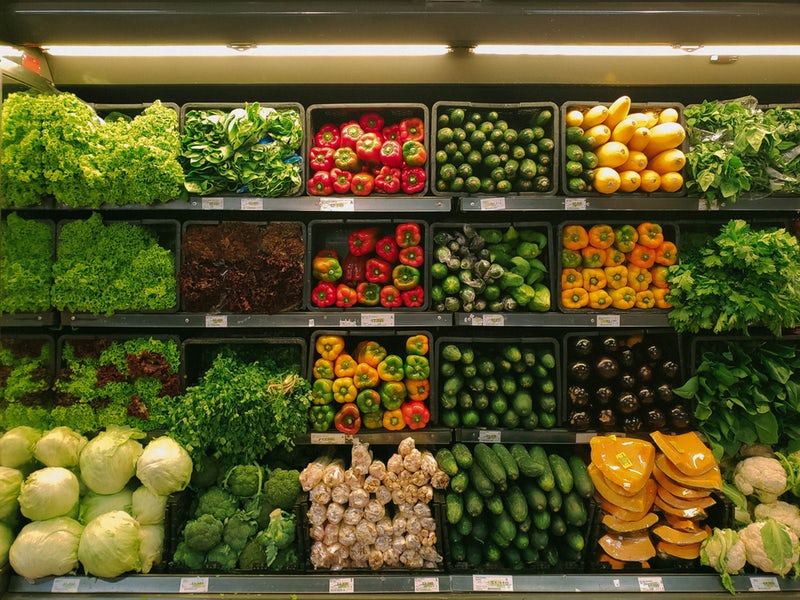
Leafy green vegetables are not only low in calories and high on fiber, they are also rich in vitamins and nutrients that play a critical role in keeping our immune system functioning at a higher capacity. Leafy greens like spinach, kale, romaine lettuce, arugula, and turnip contain minerals that are great for improving our cognition, preventing certain cancers, reducing our risk of heart disease, reducing stress, preventing abnormalities in developing babies, and reducing inflammation to boost our immunity. Spinach for instance packs a lot of antioxidants that boost our immune system to help our body fight germs and other opportunistic infections. It is also high in vitamin C, a vitamin that is essential in boosting our immunity and reducing the risk of infection from cold and related viruses.

All leafy and colorful vegetables to your diet for numerous benefits

3.   Yogurt

You may already know that yogurt is packed with the right nutrients for our body. Look for yogurts with live and active cultures when possible as these cultures can help keep your body balanced to improve immunity and reduce risk of infections. Yogurt also has a lot of vitamin D which is not only great for bone health but is also good for improving our immune system. According to the National Institute of Health, low levels of vitamin D is a risk factor for increased infections with viruses such as cold and flu. So, add yogurt to your daily diet to boost your immune system especially during the COVID-19 pandemic and flu months.

4.   Nuts

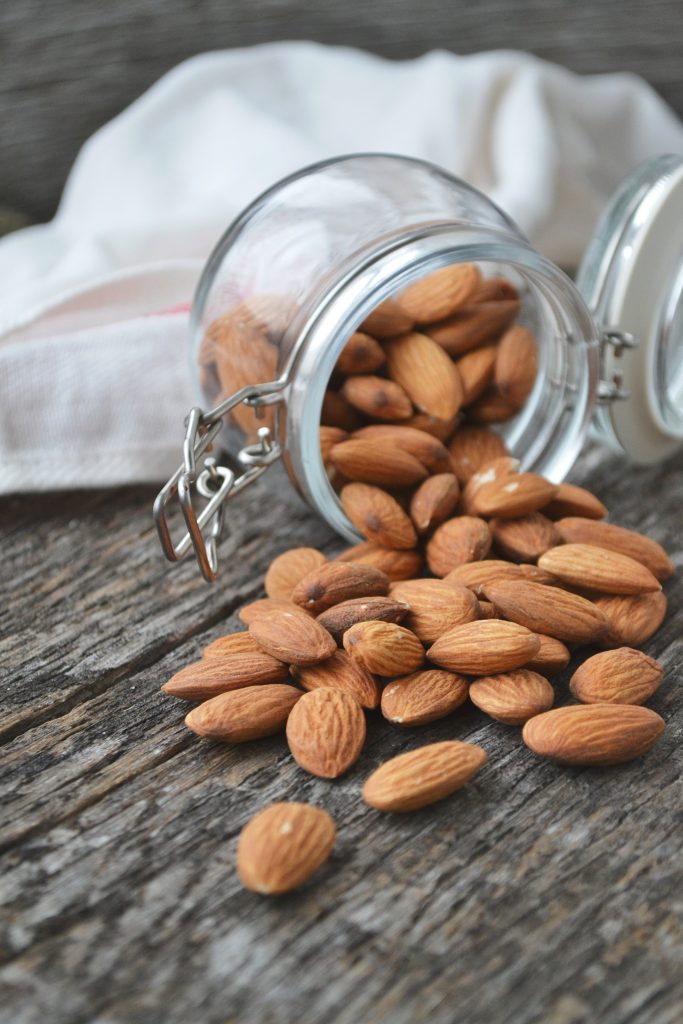
Nuts like almonds, cashews, and walnuts contain a lot of vitamin E, an antioxidant which has been shown to significantly improve and boost our immune system. Since vitamin E is a powerful antioxidant that helps our body get rid of toxic byproducts of our metabolism, a good healthy serving of nuts rich in vitamin E can reduce the risk of chronic diseases and certain cancers, as well as improve and slow down the aging process. Vitamin E also enhances our body’s defense mechanisms, boosting our immune system to protect us from several infectious diseases like cold, pneumonia, flu, and related viruses. 

5.   Green Cruciferous Veggies

Green cruciferous veggies like broccoli, broccoli sprouts, and Bok choy are rich in fiber, but are also packed with vitamin A, C, E and many other essential nutrients like zinc and selenium that have been scientifically proven to boost our immune system and protect us from harmful germs and pathogens. If you have to have one superfood in your daily diet, consider making broccoli your food of choice. Broccoli is so powerful that just half a cup of steamed broccoli provides almost 85% of our reference daily intake (RDI) of vitamin C, a vitamin well-known for boosting our immunity. 

6.   Berries

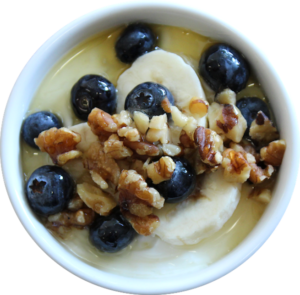
Berries like blueberries, strawberries, raspberries, goji berries, grapes and acai berries are colorful, sweet, and sometimes sour. However, the benefits of berries go beyond their great taste and eye appeal because they are nutritionally dense and contain extremely powerful nutrients like fiber, vitamin A, vitamin C, vitamin K, and several many antioxidants. Aside from their proven role in boosting our immune system due to their high content of antioxidants, berries also improve our heart health,  reduce cholesterol, maintain our weight, and prevent diabetes amongst many other benefits. 

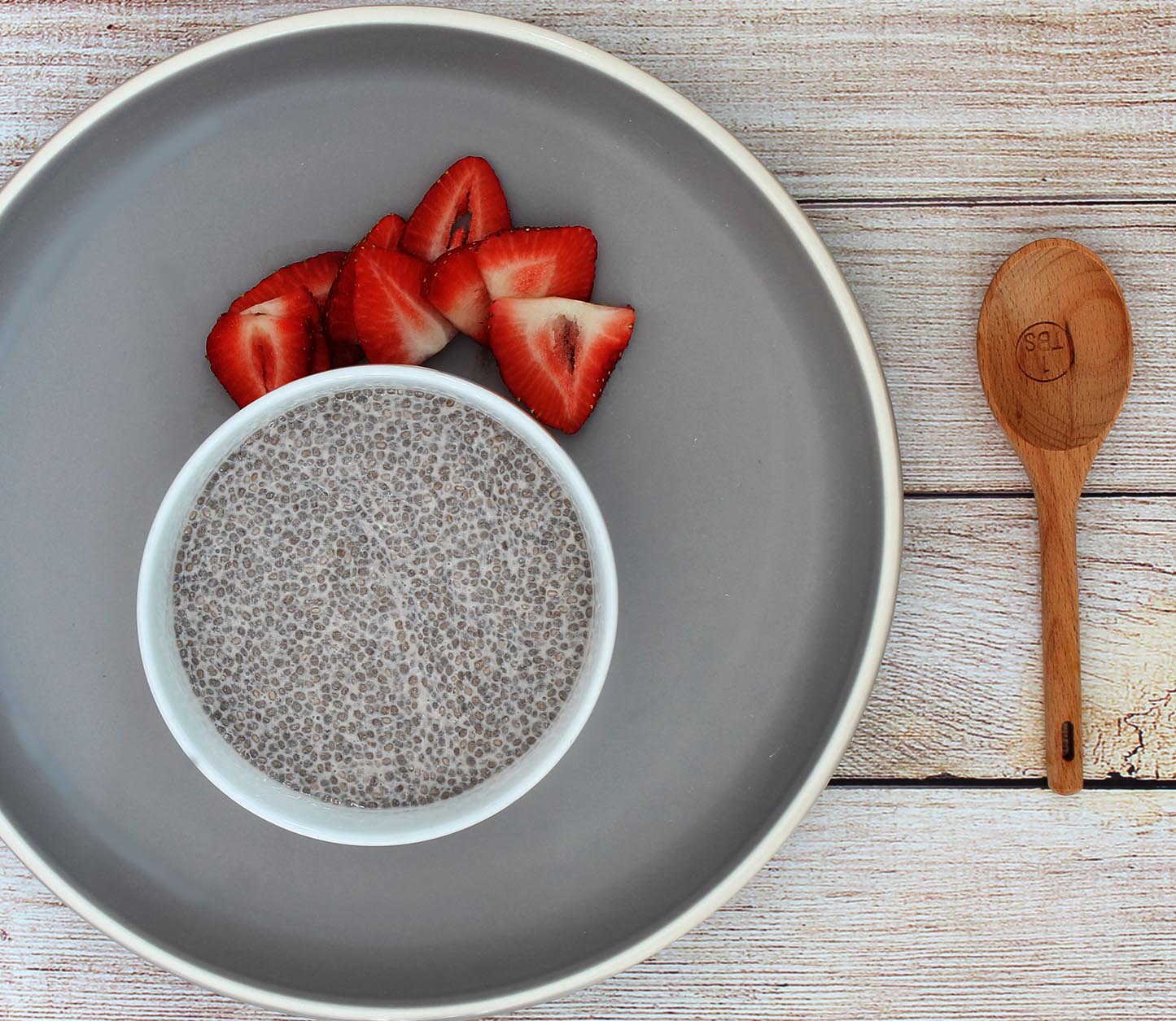
Try our organic strawberry chia pudding with added fruits!

7.   Whole Grains (Quinoa, Brown Rice, Oatmeal)

Whole grains like quinoa, brown rice, and whole grain oatmeal are rich in fiber, vitamins, protein, minerals, and antioxidants. They are known to lower the risk for diabetes, reduce the risk for certain cancers, support a healthy heart, and support healthy digestion. Since whole grains contain a good mix of antioxidant, vitamins, and minerals including zinc, iron, and the B vitamins, they play a major role as immune boosters to improve our immune system and reduce our risks of getting infections. Celiac patients and those with gluten sensitivity should continue to avoid whole grain but try other superfood options where possible. 

There are many superfoods that can boost and improve our immune system and adding these seven food types to your diet, when possible, can go a long way with helping your overall well-being while keeping you safer and healthier. 

Happy New Year! 

Now that we have enjoyed some eggnog, pecan pie and sipped on a few too many cocktails, it’s time to start thinking about how to nourish ourselves for 2019!

This year we are excited to offer a series of helpful nutrition tips featuring local holistic nutritionist, Anna Frumkin. 

Below are (3) tips that Anna recommends to get yourself back into the game for the new year!

#1: Anna, how do I start working out again?

Now you may be new to working out or maybe you decided to take time off during the holiday season. My biggest tip when it comes to getting back in the workout game is to use the power of your mind.

Now, before you think I am getting to “woo-woo”, hear me out for a moment. Our minds think in pictures, and the simple act of you visualizing how you will feel 15 minutes after a workout can really help get you motivated. An example could be “ I want to go to that yoga class”, visualize how much mental clarity and how refreshed you will feel after that workout.

Just doing this one thing can shift you completely. Another tip my nutrition clients love is to schedule in your workouts just as you would your doctor or dentist appointments. Part of creating a new habit is all about repetition and I want you to think of your workouts as brushing your teeth. Do not let your mind take over- just get that body moving!

Your brain + body will thank you, I promise! 🙂


2. Anna, how do I get in my #nourishing3?

At Nourish with Anna I teach my rockstar clients that in order for you to achieve their specific health + wellness goals, it is imperative that we have accountability, treat every individual uniquely since we all have different needs/ health ailments, as well as balance our blood sugar in order to increase our energy + feel satiated throughout the day.

To do this, we want to follow the #nourishing3™️ . This is a formula I came up with after working with clients. Make sure every plate consist of healthy fats, protein + complex carbohydrates.

Below are some examples to put on your plate (ratios are unique to every body type and to an individual’s specific goal).

1.-Protein ( aids in curbing sugar + simple carb cravings) 56 grams per day for the average sedentary man + 46 grams per day for the average sedentary woman. Examples are: Chicken, fish, beef, lamb

2. -Healthy fats (Keep you feeling satiated) anywhere between 44 grams to 77 grams. Examples are: Avocado, Eggs, Fish, Chia Seeds

3. -Complex Carbohydrates (Complex carbs keep you full longer  + keep blood sugar levels steady) 225 and 325 grams of carbohydrates a day. Examples are: Sweet Potato, Oats, Quinoa, your fav vegetables


3. Anna, how do I stop falling off the wagon?

This is a great question!

What I want you all to practice doing mentally is to STOP thinking of nourishing yourself and moving your body as being on or off any wagon.

Eating delicious nourishing foods and moving your body is a gift you give to yourself. It is ultimate self-care as well as the best health insurance you can give to your body.

Watch your self-talk the next couple of weeks. Instead of saying “ I should go to the gym”, replace it with “ I GET to move my body and feel stronger! Also, instead of saying “ healthy food is boring” start saying “ I LOVE nourishing my body with foods that taste delicious + are great for me! 🙂


Now, I know that starting on a path to wellness can be overwhelming.

This is why I have taken 20% off of all of my nutrition programs just for you! Learn how to eat for your unique body since nutrition is not one size fits all and everyone has different needs.

Whether you are looking to lose weight, heal digestive issues, or have a better relationship with food, I am here for you. Sign up for a complimentary call here to feel + look your best in 2019! 😉


Your Nutritionist,

Anna Frumkin N.C.